
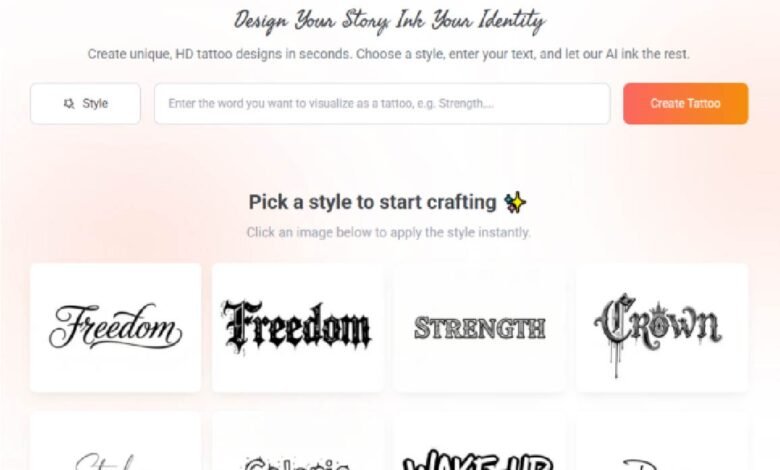
A signature is the most personal version of a name. It’s not just letters — it’s personality expressed through handwriting.…
Read More »Tech
WordPress is a favorite blogging tool of mine and I share tips and tricks for using WordPress here.
Imagine it is 2:00 PM on a Tuesday. Your team is in full swing, orders are processing, and deadlines are…
Read More »
Do you often feel tired from making too many decisions every day as a leader? Decision fatigue is real, and…
Read More »
Introduction Digital technology frameworks are created to deliver a connected and efficient experience where everything feels smooth and well-organized. These…
Read More »
If you’ve ever worked in HR at a growing company, you know the feeling. The employee count keeps climbing. The…
Read More »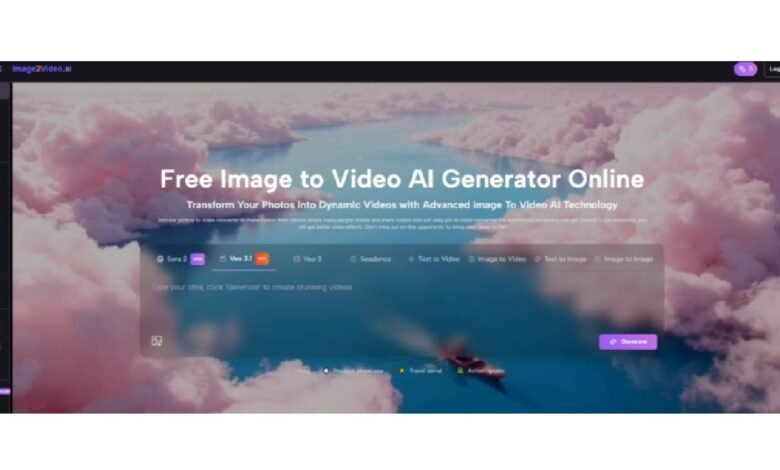
The image-to-video category has matured enough that a simple list of model names no longer tells you much. What matters…
Read More »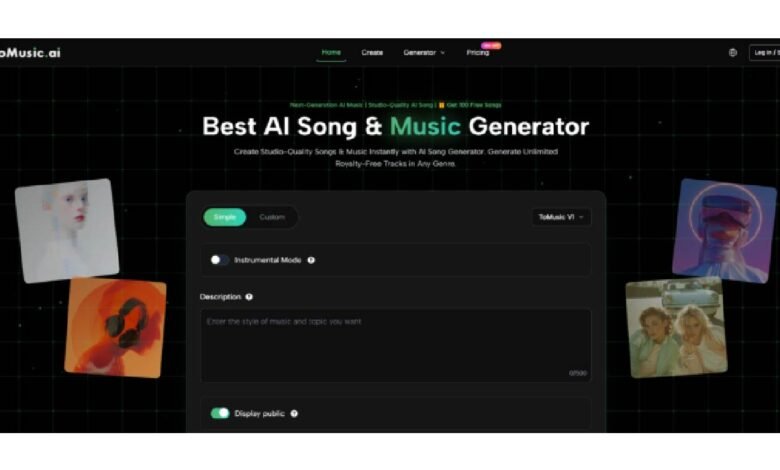
The rise of music AI has created a strange new problem for creators: there are now enough tools to generate…
Read More »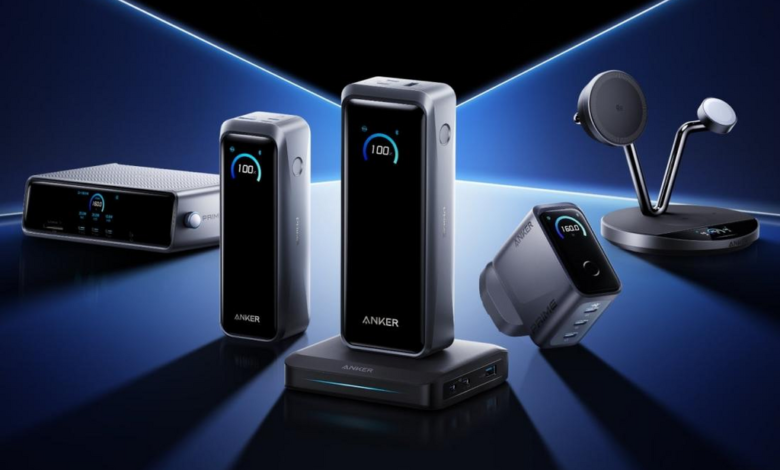
Power banks keep phones, tablets, and laptops alive when outlets are out of reach. But with so many models, capacities,…
Read More »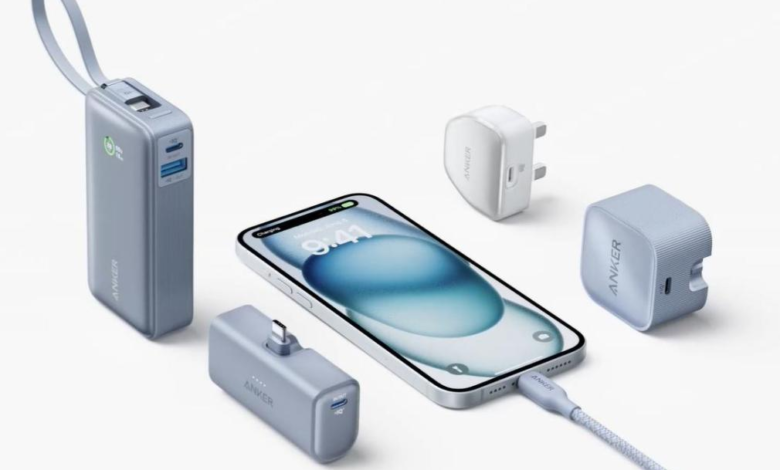
USB-C chargers now power phones, tablets, laptops, earbuds, and even some monitors. Users face a wall of specs: watts, volts,…
Read More »
Price optimization has become one of the most critical capabilities for grocery retailers operating in increasingly competitive and margin-sensitive markets.…
Read More »