

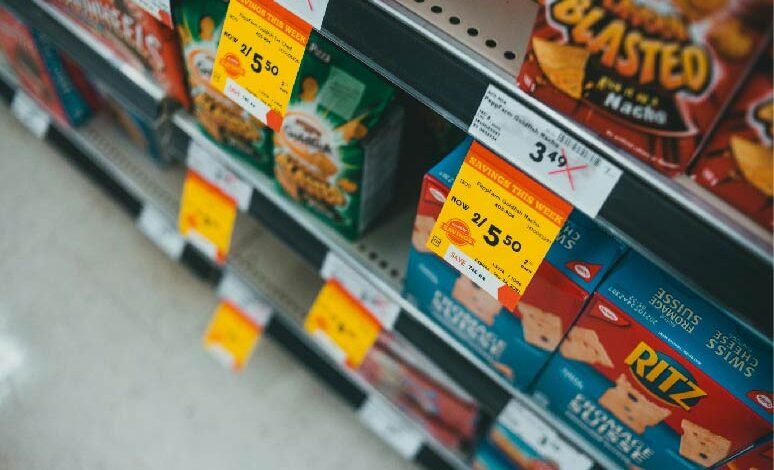
Price optimization has become one of the most critical capabilities for grocery retailers operating in increasingly competitive and margin-sensitive markets. While pricing has always played a central role in retail performance, the growing complexity of assortments, dynamic demand patterns, and real-time competitive pressure has made traditional pricing approaches insufficient.
Modern grocery retailers manage tens of thousands of SKUs across multiple categories, each with different elasticity profiles, substitution effects, and promotional sensitivities. Without advanced tools, pricing decisions often rely on simplified rules or historical assumptions that fail to capture real-world demand behavior.
According to McKinsey, many retailers still underestimate the value of coordinating pricing and promotions, even though a more advanced analytics approach can significantly improve decision-making.
TL;DR
Price optimization is essential for grocery retailers aiming to remain competitive while protecting margins. However, traditional pricing approaches often fail to account for demand elasticity, competitive dynamics, and complex product relationships.
Top price optimization software solutions for grocery retailers in 2026 include:
- Yieldigo – AI-driven pricing and promotion optimization platform for grocery retail
- Blue Yonder – end-to-end retail planning and pricing optimization suite
- Revionics – advanced retail pricing optimization platform focused on demand science
- Pricefx – configurable pricing platform for enterprise retailers
- Competera – AI-powered pricing platform for competitive positioning
These platforms enable retailers to move from reactive pricing decisions to proactive, data-driven strategies that maximize both revenue and margin performance.
Why Trust Our Software Reviews?
Our reviews focus specifically on enterprise-grade retail technologies designed for complex grocery and FMCG environments. We evaluate solutions based on their ability to handle large assortments, dynamic pricing requirements, and advanced analytical needs.
In addition to our internal evaluation, we also analyze external sources such as customer feedback and independent review platforms. We review publicly available insights from platforms like G2 and Trustpilot, as well as user testimonials and case studies, to better understand real-world performance and user satisfaction.
We assess platforms across several important dimensions:
- Retail-specific capabilities. Solutions must be designed for high-SKU environments with frequent pricing changes and complex category interactions. Generic pricing tools often lack the depth required for grocery retail operations.
- AI and forecasting sophistication. We prioritize platforms that use machine learning to model demand elasticity, forecast sales, and simulate pricing scenarios. These capabilities are critical for making accurate pricing decisions.
- Integration with retail systems. Effective pricing tools must integrate seamlessly with existing systems such as ERP, promotion planning, and inventory management platforms.
- Scalability and performance. Enterprise grocery retailers require solutions that can process large datasets and deliver insights quickly across thousands of products.
- Customer feedback and market validation. We consider user reviews, ratings, and feedback from platforms like G2 and Trustpilot to evaluate how solutions perform in real-world environments. This helps ensure our recommendations reflect both technical capabilities and user experience.
How We Evaluated Price Optimization Software for 2026
To identify the most effective price optimization platforms, we evaluated each solution based on its ability to address real-world retail challenges and deliver actionable insights.
We focused on several core areas including optimization accuracy, demand forecasting capabilities, integration flexibility, and scalability. Platforms were also assessed based on their usability and ability to support decision-making across pricing and category management teams.
In addition to technical evaluation, we also reviewed external validation sources such as customer reviews, industry feedback, and ratings on platforms like G2 and Trustpilot. These insights help us better understand how each platform performs in real-world retail environments.
Key Evaluation Criteria:
- Price Optimization Capabilities. We evaluated how effectively each platform determines optimal price points using advanced algorithms. This includes the ability to analyze demand elasticity, competitive pricing, and historical sales performance.
- Demand Forecasting Accuracy. Accurate forecasting is essential for understanding how price changes impact demand. Platforms must be able to model different scenarios and predict outcomes across product categories.
- Inventory and Pricing Alignment. Strong solutions connect pricing strategies with inventory levels, helping retailers optimize sell-through and reduce excess stock. This alignment ensures pricing decisions support broader operational goals.
- Integration and Ecosystem Compatibility. Platforms must integrate with existing retail systems to ensure consistent data flow and operational efficiency. This includes compatibility with pricing, promotion, and supply chain tools.
- Enterprise Scalability. We prioritized solutions capable of handling large-scale operations with thousands of SKUs and complex pricing scenarios. Performance and reliability at scale are critical for enterprise retailers.
Best Price Optimization Software for Grocery Retailers in 2026
Yieldigo – Best for AI-driven price optimization in grocery retail
What It Is?
Yieldigo is an advanced AI-powered retail optimization platform designed specifically for grocery and FMCG retailers. The platform focuses on price optimization, promotion planning, and markdown strategies, enabling retailers to make data-driven decisions across large product assortments.
Unlike traditional pricing tools that rely on static rules, Yieldigo uses machine learning models to analyze demand elasticity, cross-product relationships, and customer behavior. This allows retailers to understand how pricing decisions affect not only individual products but entire categories and shopping baskets.
The platform enables retailers to simulate pricing scenarios and evaluate their impact on revenue, margin, and sell-through. By combining predictive analytics with optimization algorithms, Yieldigo helps retailers identify pricing strategies that maximize profitability while maintaining competitiveness.
Best For:
Large grocery and FMCG retailers that need to manage complex pricing strategies across extensive assortments and dynamic promotional environments.
Key Capabilities:
- AI-driven price optimization
- Cross-product elasticity modeling
- Scenario simulation and forecasting
- Promotion and pricing alignment
- Category profitability analysis
Strategic Strengths:
Yieldigo stands out due to its deep focus on grocery retail and its ability to model complex product relationships. By incorporating cross-product elasticity and basket analysis, the platform provides a more comprehensive view of pricing impact compared to traditional tools.
Its scenario simulation capabilities enable retailers to move from reactive pricing decisions to proactive strategy planning. This allows teams to evaluate multiple approaches and select the most effective one before execution.
Additionally, Yieldigo’s integration of pricing, promotions, and markdown optimization ensures a unified approach to revenue management. This reduces inefficiencies and helps retailers achieve better alignment across departments.
Considerations:
Yieldigo is primarily designed for grocery and high-SKU retail environments. While this specialization provides strong capabilities for these sectors, retailers in other industries may require different solutions tailored to their specific needs.
Pricing: Enterprise pricing available upon request.
G2 Rating: 4.7 / 5
Blue Yonder – Best for end-to-end retail pricing and supply chain optimization
What It Is?
Blue Yonder is a comprehensive retail optimization platform that combines pricing, demand forecasting, and supply chain management into a unified ecosystem. Designed for large-scale enterprise retailers, the platform provides advanced capabilities for managing pricing strategies alongside inventory and replenishment processes.
The solution leverages artificial intelligence and machine learning to analyze historical sales data, customer demand patterns, and external factors such as seasonality and market trends. By integrating pricing decisions with broader retail operations, Blue Yonder enables organizations to align pricing strategies with supply chain efficiency and inventory availability.
Unlike standalone pricing tools, Blue Yonder offers a holistic approach that connects pricing optimization with planning, forecasting, and execution. This makes it particularly valuable for retailers seeking to optimize performance across multiple operational areas simultaneously.
Best For:
Enterprise grocery retailers that require integrated pricing, forecasting, and supply chain optimization within a single platform.
Key Capabilities:
- Integrated pricing and supply chain optimization
- Advanced demand forecasting
- Promotion and markdown optimization
- Scenario planning and simulation
- Omnichannel pricing management
Strategic Strengths:
Blue Yonder’s primary strength lies in its ability to integrate pricing optimization with broader retail operations. By combining pricing, forecasting, and supply chain capabilities, the platform provides a more comprehensive view of business performance.
This integration enables retailers to make more informed decisions, as pricing strategies are directly connected to inventory levels and demand forecasts. As a result, organizations can reduce stockouts, minimize excess inventory, and improve overall operational efficiency.
Additionally, Blue Yonder’s scalability makes it suitable for large enterprises with complex operations. The platform can handle extensive product assortments and high transaction volumes, ensuring reliable performance at scale.
Considerations:
Due to its broad scope and enterprise-level capabilities, Blue Yonder may require significant implementation effort and resources. Retailers looking for a more focused pricing solution may find the platform’s complexity challenging.
Pricing: Custom enterprise pricing based on business requirements.
G2 Rating: 4.3 / 5
Revionics – Best for demand-driven retail price optimization
What It Is?
Revionics is a retail pricing optimization platform that focuses on demand-driven pricing strategies. The platform uses advanced analytics and machine learning to help retailers understand how price changes influence customer demand and purchasing behavior.
By analyzing large volumes of transactional and competitive data, Revionics provides pricing recommendations that aim to maximize revenue and margin performance. The platform emphasizes the importance of demand science, enabling retailers to move beyond intuition-based pricing decisions.
Revionics also supports category-level optimization, allowing retailers to evaluate pricing strategies in the context of broader assortment performance. This approach ensures that pricing decisions contribute to overall business objectives rather than isolated SKU-level outcomes.
Best For:
Retailers seeking a demand-driven approach to pricing that emphasizes customer behavior and elasticity modeling.
Key Capabilities:
- Demand-based pricing optimization
- Category-level optimization
- Promotion effectiveness analysis
- Automated price recommendations
Strategic Strengths:
Revionics excels in its focus on demand science and its ability to model customer behavior at a granular level. This allows retailers to understand how pricing decisions influence purchasing patterns and adjust strategies accordingly.
The platform’s emphasis on category-level optimization provides a more holistic perspective on pricing. By considering interactions between products, retailers can avoid unintended consequences and improve overall performance.
Additionally, Revionics’ automation capabilities streamline pricing processes, enabling teams to focus on strategic decision-making rather than manual data analysis.
Considerations:
While Revionics offers strong demand-driven pricing capabilities, retailers seeking deeper integration with supply chain or promotion planning systems may need additional solutions.
Pricing: Custom pricing based on retailer size and requirements.
G2 Rating: 4.5 / 5
Pricefx – Best for flexible and configurable pricing optimization
What It Is?
Pricefx is a cloud-based pricing platform designed to provide flexibility and configurability for enterprise retailers. The platform supports a wide range of pricing use cases, including price optimization, discount management, and margin analysis.
Unlike more specialized retail pricing tools, Pricefx offers a highly customizable environment that can be adapted to different business models and industries. This flexibility allows retailers to tailor the platform to their specific pricing strategies and operational requirements.
Pricefx uses advanced analytics and machine learning to generate pricing recommendations and support decision-making. The platform also provides tools for monitoring pricing performance and identifying opportunities for improvement.
Best For:
Retailers that require a highly configurable pricing platform adaptable to different pricing strategies and business models.
Key Capabilities:
- Configurable pricing models
- Advanced analytics and reporting
- Discount and margin management
- Integration capabilities
- AI-driven price recommendations
Strategic Strengths:
Pricefx’s main advantage is its flexibility. The platform can be adapted to different retail environments, making it suitable for organizations with unique pricing requirements.
Its strong analytics capabilities provide valuable insights into pricing performance, helping retailers refine their strategies over time. Additionally, the platform’s integration capabilities ensure compatibility with existing systems.
This combination of flexibility and analytical depth makes Pricefx a versatile solution for enterprise pricing optimization.
Considerations:
The platform’s high level of configurability may require additional setup and customization. Retailers looking for out-of-the-box solutions may need to invest time in implementation.
Pricing: Custom pricing depending on configuration and scale.
G2 Rating: 4.4 / 5
Competera – Best for competitive price positioning and AI-driven pricing intelligence
What It Is?
Competera is an AI-powered pricing platform built to help retailers improve price perception, respond to competitor movements, and make more data-driven pricing decisions across large assortments. The platform focuses on competitive pricing intelligence, demand-aware recommendations, and automation that supports retail pricing teams working in fast-changing markets.
For grocery retailers, Competera can be especially useful where pricing pressure is high and customer sensitivity to everyday shelf prices is significant. Instead of relying on manual competitor checks or static pricing rules, retailers can use Competera to monitor market changes, evaluate pricing gaps, and apply more structured decision-making across categories. The platform is designed to support both strategic and tactical pricing work, helping teams react faster without losing control over margins.
Best For:
Grocery retailers that want to strengthen competitive price positioning, improve price perception, and use AI-supported pricing recommendations in highly dynamic retail environments.
Key Capabilities:
- Competitive price monitoring
- AI-driven pricing recommendations
- Demand elasticity analysis
- Scenario modeling and pricing analytics
- Pricing rules and automation support
Strategic Strengths:
Competera’s strongest advantage is its focus on competitive positioning. In grocery retail, where shoppers compare prices frequently and retailers work hard to maintain a strong price image, this capability can be highly valuable. The platform gives teams better visibility into market dynamics and helps them respond with more confidence.
Considerations:
Competera is particularly strong in competitive pricing intelligence and market-based positioning. Retailers looking for deeper grocery-specific optimization around promotions, markdown lifecycle planning, or cross-product basket effects may need to assess how well it fits those more specialized use cases. The platform is powerful for pricing strategy, but some retailers may still want complementary tools for broader commercial optimization.
Pricing: Custom pricing available upon request.
G2 Rating: 4.7 / 5
What Are the Benefits of Using Price Optimization Software?
Modern price optimization platforms provide retailers with advanced tools to manage pricing more effectively and strategically. Instead of relying on intuition or static rules, retailers can use data-driven insights to guide pricing decisions and improve performance.
Margin Protection
Advanced analytics enable retailers to identify price points that maximize revenue without eroding margins. By understanding demand elasticity and customer sensitivity, businesses can avoid unnecessary discounting and maintain profitability even in competitive markets. This ensures that pricing decisions contribute to long-term financial stability rather than short-term sales spikes.
Improved Sell-Through
Price optimization tools help retailers accelerate product turnover by aligning prices with demand patterns. This is particularly important for perishable goods and seasonal items, where timely sell-through is critical. By optimizing prices, retailers can reduce waste and improve inventory efficiency.
More Precise Demand Stimulation
Instead of applying broad discounts, retailers can target specific products and customer segments. This targeted approach increases the effectiveness of promotions and reduces the risk of over-discounting. As a result, businesses can drive incremental sales more efficiently.
Better Inventory Management
Pricing decisions are closely linked to inventory levels. Optimization platforms help retailers determine when to adjust prices to clear excess stock or prevent stockouts. This alignment improves operational efficiency and reduces carrying costs.
Data-Driven Decision Making
Retailers gain access to detailed analytics and performance metrics that support informed decision-making. By analyzing historical data and forecasting future trends, organizations can continuously refine their pricing strategies and improve results over time.
How to Choose the Right Price Optimization Software for Grocery Retail
Selecting the right price optimization software is a strategic decision that can significantly impact a retailer’s profitability, competitiveness, and operational efficiency. With multiple enterprise solutions available, grocery retailers must evaluate platforms based on their ability to handle real-world complexity rather than just feature lists.
Modern pricing challenges require systems that can process large volumes of data, adapt to changing market conditions, and provide actionable insights. Therefore, the selection process should focus not only on technical capabilities but also on how well the platform aligns with business goals and workflows.
- Retail-Specific Functionality. Grocery retail has unique requirements, including perishable goods, high SKU counts, and frequent promotions. A suitable platform must be specifically designed to handle these complexities rather than relying on generic pricing models. Industry-specific capabilities ensure more accurate recommendations and better alignment with operational needs.
- AI and Forecasting Capabilities. Advanced machine learning models are essential for analyzing demand elasticity and predicting customer behavior. Retailers should prioritize solutions that offer robust forecasting and scenario simulation tools. These capabilities allow teams to evaluate pricing strategies before implementation and reduce decision-making risks.
- Integration with Existing Systems. Pricing optimization tools must integrate seamlessly with ERP, inventory management, and promotion planning systems. Without proper integration, data silos can limit the effectiveness of pricing strategies and create operational inefficiencies.
- Usability and Decision Support. Even the most advanced platform will not deliver value if it is difficult to use. Pricing and category managers need intuitive interfaces, clear analytics, and actionable insights that support day-to-day decision-making.
- Scalability and Performance. Grocery retailers operate at scale, often managing thousands of products and frequent price updates. The platform must be able to process large datasets efficiently and deliver results in real time or near real time.
Key Trends in Price Optimization for Grocery Retailers
As the retail landscape continues to evolve, price optimization software is becoming more sophisticated and deeply integrated into broader business strategies. Understanding emerging trends can help retailers select solutions that remain relevant in the long term.
The future of price optimization is shaped by advances in artificial intelligence, increasing data availability, and the growing importance of omnichannel retail.
One of the most significant trends is the shift toward real-time pricing optimization. Retailers are increasingly moving away from periodic price updates to more dynamic approaches that respond instantly to market changes, competitor actions, and demand fluctuations.
Conclusion
Price optimization has become a critical capability for grocery retailers navigating increasingly complex and competitive markets. With high SKU counts, dynamic demand patterns, and thin margins, traditional pricing approaches are no longer sufficient to deliver consistent results.
Modern price optimization software provides the tools needed to transform pricing from a reactive process into a strategic function. By leveraging advanced analytics, machine learning, and scenario simulation, retailers can make more informed decisions and improve both revenue and profitability.
Solutions like Yieldigo stand out due to their deep focus on grocery retail and their ability to model complex product relationships. By incorporating cross-product elasticity, promotion alignment, and scenario analysis, Yieldigo enables retailers to design pricing strategies that drive incremental value rather than simply shifting demand.