

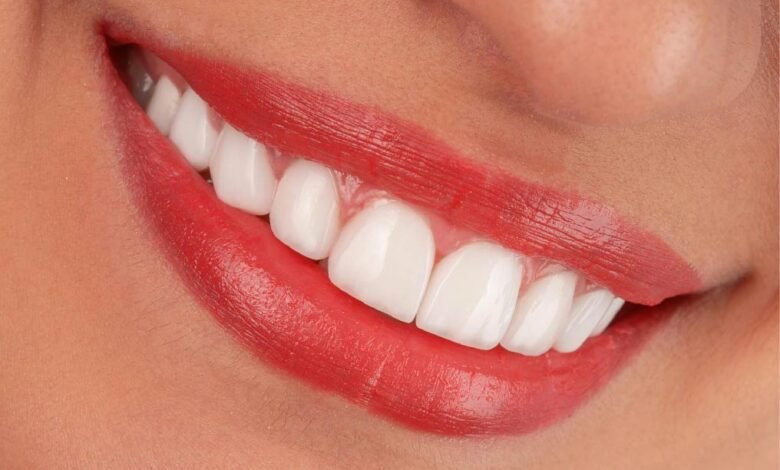
Do you want a brighter smile? Do you want to feel more confident? Tooth brightening can help. There are many options available. This article explores the science, effectiveness, and benefits of different whitening methods. Our goal is to help you make the best choice for your needs.
The Science Behind Tooth Brightening
Teeth whitening works by breaking down stains. These stains sit on your enamel and dentin. Most whitening products use peroxide-based agents. Some use non-peroxide methods instead.
Hydrogen peroxide and carbamide peroxide are common ingredients. They penetrate the enamel. Then they oxidize the colored compounds that make teeth look dull.
Professional treatments use stronger concentrations. Over-the-counter products are weaker. That is why professional treatments work faster and show better results. However, you must follow safety guidelines. This helps prevent tooth sensitivity.
Types of Tooth Brightening Techniques
Knowing your options helps you choose the right method. Here are the main types:
- Professional Whitening: This is done by a dentist. It uses stronger agents for faster results. Options include in-office treatments or custom trays for home use.
- At-Home Whitening Kits: These kits have lower concentrations of active ingredients. They include strips, trays, or gels. You can use them at home. They offer convenience and flexibility.
- Whitening Toothpastes: These contain mild abrasives and bleaching agents. They can help maintain your results. But they are not very effective at changing tooth color significantly.
- Natural Remedies: Some people use baking soda or activated charcoal. These may offer some results. However, they are generally less effective than chemical treatments.
The Benefits of Tooth Brightening
Whitening your teeth offers more than just a better look. Here are some key benefits:
- More Confidence: A brighter smile often boosts self-esteem. You may feel more confident in social settings.
- Better Oral Hygiene: Many whitening products encourage better brushing habits. This leads to improved overall oral health.
- Safe and Effective Options: With professional guidance, whitening is safe. It minimizes risks like sensitivity and enamel damage.
Maintaining Your Whitening Results
Getting a brighter smile is only the first step. You also need to maintain it. Consistent oral care is important. Healthy lifestyle habits also help.
Brush your teeth twice a day. Floss regularly. Visit your dentist for routine checkups. These habits help preserve your whitening results.
It is also wise to limit stain-causing foods and drinks. Coffee, tea, red wine, and dark sauces can stain teeth. If you consume them, rinse your mouth with water afterward.
By combining good oral hygiene with smart dietary choices, you can enjoy a whiter smile for longer.
Managing Sensitivity After Whitening
Some individuals may experience temporary tooth sensitivity after using whitening techniques, especially when stronger peroxide-based treatments are involved. This sensitivity usually occurs because the whitening agents temporarily open the enamel pores, allowing stimuli like hot or cold foods to reach the inner layers of the tooth more easily.
To manage this, using toothpaste designed for sensitive teeth, avoiding extremely hot or cold foods for a short period, and spacing out whitening treatments can help reduce discomfort. In most cases, sensitivity is mild and subsides within a few days, making whitening a safe option when used correctly.
Conclusion: Achieve Your Best Smile
Understanding your whitening options is valuable. It helps you achieve the smile you want. Whether you choose professional treatments or at-home kits, informed decisions lead to better results.
Take the first step today. Talk to your dentist about your choices. A brighter, more confident smile could be just around the corner.
If you want to learn more, check out other articles on our blog.