

Power banks keep phones, tablets, and laptops alive when outlets are out of reach. But with so many models, capacities, and features, picking the right one can feel confusing. Some are slim and light, others are heavy but powerful. Newer options even offer fast charging for laptops and multiple devices at once. By understanding key power bank types, you can match one to your lifestyle, whether you travel often, work on the go, or just need backup power in your pocket. This guide explains the main types, features, and how to choose your perfect fit.
Understanding the Main Power Bank Types
Lithium-Ion Power Banks: Reliable and Affordable
Lithium-ion power banks use older but proven battery tech. Many budget and mid-range models rely on these cells. They often cost less than lithium-polymer options with similar capacity. You usually get a slightly thicker body and more weight, but strong durability. They handle many charging cycles and are suitable for everyday use. If you want value and do not mind a bit of bulk, lithium-ion works well. Students, casual users, and backup-only buyers often choose this type for its balance of price and performance.
Lithium-Polymer Power Banks: Slim and Modern
Lithium-polymer power banks use flatter cells, so brands build slimmer, lighter designs. They often feel more “premium” with sleek cases that slide easily into a bag or pocket. Many modern fast-charging models use this tech because it allows flexible shapes and better space use. They usually cost a bit more than lithium-ion but offer great portability. If you travel a lot, commute daily, or care about size and style, lithium-polymer fits well. These power banks suit users who want modern looks plus strong charging performance.
Power Bank Categories Based on Usage
High-Capacity Power Banks for Heavy Users
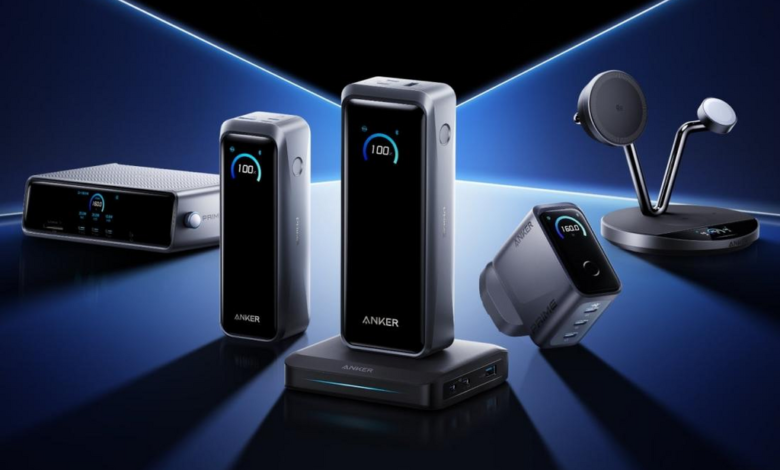
High-capacity power banks store a lot of energy, often above 20,000mAh. They keep phones, tablets, and even laptops running for long trips or busy workdays. The Anker Prime Power Bank (26K, 300W) is a strong example. It packs 26,250mAh capacity and delivers up to 300W total output to power three devices at once. You can recharge it at up to 250W using both USB‑C ports. These models suit travelers, remote workers, and creators who rely on power-hungry devices all day.
Compact Power Banks for Everyday Carry
Compact power banks focus on lightweight and small size. Many offer between 5,000mAh and 10,000mAh, enough for one or two full phone charges. They slip into pockets, small purses, or slim laptop sleeves. Some feature built‑in cables or foldable plugs for extra convenience. If you mostly charge smartphones or earbuds, a compact model usually meets your needs. These are ideal for commutes, quick trips, concerts, or theme parks. Choose a compact power bank when you value portability over all‑day, multi‑device charging.
Wireless and Fast-Charging Power Banks
Wireless and fast‑charging power banks target users who want speed and convenience. Wireless models let you place a compatible phone on top to charge, reducing cable clutter. Many also include wired ports for faster output. Fast‑charging models support protocols like Power Delivery and Quick Charge. These can boost a phone battery from low to around 50% in minutes. Some even power laptops and game consoles. Choose this type if you use newer devices and care about quick top‑ups and flexible charging.
Key Features That Define Power Bank Performance
Capacity, Charging Speed, and Ports Explained
Capacity, measured in mAh, shows how much energy a power bank stores. Higher capacity means more charges but more weight. Charging speed depends on wattage and supported standards such as USB‑C Power Delivery. A 300W total output bank, for example, can share power across several devices at once. Ports matter too. Multiple USB‑C and USB‑A ports let you charge phones, tablets, and laptops together. Look for clear labels on each port’s output so you know which one delivers the fastest, most suitable charge.
Safety, Build Quality, and Brand Reliability
Power banks handle high energy, so safety matters. Quality models include temperature control, overcharge protection, and short‑circuit safeguards. Build quality also affects long‑term value. Solid casing, sturdy ports, and tight seams reduce damage from drops or daily wear. Established brands usually test their products more thoroughly and offer better warranties and support. When you compare models, check certifications, user reviews, and official specs. A safe, well‑built power bank from a trusted brand protects both your devices and your peace of mind.
How to Choose the Right Power Bank for Your Needs?
Start by listing your devices and how often you charge away from outlets. Phone‑only users can pick compact 5,000–10,000mAh models. Add tablets or wireless earbuds, and 10,000–20,000mAh works better. For laptops, cameras, or gaming handhelds, consider high‑capacity power banks like a 26,250mAh, 300W option. Check for USB‑C fast charging, enough ports, and support for your device’s standards. Balance size and weight against your travel habits. Finally, choose a reputable brand with clear safety features and a solid warranty.
Conclusion
Power banks now range from slim emergency backups to powerful, laptop‑class chargers. Lithium‑ion options keep costs low and deliver reliable performance, while lithium‑polymer models offer modern, slim designs. High‑capacity units, such as 26,250mAh, 300W power banks, serve heavy users who run several devices at once. Compact models slip into pockets for daily use, and fast‑charging or wireless versions add speed and convenience. By checking capacity, ports, charging speed, safety, and brand quality, you can match a power bank to your routine and stay powered wherever you go.