
Signs of Parkinson’s Disease in Women: What’s Different and Why It Matters

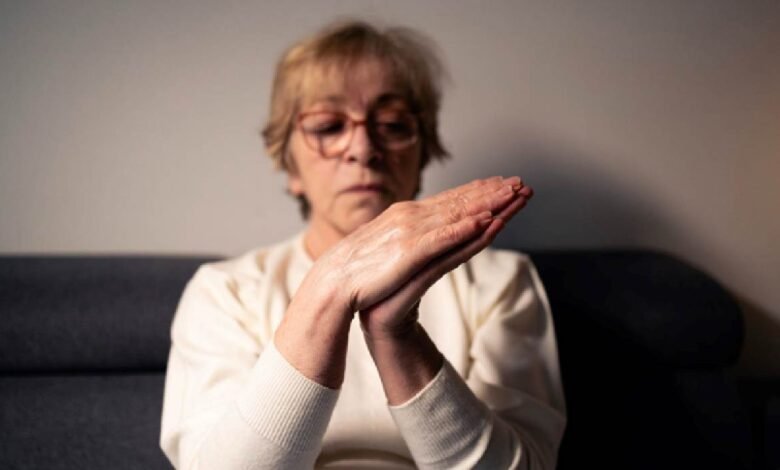
When most people picture Parkinson’s Disease, they picture a man. That image is partly statistical men are diagnosed roughly 1.5 times more often than women but it has had a real cost. For decades, women’s experiences of the disease were studied less, understood less, and in many cases recognized later. The result: a diagnostic gap that can run to years.
Understanding what makes the symptoms of Parkinson’s in women distinct is not a matter of academic interest. It is a practical necessity for patients, caregivers, and the clinicians who serve them.
Why Parkinson’s Disease Looks Different in Women
Parkinson’s Disease develops when dopamine-producing neurons in a region of the brain called the substantia nigra deteriorate over time. That process is the same in both sexes. What differs is how estrogen, body composition, metabolism, and pain sensitivity shape the disease’s course.
Estrogen appears to have a neuroprotective effect. It supports dopamine production and may slow neurodegeneration in premenopausal women, which is one reason why women tend to be diagnosed slightly later in life than men. After menopause, when estrogen levels drop sharply, that protective buffer disappears and some research suggests that symptoms can progress more quickly during this period.
Women also metabolize levodopa differently. Slower gastric emptying and differences in body fat distribution can affect drug absorption, with direct implications for dosing and treatment planning.
The Symptom Profile: What to Watch For
The early Parkinson’s symptoms women experience often differ from the classic presentation taught in medical training, which has historically been based on male-predominant study populations.
Research points to several patterns that are more common or more pronounced in women:
- More severe tremor. Women with Parkinson’s Disease tend to report greater tremor intensity than men at comparable disease stages. This can affect tasks like eating, writing, and handling small objects more acutely.
- Higher rates of dyskinesia. Women appear more susceptible to the involuntary movements caused by long-term levodopa use, likely due to the metabolic differences described above.
- More prominent non-motor symptoms. Depression, anxiety, and pain are disproportionately reported by women with Parkinson’s Disease and are frequently the first symptoms to appear sometimes years before any motor signs develop.
- Atypical initial presentations. Women are more likely to present with stiffness, pain, or fatigue as their first complaint rather than the resting tremor that most people associate with the disease. These symptoms are often attributed to arthritis, fibromyalgia, or depression, which can push the correct diagnosis back significantly.
For a detailed overview of Parkinson’s Disease symptoms and management, including motor and non-motor features, neurologist-reviewed resources are available that walk through the full clinical picture and what people can expect as the condition progresses.
The Diagnostic Delay Problem
Studies have consistently found that women wait longer than men to receive a Parkinson’s diagnosis after first presenting with symptoms. One widely cited analysis found the gap can exceed two years. The reasons are structural as much as biological.
When a woman in her late fifties reports fatigue, joint pain, and mood changes to her primary care physician, Parkinson’s Disease is rarely the first hypothesis. When a man of similar age presents with a visible hand tremor, it more often is. The parkinson symptoms in women that show up first depression, chronic pain, disrupted sleep are not neurologically distinctive enough to immediately trigger a referral to a movement disorder specialist.
This reflects a genuine gap in how Parkinson’s Disease has been taught, not a failure of individual clinicians. Women who know their risk particularly those with a family history or those entering menopause are better positioned to advocate for earlier neurological evaluation.
How the Steadi-3 Supports Women Living with Parkinson’s Disease Tremor
For women whose tremor affects daily tasks, the Steadi-3 is a practical option worth knowing about. It is an FDA-registered Class I medical device that uses passive magnetic stabilization to reduce hand tremor during movement no batteries, no electronics, no prescription required. A placebo-controlled clinical study found that 84% of participants showed improved tremor control compared with no device, as assessed by blinded neurologists.
It does not treat Parkinson’s Disease or slow its progression, but it can reduce the functional impact of tremor during tasks like eating, writing, and handling objects areas where women with Parkinson’s Disease are disproportionately affected.
Conclusion
Parkinson’s Disease does not present the same way in women, and the gap between that reality and how the disease is recognized in practice has real consequences. If something in this article reflects what you or a loved one is experiencing, the most useful next step is a referral to a movement disorder specialist not every neurologist has deep expertise in this area, and for women with atypical presentations, the distinction matters.
Early diagnosis does not change the disease, but it expands the options for managing it.