
Commercial Lock Repairs: How to Keep a Business Secure Without Disrupting Opening Hours

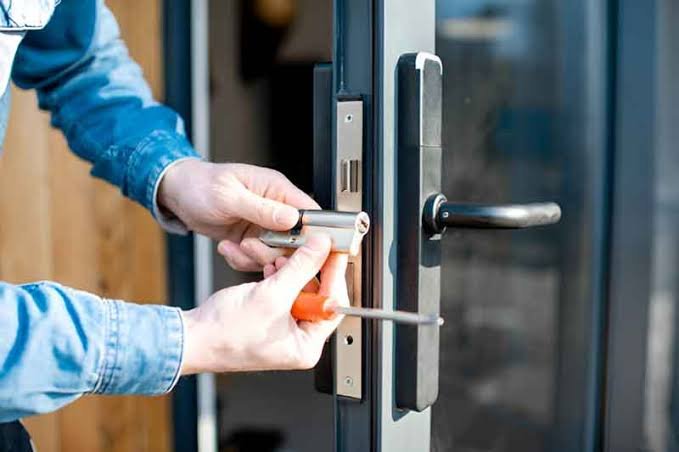
A faulty commercial lock is more than a maintenance issue. It can stop staff opening, delay customers, expose stock or create problems at closing time. The repair has to restore security while causing as little disruption as possible to trading, deliveries and staff routines.
A useful example is LocksmithLocal, where the emphasis is on qualified local locksmiths, City & Guilds and NCFE-backed training through MPL Locksmith Training, non-destructive work wherever possible and a clear explanation before parts are changed. This article uses that kind of professional process as the model for what good service should look like.
Why this service matters
Commercial locksmith work is about continuity and control. A business door that will not lock can stop trading, a lost key can expose stock or data, and a badly planned key system can leave former staff with more access than management realises. The locksmith is solving a security problem and an operational problem at the same time.
Business premises also place heavier demands on hardware. Doors cycle hundreds of times a day, fire exits must remain usable, access may need to vary by job role, and insurers may expect specific standards. The right solution balances security, convenience, compliance and disruption to opening hours.
Commercial doors fail for different reasons from domestic doors. They may be used hundreds of times a day, pulled against closers, affected by weather, knocked by deliveries or worked by many key holders. A repair needs to consider cycle life, door closer adjustment, cylinder wear, latch alignment, panic or emergency exit duties and whether access control is involved.
First checks before you book
Before booking anyone, make the situation safer and gather the information that will help the locksmith arrive prepared. The right preparation reduces delay, avoids unnecessary damage and gives you a clearer conversation about price and method.
- Record which door is affected and when the fault happens.
- Check whether the door is an entrance, staff door, stockroom, shutter, cabinet or fire exit.
- Avoid leaving staff to improvise wedges, tape or unlocked doors.
- Ask whether work can be scheduled before opening, after closing or during quiet hours.
- Keep key-holder authority clear so the locksmith knows who can instruct the work.
- Request documentation of parts fitted for maintenance and insurance records.
How a professional locksmith approaches the job
A commercial visit should begin with how the premises works: who uses each door, which areas need restriction, what hours the business trades, whether there are escape-route duties and what records the manager needs afterwards. That leads to a better specification than simply replacing like for like.
- The locksmith identifies the operational role of the door and any safety or escape-route considerations.
- They diagnose hardware wear, alignment, key control and repair options.
- They repair or replace parts with suitable commercial-grade hardware and test under normal business use.
The best technicians also test their own work under realistic conditions. A door should not be declared fixed only because the lock turns once while the door is open. It should be checked as the customer will use it: closed, opened, locked, unlocked and, where relevant, tested with every new key or access method.
Benefits of getting the right repair
The benefit of a trained locksmith is not limited to speed. It is the ability to solve the cause of the fault, protect the surrounding door or window, and leave the customer with a result that will keep working after the van has gone.
- The business keeps trading where possible.
- The repair uses hardware suited to heavy use.
- Staff and key-holder responsibilities remain clear.
- The premises is secured without leaving temporary bad habits in place.
Commercial cost depends on the hardware and complexity: a single failed cylinder is one thing; a master-key suite, access control installation or escape-door hardware replacement is another. The best value comes from choosing hardware rated for the traffic it will receive and documenting what has been fitted.
Useful questions to ask before work starts
A helpful way to judge the service around commercial lock repairs: how to keep a business secure without disrupting opening hours is to listen to how clearly the locksmith explains the route from diagnosis to repair. The answer should include access checks, likely parts, whether repair is realistic, how damage will be avoided, and whether any security upgrade is optional rather than automatic. This also gives you something to compare if you speak to more than one company: the most professional answer is usually specific, calm and transparent, not a pressure sale.
- Can the fault be diagnosed before drilling or replacing parts?
- Which part is actually failing and which parts are still serviceable?
- Will the price be confirmed before work starts?
- Will the completed lock, door or window be tested from both sides where possible?
- Are the replacement parts suitable for the property type and security expectation?
Common mistakes to avoid
Most expensive locksmith problems start with a small mistake: waiting too long, forcing a part, accepting a vague quote or treating every symptom as if it has the same cause. Avoiding those mistakes protects both the property and the budget.
- Fitting domestic-grade parts to a high-traffic commercial entrance.
- Ignoring a stiff closer or misaligned latch that will destroy the new lock.
- Leaving former staff keys active after a security concern.
- Changing exit hardware without considering fire-safety duties.
Choosing an accredited locksmith
The person working on the lock is being trusted with access, so credentials should be treated as part of the job rather than an afterthought. Ask what training the locksmith has completed, whether they are DBS checked, whether they carry insurance and whether they will explain the method before drilling or replacing parts. Those questions protect the customer as much as the door.
For customers, the practical signs are straightforward: a named person, clear identification, proof checks before entry, a fixed price before work starts, an explanation of the method, and a willingness to repair where repair is the better answer. Those signs matter more than a rushed promise to be cheap or fast.
Quick questions answered
Can repairs happen outside trading hours?
Often yes, depending on local availability and the urgency of the fault.
Should we repair or replace?
If the hardware is suitable and not heavily worn, repair may be enough. If it is under-rated, compromised or repeatedly failing, replacement is better value.
Do we need a key-control plan?
Any business with staff turnover, contractors or restricted rooms should consider one.
Final thought
The best commercial lock repair keeps the business moving while improving reliability. Fix the door as part of an access system, not as an isolated broken part.