
Car Service West Wickham: The Complete Guide to Keeping Your Car Safe, Reliable, and Performing at Its Best

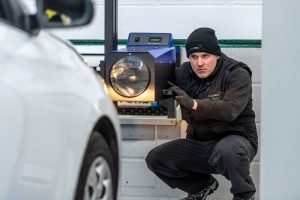
Every vehicle experiences wear and tear, regardless of how carefully it’s driven. Engine oil gradually loses its protective qualities, filters become clogged, brake components wear down, and suspension parts deteriorate over time. Ignoring routine maintenance may seem like a way to save money, but it often leads to higher repair costs, reduced fuel efficiency, and unexpected breakdowns.
Choosing a trusted provider for car service West Wickham helps drivers protect one of their most valuable assets. Professional servicing keeps critical components in excellent condition, improves overall performance, and identifies developing faults before they become expensive repairs. Modern vehicles rely on sophisticated electronics and advanced engineering, making routine maintenance more important than ever.
Whether you own a petrol, diesel, hybrid, or electric vehicle, following the manufacturer’s recommended servicing schedule is one of the simplest ways to improve reliability, maintain warranty protection, and maximise your vehicle’s lifespan.
Why Regular Car Servicing Matters
Many drivers assume servicing is only necessary when something goes wrong.
In reality, routine servicing is preventative maintenance.
It helps:
- Improve engine performance
- Increase fuel efficiency
- Reduce breakdown risk
- Extend engine life
- Improve safety
- Reduce emissions
- Maintain resale value
- Protect manufacturer warranties
A well-maintained vehicle is also more enjoyable to drive and generally costs less to own over time.
What Is Included in a Professional Car Service?
The exact checklist varies depending on the manufacturer and service level.
A typical service may include:
- Engine oil replacement
- Oil filter replacement
- Air filter inspection
- Cabin filter replacement
- Brake inspection
- Suspension inspection
- Steering checks
- Battery testing
- Tyre inspection
- Fluid level checks
- Cooling system inspection
- Drive belt inspection
- Diagnostic scan
- Road test
These inspections help detect minor faults before they become major mechanical failures.
Types of Vehicle Servicing
Interim Service
Recommended for drivers covering high annual mileage.
Usually includes:
- Oil change
- Oil filter
- Safety inspection
- Fluid top-ups
- Tyre checks
Full Service
A full service provides more comprehensive maintenance.
Typically includes:
- All interim service items
- Air filter replacement
- Brake inspection
- Suspension checks
- Battery testing
- Cooling system inspection
Major Service
A major service is the most detailed maintenance package.
Additional items may include:
- Spark plugs
- Fuel filter
- Brake fluid replacement
- Comprehensive inspections
- Extended diagnostic testing
Major servicing helps restore vehicles to excellent mechanical condition.
Engine Oil: The Heart of Every Service
Engine oil performs several essential functions.
It:
- Lubricates moving parts
- Reduces friction
- Prevents overheating
- Removes contaminants
- Protects internal engine components
Delaying oil changes accelerates engine wear and may reduce fuel economy.
Brake Inspections Save Lives
Brakes remain one of the most important vehicle safety systems.
Professional servicing includes checks of:
- Brake pads
- Brake discs
- Brake fluid
- Brake hoses
- ABS operation
- Handbrake performance
Replacing worn components early helps maintain safe stopping distances.
Tyres and Wheel Alignment
Tyres affect every aspect of vehicle performance.
Regular inspections cover:
- Tread depth
- Tyre pressure
- Sidewall condition
- Uneven wear
- Wheel alignment
Correct tyre maintenance improves grip, fuel economy, and handling.
Suspension and Steering Checks
Healthy suspension improves:
- Driving comfort
- Stability
- Cornering
- Tyre life
- Road handling
Warning signs include:
- Knocking noises
- Uneven tyre wear
- Excessive bouncing
- Steering vibration
- Vehicle pulling sideways
Professional inspections identify worn components before they fail.
Computer Diagnostics
Modern vehicles contain multiple electronic control systems.
Diagnostic equipment helps identify faults involving:
- Engine management
- Transmission
- ABS
- Airbags
- Battery systems
- Sensors
- Emissions
- Hybrid systems
Early diagnosis reduces repair costs while improving reliability.
Why Servicing Costs Less Than Repairs
Routine maintenance often prevents expensive failures.
For example:
| Preventative Maintenance | Potential Repair Avoided |
| Oil change | Engine damage |
| Brake inspection | Brake failure |
| Coolant replacement | Overheating |
| Belt inspection | Engine failure |
| Tyre maintenance | Suspension damage |
Small maintenance costs frequently prevent major repair bills.
Petrol, Diesel, Hybrid and Electric Vehicles
Every vehicle requires specialist care.
Petrol Cars
Focus areas include:
- Spark plugs
- Ignition systems
- Fuel injection
Diesel Cars
Additional servicing may include:
- DPF cleaning
- Injector testing
- Turbo inspections
Hybrid Vehicles
Hybrid servicing often includes:
- Battery inspections
- Regenerative braking checks
- Hybrid diagnostics
Electric Vehicles
Electric vehicles still require:
- Brake inspections
- Suspension checks
- Battery health assessments
- Cooling system inspections
- Software diagnostics
Although EVs contain fewer moving engine parts, regular servicing remains essential.
Common Warning Signs Your Vehicle Needs Attention
Never ignore:
- Dashboard warning lights
- Engine vibrations
- Fluid leaks
- Poor fuel economy
- Difficulty starting
- Strange noises
- Burning smells
- Reduced braking performance
Early intervention almost always reduces repair costs.
How Servicing Improves Resale Value
Vehicles with complete service histories generally attract greater buyer confidence.
Regular servicing demonstrates:
- Responsible ownership
- Consistent maintenance
- Lower mechanical risk
- Better long-term reliability
A documented maintenance history often increases resale value.
Choosing the Right Garage
Before booking a service, consider:
- Qualified technicians
- Modern diagnostic equipment
- Transparent pricing
- Genuine or quality replacement parts
- Customer reviews
- Service guarantees
- Clear communication
A trusted garage becomes a long-term partner in maintaining your vehicle.
Why Preventative Maintenance Always Pays Off
Many expensive mechanical failures begin as small issues that develop over time.
Routine servicing identifies these problems early, helping drivers avoid inconvenient breakdowns and costly emergency repairs. Professional vehicle servicing West Wickham provides peace of mind by improving safety, increasing reliability, reducing ownership costs, and ensuring your vehicle performs at its best throughout every season.
Frequently Asked Questions
How often should I service my car?
Most manufacturers recommend servicing every 12 months or after a specified mileage interval. High-mileage drivers may require more frequent maintenance.
What does a full service include?
A full service generally includes an oil change, filter replacements, brake inspection, suspension checks, battery testing, fluid inspections, tyre checks, and diagnostic testing.
Does regular servicing improve fuel economy?
Yes. Clean filters, fresh oil, properly inflated tyres, and healthy engine components all contribute to improved fuel efficiency.
Is servicing different from an MOT?
Yes. Servicing focuses on maintaining your vehicle’s mechanical condition, while an MOT checks whether it meets minimum legal road safety standards.
Can servicing prevent expensive repairs?
Absolutely. Identifying worn components early often prevents serious mechanical failures that are much more costly to repair.