

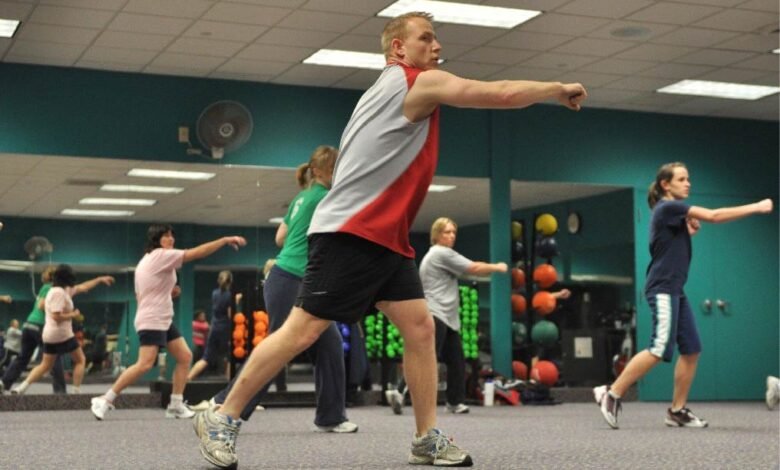
Physical performance depends on more than effort alone. The body needs training that improves strength, control, and endurance over time. That is where conditioning for physical sports potential plays a major role.
It helps support movement, reduce strain, and prepare the body for physical demands. Good conditioning also helps improve consistency during training and competition. Athletes at many levels use it to build a stronger foundation for performance.
The sections below explain how conditioning for physical sports potential can help you. Read on!
Building Strength That Supports Performance
Strength is a core part of athletic performance. It helps the body handle force, resist fatigue, and stay stable during movement.
Proper conditioning improves muscle function through targeted exercises. It also helps support balance between major muscle groups. This can improve power during the following:
- Running
- Jumping
- Lifting
- Sport-specific actions
Stronger muscles also help protect joints from excess stress. Over time, strength development supports better performance under pressure. It also helps the body recover better from repeated physical demands.
Improving Endurance for Sustained Output
Endurance helps athletes maintain performance for longer periods. Proper conditioning improves how the body uses energy during physical activity. This supports stamina during training sessions and competition.
It also helps reduce early fatigue that can affect form and focus. Better endurance can improve pace, consistency, and overall output.
Conditioning programs often include methods that build both aerobic and muscular endurance, and this creates better support for long periods of movement. As endurance improves, physical performance often becomes more reliable.
Enhancing Mobility and Movement Efficiency
Mobility plays a major role in how the body moves during sports. Proper conditioning helps improve joint range and muscle flexibility. This can support smoother and more controlled movement patterns.
Better movement efficiency often leads to improved speed and coordination. It can also help reduce wasted energy during physical activity. Conditioning often includes drills that improve posture, alignment, and body control.
In some cases, working with a licensed sports therapist can help identify movement limits and improve training support. These improvements can help athletes move better and perform with greater confidence.
Reducing Injury Risk Through Better Preparation
Injury prevention is a major part of sports conditioning. The body performs better when it is prepared for physical stress. Proper conditioning helps strengthen muscles, improve stability, and support movement control, and these factors can lower the risk of strain or overuse injuries.
Warm-up routines and recovery work are also part of effective conditioning. They help prepare tissues for activity and support repair after training.
Consistent preparation can help athletes stay active and avoid setbacks. Fewer injuries often lead to better long-term progress.
Supporting Faster Recovery Between Sessions
Recovery affects how well the body performs over time. Proper conditioning includes strategies that support rest and physical repair. This may include mobility work, controlled training loads, and recovery-focused exercises.
These methods help reduce soreness and support tissue recovery. Faster sports recovery can help athletes return to training with better readiness. It also helps prevent fatigue from building over multiple sessions.
When recovery improves, performance can stay more consistent. This creates better conditions for long-term development.
Proper Conditioning Unlocks Your Full Physical Sports Potential
Proper conditioning helps support strength, endurance, mobility, recovery, and injury prevention. It gives the body a stronger base for performance and long-term progress.
With the right approach, conditioning for physical sports potential can help improve results. This can be expected while also supporting safer and more efficient training. Consistent effort in this area can help unlock better physical performance over time.
For other topics, check our blog. We have more!