
Complete Guide to Understanding and Managing Water Heating System Upgrades

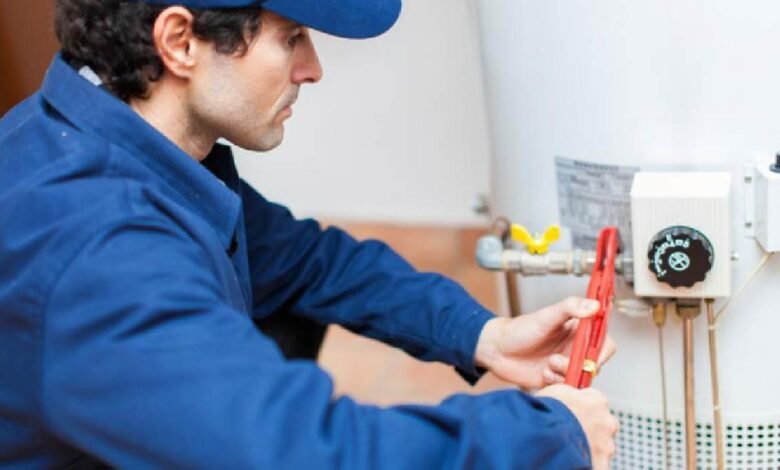
A reliable hot water supply is something most households depend on every single day, whether it is for bathing, cooking, cleaning, or laundry. When a system begins to fail or lose efficiency, it can quickly disrupt daily comfort and increase energy costs. That is why understanding how to evaluate, maintain, and eventually replace a water heating system is essential for every homeowner who wants long-term reliability and cost savings.
One of the most common reasons people start researching plumbing solutions is inconsistent water temperature, rising utility bills, or visible leakage around the tank. In many of these cases, the solution eventually comes down to planning a proper water heater replacement that ensures the home continues to receive safe and efficient hot water without frequent breakdowns or unexpected repairs. However, before making that decision, it is important to understand how these systems work, what signs indicate failure, and what factors should be considered before installation of a new unit.
How Water Heating Systems Work and Why Efficiency Matters
Water heating systems are designed to store or instantly heat water using energy sources such as electricity, gas, or in some cases solar power. Traditional storage systems keep a reservoir of heated water ready for use, while modern tankless systems heat water only when needed. Over time, mineral buildup, corrosion, and general wear can reduce the efficiency of these systems, making them slower and more expensive to operate.
Efficiency matters because even a small decline in performance can significantly increase monthly energy consumption. A system that struggles to maintain temperature often works harder than necessary, which accelerates wear and shortens its lifespan. This is why homeowners are encouraged to monitor their system’s performance regularly and take action before a complete breakdown occurs. In many situations, delaying maintenance or ignoring early warning signs eventually leads to an unavoidable water heater replacement that could have been planned more cost-effectively if addressed earlier.
Common Warning Signs That Indicate System Failure
Recognizing early signs of failure can save both money and inconvenience. One of the most noticeable indicators is inconsistent water temperature, where hot water suddenly turns cold or fluctuates during use. Another common sign is unusual noise coming from the tank, often caused by sediment buildup at the bottom of the unit. This sediment forces the system to work harder, reducing efficiency and increasing strain on internal components.
Leaks are another serious warning sign that should never be ignored. Even small amounts of water pooling around the base of the heater can indicate internal corrosion or pressure issues. Rust-colored water is also a strong indication that the interior lining of the tank is deteriorating. When multiple symptoms begin to appear at the same time, it is usually more practical to consider a full upgrade rather than repeated repairs. In fact, many professionals recommend planning a timely water heater replacement when the system reaches the end of its typical lifespan, rather than continuing to invest in temporary fixes.
Factors to Consider Before Upgrading a System
Choosing a new water heating system requires careful evaluation of household needs, energy efficiency goals, and budget. One of the most important considerations is the size of the household and daily water usage. A larger family typically requires a higher capacity system, while smaller households may benefit from compact or tankless models that reduce energy waste.
Energy source is another key factor. Electric systems are generally easier to install and maintain, while gas systems often provide faster heating and lower long-term operational costs depending on local energy prices. Modern high-efficiency models can significantly reduce utility bills, making them a smart long-term investment even if the upfront cost is higher.
Installation space also plays an important role. Traditional tanks require more physical space, while tankless systems can be installed in tighter areas such as utility closets or walls. When planning a new setup, homeowners should also consider future maintenance accessibility, as this can impact long-term servicing costs and convenience. All of these factors contribute to making an informed decision when evaluating whether a water heater replacement is the right step for improved performance and reliability.
Maintenance Practices That Extend System Life
Regular maintenance is one of the most effective ways to extend the lifespan of a water heating system and delay the need for major repairs. Flushing the tank periodically helps remove sediment buildup that can reduce efficiency and cause overheating. Checking the pressure relief valve ensures that the system is operating safely and prevents dangerous pressure accumulation.
Inspecting for leaks, rust, and unusual noises should also be part of routine maintenance. Small issues that are caught early can often be repaired without major expense, but if ignored, they can escalate into serious damage that requires full system replacement. Insulating the tank and nearby pipes can also improve efficiency by reducing heat loss, especially in colder environments.
Despite proper maintenance, every system eventually reaches a point where performance declines beyond practical repair. At that stage, continuing with frequent fixes may cost more in the long run than investing in a new system. That is why professionals often advise planning ahead and budgeting for a water heater replacement before an emergency failure occurs, ensuring a smooth transition without disruption to daily life.
Cost Considerations and Long-Term Value
The cost of upgrading a water heating system varies depending on the type of unit, installation complexity, and energy efficiency rating. While basic models may have lower upfront costs, they often consume more energy over time, leading to higher utility bills. On the other hand, high-efficiency systems or tankless models may require a larger initial investment but provide significant savings in long-term energy usage.
Labor and installation costs should also be factored into the overall budget. Professional installation ensures safety, compliance with local regulations, and optimal system performance. Attempting to install complex systems without proper expertise can lead to inefficiencies or even safety hazards.
When evaluating costs, it is important to consider long-term value rather than just initial expense. A properly selected and installed system can last many years with minimal maintenance, making it a worthwhile investment for household comfort and efficiency. In many cases, homeowners find that a planned water heater replacement pays for itself over time through reduced energy consumption and fewer repair expenses.
Troubleshooting and When Replacement Becomes Necessary
Troubleshooting a water heating system begins with identifying whether the issue is minor or structural. Simple problems such as thermostat settings or tripped breakers can often be resolved quickly. However, recurring issues such as frequent breakdowns, inconsistent heating, or visible corrosion usually indicate deeper internal damage.
When repairs become frequent and increasingly expensive, it is often a clear sign that the system is nearing the end of its useful life. At this point, continuing repairs may only provide temporary relief rather than a long-term solution. This is where evaluating a full water heater replacement becomes the most practical decision, ensuring reliability and preventing unexpected breakdowns that could disrupt household routines.
Final Thoughts on System Upgrades and Efficiency
A well-functioning water heating system is essential for comfort, hygiene, and convenience in any home. Understanding how these systems work, recognizing early warning signs, and maintaining them properly can significantly extend their lifespan and improve efficiency. However, no system lasts forever, and there comes a time when upgrading becomes the most sensible option both financially and practically.
Making informed decisions about maintenance, repair, and replacement helps homeowners avoid unnecessary stress and unexpected expenses. With careful planning and awareness, transitioning to a new system can be smooth and highly beneficial in the long run. Ultimately, a timely water heater replacement ensures consistent performance, improved energy efficiency, and long-term peace of mind for any household.