
Reliable Soffit and Fascia Replacement Services to Prevent Moisture Damage and Improve Airflow

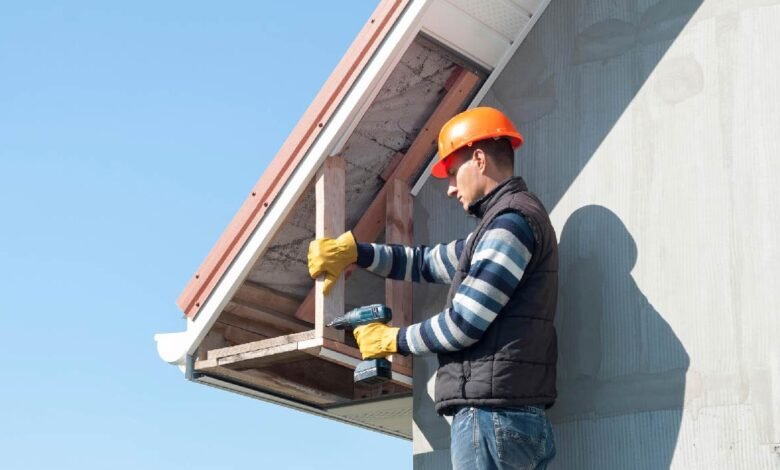
When it comes to protecting a home from weather damage, most homeowners immediately think about roofing materials, shingles, insulation, or drainage systems, but one of the most important yet frequently overlooked parts of any property is the roofline system, especially the soffit and fascia, which play a critical role in both structural protection and ventilation, and understanding how these components function, how they deteriorate over time, and when they require attention can help prevent serious and expensive damage in the long run, especially when issues are addressed early through proper maintenance or timely soffit and fascia replacement.
The soffit is the underside of the roof overhang that extends from the outer wall of a house to the edge of the roof, and it is usually designed with ventilation openings that allow air to circulate into the attic space, helping regulate temperature and moisture levels, while the fascia is the vertical finishing board that runs along the edge of the roof, supporting the lower edge of the roof tiles and holding the gutters in place, and together these two elements form a protective barrier that shields the roof structure from water intrusion, pests, and environmental damage while also improving the overall appearance of the home.
Without properly functioning soffit and fascia, the roof system becomes vulnerable to moisture buildup, wood rot, mold growth, and structural weakening, and this is why professionals emphasize regular inspection and timely repair or soffit and fascia replacement when signs of damage appear.
Why Soffit and Fascia Are So Important for Roof Health
The importance of soffit and fascia extends far beyond appearance because they are directly involved in protecting the structural integrity of the roof and maintaining proper airflow in the attic, and without adequate ventilation provided by soffits, heat and moisture can accumulate in the attic space leading to condensation, insulation damage, and increased energy costs, while the fascia board ensures that gutters remain securely attached and that rainwater is properly directed away from the building foundation.
In addition, soffit and fascia also act as the first line of defense against birds, insects, and rodents that often try to enter attic spaces through gaps in the roofline, and when these components are damaged or deteriorated, pests can easily gain access and cause further damage inside the structure.
Common Signs That Indicate the Need for Replacement
One of the most common indicators that a home may require soffit and fascia replacement is visible physical deterioration such as peeling paint, cracking wood, or sagging sections along the roofline, which often signals long-term exposure to moisture or weather damage, and another major warning sign is the presence of mold, mildew, or a musty smell in the attic, which typically indicates poor ventilation or hidden water intrusion.
Homeowners may also notice that gutters are loosening or pulling away from the roof, which is often caused by weakened fascia boards that can no longer support the weight of the gutter system, and pest activity such as birds nesting near roof edges or insects entering attic spaces is another strong indication that soffits may be compromised and need immediate attention, and in such cases, delaying soffit and fascia replacement can lead to much more serious structural repairs.
Materials Commonly Used for Soffit and Fascia Systems
There are several materials used in modern soffit and fascia construction, each offering different levels of durability, maintenance requirements, and cost efficiency, and wood is the traditional option that provides a natural appearance but requires frequent painting and maintenance to prevent rot and insect damage, while vinyl is a low-maintenance alternative that resists moisture and does not require painting but may become brittle in extreme temperatures over time.
Aluminum is another widely used option because it is lightweight, corrosion-resistant, and durable, making it suitable for long-term performance with minimal maintenance, and fiber cement is considered one of the most durable materials available, offering resistance to fire, pests, and weather damage, although it tends to be more expensive and heavier than other options.
Choosing the right material depends on climate conditions, budget, and long-term maintenance expectations, and homeowners often consult professionals before deciding on the most suitable option for soffit and fascia replacement projects.
The process of soffit and fascia replacement begins with a detailed inspection of the roofline to assess the extent of damage and determine whether structural repairs are required before installation, and once the evaluation is complete, the old and damaged soffit and fascia boards are carefully removed to expose the underlying roof structure.
If any rot or damage is found in the rafters or roof decking, it is repaired at this stage to ensure a strong foundation for the new installation, and after the structural repairs are completed, new soffit panels are installed to restore proper ventilation while fascia boards are fitted securely along the roof edge to support gutters and protect the roofline from water exposure.
Finally, finishing touches such as sealing, painting, or protective coating are applied to enhance durability and improve appearance, ensuring that the new installation provides long-term protection and aesthetic value.
Benefits of Investing in New Soffit and Fascia
One of the most significant benefits of soffit and fascia replacement is improved ventilation in the attic, which helps regulate temperature and reduce moisture buildup, ultimately improving energy efficiency and indoor comfort, and another major benefit is enhanced protection against water damage, as new materials provide a stronger barrier against rain and snow.
Replacing old soffit and fascia also increases the overall curb appeal of a home, making it look well-maintained and structurally sound, which can significantly improve property value, especially for homeowners planning to sell, and in addition to visual improvements, modern materials require less maintenance, reducing long-term repair costs and effort.
Proper maintenance plays a crucial role in extending the lifespan of soffit and fascia systems, and regular gutter cleaning is essential because clogged gutters can cause water overflow that damages fascia boards, while annual inspections help identify early signs of wear, cracks, or pest activity before they become major issues.
Repainting wooden soffits and fascia when necessary helps protect against moisture and environmental damage, and ensuring that soffit vents remain unobstructed is equally important for maintaining proper airflow in the attic and preventing condensation-related problems.
Professional Installation Versus DIY Approach
While some homeowners may consider handling soffit and fascia replacement as a DIY project, it is important to understand that working at roof height involves safety risks and requires proper tools and experience, and improper installation can lead to ventilation issues, water leakage, or structural instability.
Professional installation ensures that materials are fitted correctly, ventilation is properly maintained, and any hidden structural damage is addressed before new components are installed, making it a safer and more reliable option for long-term performance.
The cost of soffit and fascia replacement depends on several factors including the type of material chosen, the size of the property, the level of existing damage, and labor costs in the region, and while premium materials such as aluminum or fiber cement may increase initial expenses, they often provide better long-term value due to their durability and low maintenance requirements.
In cases where underlying structural damage is discovered, additional repair work may increase the overall cost, but addressing these issues early helps prevent more expensive repairs in the future.
Energy Efficiency and Environmental Impact
Modern soffit systems contribute to better energy efficiency by improving airflow in the attic, which reduces heat buildup and lowers cooling costs during warm seasons, and this improved ventilation also helps protect insulation from moisture damage, ensuring that it performs effectively over time.
In addition, many modern materials used in soffit and fascia replacement systems are recyclable or designed for long-term sustainability, reducing environmental impact and supporting eco-friendly construction practices.
One of the most common mistakes homeowners make is ignoring early warning signs such as small cracks or peeling paint, which often leads to more severe damage over time, and another mistake is choosing incompatible materials that expand and contract differently, causing gaps or structural issues.
Blocking soffit vents with insulation or debris is another frequent issue that reduces airflow and leads to moisture buildup, and attempting complex soffit and fascia replacement without professional assistance can also result in improper installation and long-term damage.
Final Thoughts on Roofline Protection
Soffit and fascia systems may not always be the most visible parts of a home, but they play a crucial role in protecting the roof structure, maintaining ventilation, and enhancing overall appearance, and understanding their importance helps homeowners make better maintenance and replacement decisions that ultimately save money and prevent serious damage.
When damage becomes visible or performance declines, investing in timely soffit and fascia replacement ensures long-term durability, improved energy efficiency, and better structural protection, making it one of the most important aspects of home maintenance that should never be overlooked.