

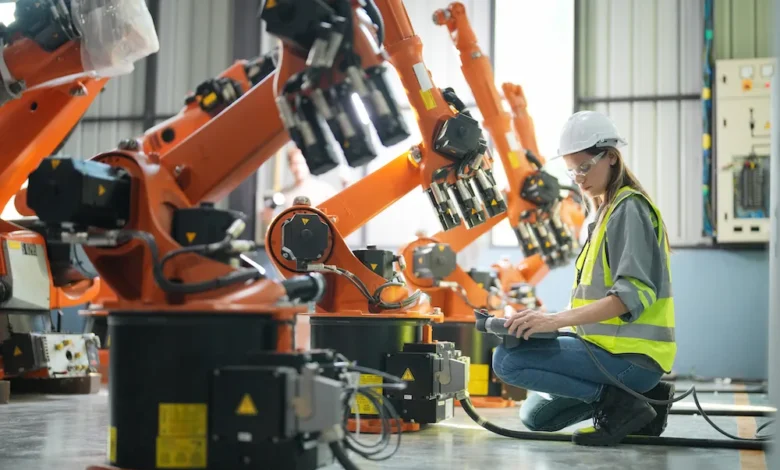
The modern industrial sector faces a tough dual challenge: maximizing production output while drastically reducing carbon footprints and operational expenses. To balance these competing priorities, facility managers are shifting focus from manual processes to sophisticated digital control systems. This is why energy automation is rapidly becoming the cornerstone of contemporary industrial efficiency strategies across the globe.
When industrial plants employ energy automation frameworks, they gain the ability to dynamically adjust operations, ensuring that heavy machinery draws power only when necessary, thereby eliminating structural waste.
Let’s explore how energy automation improves efficiency, reduces energy waste, and supports smarter, more sustainable industrial operations.
Driving Productivity Through Intelligent Control
The financial impact of optimizing power consumption is profound, particularly in asset-intensive sectors like manufacturing, petrochemicals, and heavy processing. By integrating smart devices into localized power grids, facilities can automate load shedding and peak shaving protocols.
Key operational benefits:
- Optimized Load Distribution: Prevents system overloads during peak production hours and ensures stable energy flow across all connected systems.
- Predictive Maintenance:Monitors equipment health via thermal and electrical anomalies, helping detect issues early before they escalate into failures.
- Reduced Downtime:Pinpoints exact failure locations to accelerate maintenance responses and supports faster system recovery with minimal disruption.
When a facility experiences a sudden surge in demand, an automated system can seamlessly reallocate power or throttle non-essential equipment. This level of granular control ensures that critical production lines remain stable without incurring expensive peak-demand penalties from utility providers.
Furthermore, the continuous data stream generated by a comprehensive energy automation network changes how maintenance teams manage physical infrastructure. Instead of relying on rigid, calendar-based service schedules, engineers can use real-time performance indicators to predict when a specific electrical instrument or piece of equipment might fail.
If a heavy-duty motor begins drawing more current than normal, the automated system flags the anomaly before a catastrophic breakdown occurs. Consequently, energy automation directly safeguards operational uptime, ensuring that unexpected machinery failures do not derail strict production timelines.
Seamless Integration of Sustainable Infrastructure
Modern industrial efficiency is also deeply intertwined with corporate sustainability mandates and carbon reduction goals. As regulatory pressures intensify, factories must increasingly rely on decentralized power sources, such as on-site solar arrays, wind turbines, and localized battery storage systems.
Managing these intermittent power sources alongside the traditional utility grid requires a level of speed and precision that human operators cannot match. Industrial enterprises must incorporate energy automation platforms to balance these diverse power inputs smoothly.
An automated network can instantly calculate the most cost-effective and sustainable power mix based on current weather patterns, utility rates, and internal production needs. For instance, during peak sunlight hours, the system can automatically direct solar power to running machinery while storing excess generation in local battery banks.
When utility prices spike in the evening, the system can deploy that stored electricity to keep operating costs flat. This dynamic balancing act makes energy automation an indispensable asset for any organization seeking to future-proof its operations against volatile global fuel markets.
How Energy Automation Drives Industrial Efficiency
Successfully implementing energy automation systems requires specialized expertise that goes beyond standard factory maintenance capabilities. As industries adopt smarter energy control frameworks, integration becomes more complex, making experienced guidance essential for smooth execution. This is why collaboration with established energy engineering partners is critical to achieving long-term industrial efficiency goals.
Leading experts bring deep domain knowledge that ensures seamless integration between automated energy systems and existing industrial infrastructure. They also strengthen operational reliability through standardized cybersecurity protocols designed for connected environments. In addition, trusted partners provide ongoing software updates, dependable spare parts, and access to skilled technical support.