

Plastic surgery can change specific features, and patients need to understand what each procedure involves. Since every surgery has its objectives, a clear consultation helps patients make a more informed choice. Here are a few things to note when understanding the risks and benefits of plastic surgery.
Breast Augmentation Procedure
Breast augmentation starts with the patient’s frame, not just the preferred size. The width of the chest helps decide how wide the implant base should be. A wider chest can carry a wider implant, while a narrow chest needs a more fitted base. When the implant fits the body well, the breasts look more in line with the waist and hips.
Breast augmentation can add volume or restore breast shape, depending on the patient’s goals. A teardrop implant creates a more natural slope because it follows the shape of natural breast tissue. Implant placement also affects the final result, and the surgeon can explain which position suits the patient’s anatomy.
Tummy Tuck Process
A tummy tuck removes extra skin from the lower abdomen and helps the midsection look flatter. That matters when the skin has stretched after pregnancy or weight loss and does not tighten on its own. The procedure can also bring separated abdominal muscles back together, which gives the core more support. Liposuction removes small pockets of fat, but a tummy tuck deals more directly with loose skin and muscle separation. A tummy tuck comes with a longer incision, so where the surgeon places it matters. The stomach can be tight for a while after surgery, and standing straight may take time. Short walks help blood flow, and light movement keeps the body from feeling stiff. Clean dressings help protect the incision as the skin heals.
Rhinoplasty Procedure
Rhinoplasty changes the shape or structure of the nose. Patients may choose it to address a hump, uneven shape, nostril concerns, or a nose that does not match other facial features. The benefit of rhinoplasty is that small changes improve facial balance. Since the nose sits at the center of the face, even minor refinements affect the overall appearance. A surgeon may use an open or closed approach depending on the areas that need adjustment.
Rhinoplasty involves a gradual recovery process. Swelling around the nasal tip improves over time as the nose settles into its refined shape. Some patients notice temporary numbness, skin sensitivity, or uneven healing during the healing period. A clear recovery discussion helps patients understand normal changes after surgery.
Facelift Surgery
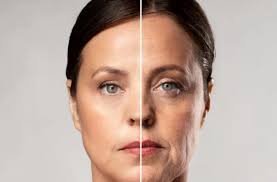
Plastic surgery benefits from a facelift include lifting sagging facial tissue and restoring facial contours. A facelift repositions underlying tissue that has descended, creating more defined facial angles and correcting fullness in the jawline and neck area. It can also tighten loose neck skin, which helps the lower face appear more structured. Protecting the structure and blood supply of the underlying tissue improves long-term outcomes.
Incisions placed along natural skin creases around the ears or hairline support discreet scar positioning. As facial circulation adjusts during healing, tiny blood vessels may become visible while the skin settles. Facelift surgery involves temporary nerve effects, and sensation or expression improves as recovery progresses.
Schedule for a Plastic Surgery
Consult with experienced surgeons to discuss your goals and confirm that the suggested procedures align with your aesthetic preferences. Surgeons might provide breakdowns of the options if you are looking for skin rejuvenation. Counseling sessions focus on the procedures of concerns and their relative risks and benefits. Scheduling an appointment with a plastic surgery specialist provides information on a variety of issues and assists you in choosing the right solution. Contact a professional surgeon today and schedule your consultation.