

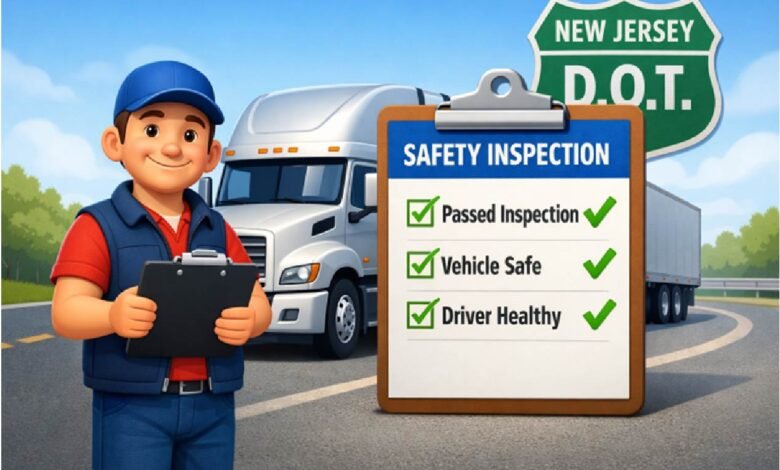
Key Takeaways
- DOT physicals are mandatory for all commercial drivers in New Jersey.
- Examinations assess physical and mental fitness to operate CMVs safely.
- Certified medical examiners listed on the National Registry must conduct these exams.
- Medical certificates are valid for up to two years, with periodic renewals required.
- Non-compliance can result in suspension or revocation of commercial driving privileges.
Commercial drivers in New Jersey are required to undergo Department of Transportation (DOT) physicals to ensure they meet the health standards necessary for safely operating commercial motor vehicles (CMVs). These examinations are vital for maintaining road safety and compliance with federal and state regulations. For comprehensive information on NJ DOT Physicals, Care Station Medical Group offers detailed insights and services. As a trusted provider in New Jersey, Care Station Medical Group specializes in DOT physicals, ensuring drivers meet all necessary health standards for safe CMV operation.
What Is a DOT Physical?
A DOT physical is a comprehensive medical examination mandated by the Federal Motor Carrier Safety Administration (FMCSA) to evaluate a driver’s physical and mental fitness for operating a CMV. The exam includes assessments of vision, hearing, blood pressure, and overall physical health to identify any conditions that might impair driving abilities.
Who Needs a DOT Physical in New Jersey?
In New Jersey, individuals must undergo a DOT physical if they:
- Operate a vehicle with a gross vehicle weight rating (GVWR) or gross combination weight rating (GCWR) of 10,001 pounds or more.
- Transport hazardous materials requiring placards.
- Operate a vehicle designed to transport more than 15 passengers, including the driver.
These requirements align with federal regulations to ensure that drivers can safely handle the demands of commercial driving.
What Does the Examination Involve?
The DOT physical includes several key components:
- Vision Test:Drivers must have at least 20/40 acuity in each eye, with or without correction, and a horizontal field of vision of at least 70 degrees.
- Hearing Test:Ability to perceive a forced whisper at a distance of at least five feet, with or without hearing aids.
- Blood Pressure and Pulse Rate:To detect hypertension and irregular heartbeats.
- Urinalysis:Screens for underlying medical conditions such as diabetes.
- Physical Examination:Evaluates overall physical health, including neurological and musculoskeletal systems.
How Often Are DOT Physicals Required?
Medical certificates issued after a DOT physical are typically valid for up to two years. However, if a driver has a condition that requires monitoring, such as hypertension, the certificate may be issued for a shorter period, necessitating more frequent examinations.
Consequences of Non-Compliance
Failing to comply with DOT physical requirements can lead to serious consequences, including suspension or revocation of commercial driving privileges. Employers are also responsible for ensuring their drivers meet these requirements to avoid legal and financial repercussions.
Where to Obtain a DOT Physical in New Jersey
Drivers must have their DOT physicals conducted by certified medical examiners listed on the National Registry of Certified Medical Examiners (NRCME). Facilities like Care Station Medical Group offer DOT physicals performed by NRCME-certified examiners, providing convenient and reliable services for commercial drivers.
Common Conditions Evaluated During a DOT Physical
Several health conditions may affect a driver’s eligibility for a medical certificate. These include, but are not limited to:
- Cardiovascular Disease:Drivers with a history of heart attack, angina, or other heart conditions may need additional documentation from their cardiologist.
- Diabetes:Drivers with diabetes must show proper management of their condition, especially if insulin is required for treatment.
- Sleep Disorders:Obstructive sleep apnea, narcolepsy, or other sleep disorders may require documented treatment and ongoing management.
- Epilepsy and Seizure Disorders:Applicants typically must be seizure-free for a specific period, often one to ten years, depending on the disorder and treatment plan.
- Psychiatric Conditions:Mental health conditions such as depression or anxiety, if unmanaged, can affect driving safety and must be evaluated accordingly.
Proper documentation and ongoing communication with healthcare providers are crucial for drivers managing chronic conditions.
Tips to Prepare for Your DOT Physical
Preparation can help ensure a smooth and successful exam experience. Consider these tips before your appointment:
- If you have chronic health issues, bring recent test results and clearance letters from your treating physician.
- Take your prescribed medications as scheduled on the day of the exam.
- Stay hydrated and avoid caffeine or energy drinks that may elevate blood pressure prior to your appointment.
- Disclose all health problems or prior surgeries openly and honestly with your examiner.
- Bring your corrective lenses, hearing aids, or other necessary assistive devices.
Being prepared can minimize delays and improve the accuracy of your medical assessment, ensuring compliance with federal and state driving regulations.
Frequently Asked Questions
What should I bring to my DOT physical appointment?
Bring a valid driver’s license, a list of current medications (including dosages and prescribing doctor’s name), corrective lenses or hearing aids if you use them, and any necessary medical clearance letters for past surgeries or medical conditions.
Can I fail a DOT physical?
Yes, if you have a medical condition that disqualifies you from safely operating a CMV, such as uncontrolled hypertension, certain vision or hearing impairments, or other serious health issues.
Is there a grace period if my medical certificate expires?
No, there is no grace period. Operating a CMV with an expired medical certificate is illegal and can result in penalties.
How can I find a certified medical examiner?
You can search for certified medical examiners on the FMCSA’s National Registry website to find a qualified professional in your area.
Are there any exemptions to the DOT physical requirements?
Some drivers may qualify for exemptions or waivers for specific medical conditions. It’s essential to consult with a certified medical examiner or the FMCSA for guidance on eligibility.
How to Stay Informed and Maintain Compliance
Laws and requirements regarding DOT physicals are subject to periodic updates. Staying current on regulations will help you avoid disruptions in your commercial driving career. Bookmarking key resources, such as the FMCSA website, or speaking regularly with your employer’s compliance officers can help. If you’re a new driver, consider attending informational seminars or workshops offered by driving schools, trucking associations, or your company’s safety program to boost your understanding of health and safety expectations.
Final Thoughts
In summary, DOT physicals are a fundamental component of commercial driving in New Jersey, protecting both the individual driver’s wellbeing and public safety. By being proactive about health management and compliance, drivers can support long, successful careers and keep our roadways safe for everyone.
For more detailed information on DOT physical requirements and regulations, refer to the FMCSA’s official guidelines.