
The Bioavailability Myth: Why 20g of Bone Broth Protein Isn’t the Same as a Whey Shake


In the modern world of fitness and nutrition, we have become conditioned to chase a single number: grams of protein. Whether you are scanning the back of a bag of jerky or mixing a powder after a workout at your favorite Nashville gym, the “more is better” mentality usually wins. However, there is a significant flaw in this logic. We have started prioritizing quantity over bioavailability, forgetting that what our bodies can actually absorb and utilize is far more important than what is printed on the label.
When we look at bone broth protein, we aren’t just looking at a macronutrient; we are looking at a structural foundation. Many people assume that 20 grams of protein from a standard whey shake is identical to 20 grams of protein from a slow-simmered broth. This is the “Bioavailability Myth.” To truly understand how to fuel your body, you have to look past the total count and examine the amino acid profile, the source, and the structural intent of the food you consume.
Understanding the Functional Difference
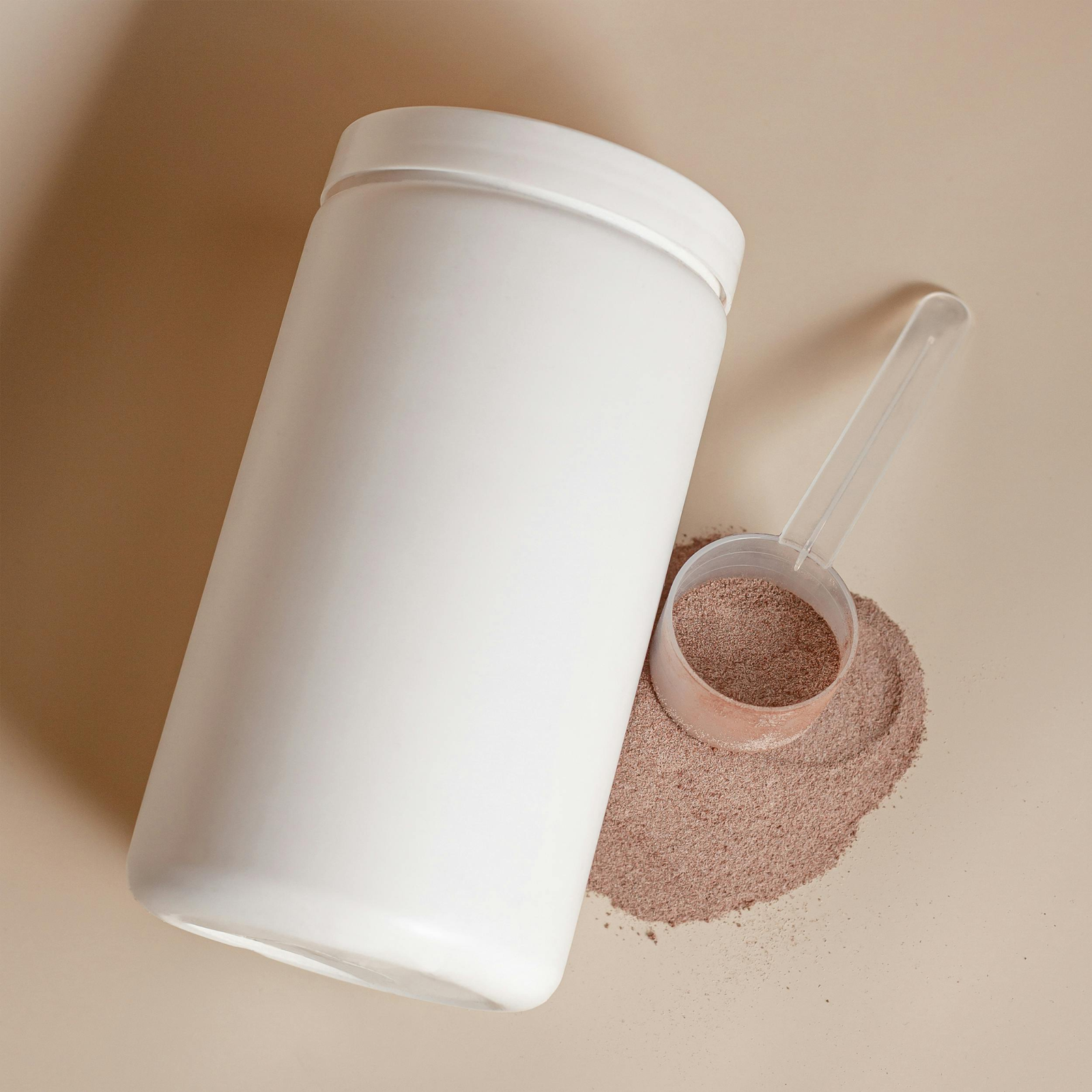
The debate of bone broth vs whey protein isn’t about which one is “better” in a vacuum; it is about what your body needs at a cellular level. Whey is a byproduct of cheese production. It is a “fast” protein, rich in Branched-Chain Amino Acids (BCAAs) like leucine, which are designed to trigger muscle protein synthesis. If your only goal is to bulk up your biceps, whey has its place.
However, your body is made of more than just muscle. Your joints, skin, gut lining, and connective tissues require a different set of tools. This is where the specific bone broth protein benefits come into play. Unlike milk-based supplements, broth is loaded with “structural” amino acids: glycine, proline, and hydroxyproline. These are the primary components of collagen. While whey builds the “engine” of the body, the collagen-based proteins in broth build the “chassis.” Without a strong chassis, the engine will eventually cause the frame to break down.
Is It a “Complete” Source?
A common question that arises in nutrition circles is, “is bone broth protein complete?” In the strictest biological sense, it is missing one essential amino acid: tryptophan. Because of this, it is often labeled as “incomplete.” But this label is misleading when it comes to functional health.
We already get an abundance of tryptophan and other muscle-building aminos from eggs, poultry, and beef. What we are chronically lacking in the modern Western diet are the specific aminos found in the bones and connective tissues. By incorporating a high-quality broth, you aren’t just adding a supplement; you are balancing your overall amino acid intake. This balance helps reduce systemic inflammation and supports the liver in its detoxification processes. Therefore, worrying about it being “complete” misses the point—it is the functional “missing link” that makes your other protein sources work more efficiently.
The Quality of the Simmer
The way your protein is prepared dictates how much of it your body can actually use. If you check how much protein in bone broth you are consuming, you might see a high number, but if that broth was made using high-heat, high-pressure industrial methods, the proteins may be denatured.
For the body to recognize and absorb these nutrients, the broth needs to be simmered slowly at low temperatures. This gentle process preserves the delicate triple-helix structure of the collagen. At Remedy, we utilize a 24-hour simmer and Kangen (Ionized) Water. This specific water is micro-clustered, meaning the molecules are smaller and more capable of penetrating your cells. This increases the bioavailability of the minerals and proteins, ensuring that those 15-20 grams per serving actually go to work repairing your tissues rather than just passing through your system.
Joint Longevity and the Nashville Lifestyle
Nashville is an active city. From the runners on the greenways to the musicians carrying heavy gear in and out of venues on Broadway, our joints take a constant pounding. This is where the structural nature of bone broth protein becomes a game-changer.
When you consume a best beef bone broth that is rich in naturally occurring glucosamine and chondroitin, you are providing your joints with the raw materials they need to stay lubricated and resilient. Whey shakes can help you recover from a lifting session, but they do very little for the wear and tear on your tendons and ligaments. By switching to a collagen-dense liquid, you are investing in your long-term mobility.

The “Jiggle” Benchmark
If you want to know if you are getting a potent source of bone broth protein, you have to look for the “jiggle.” When a broth is properly prepared and chilled, it should turn into a thick, gelatinous jelly. This is the visual proof that the collagen has been successfully extracted and remains intact.
Many shelf-stable broths found in grocery stores remain liquid even when refrigerated. This is a red flag. It means the product is either watered down or has been processed at such high temperatures that the protein structures have been destroyed. To get the real bone broth protein benefits, you need a product that is flash-frozen at the peak of freshness. This preserves the “jiggle” and, by extension, the medicinal quality of the drink.
How to Integrate for Maximum Results
To bust the bioavailability myth in your own life, try shifting your timing. While a whey shake is often taken post-workout, many wellness experts suggest drinking broth on an empty stomach in the morning. This allows the glycine and glutamine to coat the gut lining before it has to deal with the stress of other foods.
You can also use it as a base for meals to increase the overall nutrient density of your dinner. Whether you are deglazing a pan or simmering a stew, using a best beef bone broth adds a layer of depth and nutrition that water or standard stock simply cannot match. It’s a simple way to boost your daily intake without having to stomach another chalky supplement.
Conclusion: Quality Over Quantity
At the end of the day, your body doesn’t count the grams of protein you eat—it counts the grams it can use. While a whey shake might look impressive on a tracking app, it serves a very narrow purpose. By diversifying your intake and focusing on bone broth protein, you are supporting the systems that keep you moving, glowing, and feeling vibrant.
The next time you’re looking at your nutrition plan, remember that a strong foundation is built through patience and quality. Choose a broth that respects the slow-simmered tradition, and you’ll find that a single mug of the right stuff is worth more than a dozen scoops of the wrong one.
Frequently Asked Questions
- Is bone broth protein better than collagen powder supplements?While collagen powders are convenient, they are isolated nutrients. Real broth provides a “whole-food” matrix that includes essential minerals (like magnesium and potassium) and electrolytes. These co-factors work together to improve the absorption of the protein, making the whole-food version generally more effective for gut and joint health.
- Why does the water source matter for bioavailability?Standard tap or filtered water has large molecular clusters that can be harder for cells to absorb. By using ionized water, the broth becomes more “hydrating” at a cellular level. This allows the dissolved proteins and minerals to be transported across the cell membranes more efficiently, giving you more “bang for your buck” per sip.
- How can I tell if a broth has high protein content without a label?The most reliable way is the “Jiggle Test.” If the broth is cold and you can turn the jar upside down without it pouring out, it is highly concentrated with protein and gelatin. If it sloshes around like water, it is likely lacking the structural proteins needed for significant health benefits.