

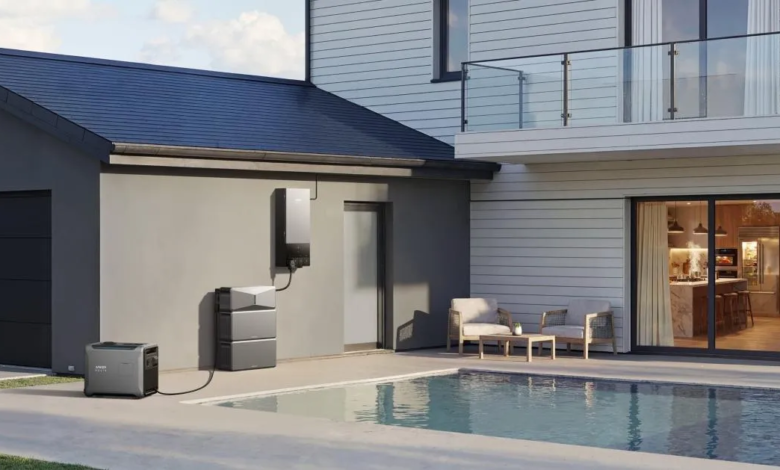
Hybrid charging gives homes reliable backup power by combining solar panels, batteries, and a generator into one smart system. When the grid fails or energy prices spike, your home keeps running without stress or guesswork. Systems like Anker SOLIX E10 offer three power sources and expandable battery storage up to 90kWh, plus support for 27kW solar and a generator extension, so runtime feels almost unlimited. Homeowners gain control over comfort, food safety, work continuity, and medical devices. This guide explains how hybrid systems work, key advantages, and real‑world uses so you can plan a dependable setup.
How Hybrid Charging Systems Work in Modern Homes?
Combining Solar Panels, Batteries, and Generators
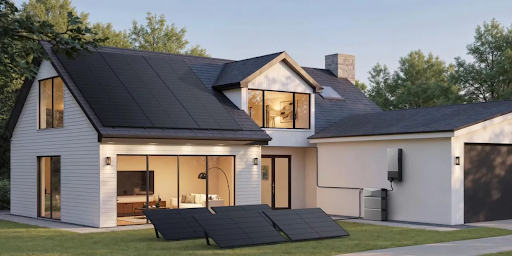
A hybrid setup starts with rooftop or ground‑mount solar panels that turn sunlight into electricity. A hybrid inverter converts that power for home use and charges a battery bank, such as an expandable system like Anker SOLIX E10. The battery stores extra energy for evening and outage use. A backup generator connects through a transfer switch or generator extension and steps in when solar and batteries cannot meet demand. The hybrid controller coordinates all three, so each source supports the others, and your home always has a ready power supply.
How Energy Flows Between Sources Automatically
The hybrid inverter constantly monitors solar production, battery state of charge, generator status, and household demand. During sunny hours, solar runs your loads first, then charges batteries. When solar drops, the system draws from the battery to keep appliances powered. If the battery reaches a low preset level and the grid is unavailable, the controller signals the generator to start and recharge the battery while serving critical loads. When levels recover, it shuts the generator down. Everything happens automatically based on priorities you or your installer configure.
Smart Switching During Power Outages
When the grid goes down, a hybrid system isolates your home from utility lines within milliseconds, preventing backfeed and protecting workers. The controller then prioritizes battery and solar power to keep essential circuits active. If clouds, night, or heavy loads threaten battery reserve, it commands the generator to start through a generator extension or auto‑start module. Once solar returns or demand drops, the system turns the generator off to save fuel. This rapid, automatic switching creates seamless backup power, so lights stay on even during long outages.
Key Benefits of a Hybrid Solar and Generator Setup
Continuous Power Supply During Long Outages
Hybrid charging shines during extended blackouts when a single backup source falls short. Solar alone stops at night, and a standalone generator burns fuel constantly. With a hybrid system, batteries cover short interruptions quietly, while solar refills them daily. When bad weather or heavy usage exceeds solar and battery capacity, the generator takes over and recharges storage. Systems like Anker SOLIX E10, with high‑capacity batteries and generator integration, can keep critical loads and even most of the home running for days or weeks, limited mainly by sun and fuel availability.
Reduced Fuel Consumption and Higher Efficiency
Because solar panels and batteries handle most daily energy needs, the generator runs far less in a hybrid system. The controller starts the generator only when necessary, often at optimal load levels where it burns fuel more efficiently. Once batteries recharge, it stops the engine, avoiding wasteful idling. Solar, especially at up to 27kW scale, can shoulder large daytime loads, leaving the generator as a backup, not a primary source. This smart sharing drastically cuts fuel use, emissions, noise, and wear on generator components over time, making hybrid systems a smarter evolution of traditional home generators for modern households.
Lower Energy Costs and Increased Independence
Hybrid charging lets homeowners shift away from full utility dependence. Solar covers much of the daytime load and can charge batteries when utility rates are low. Stored power then runs the home during peak rate windows, reducing bills. Over time, you buy less grid power and less fuel. Large battery capacity, such as up to 90kWh with Anker SOLIX E10 expansion, also supports more self‑consumption of your solar production. The result is lower monthly costs, fewer price shocks from the utility, and greater flexibility in how and when you use electricity.
Real-World Applications of Hybrid Charging Systems
Whole-Home Backup Power for Everyday Living
Many households use hybrid charging to protect daily routines from outages. The system powers refrigerators, lights, Wi‑Fi, HVAC, and medical devices without interruption. With larger battery banks like an expandable 90kWh Anker SOLIX E10 system and substantial solar input, you can back up nearly the entire home, not just a few circuits. Hybrid control prioritizes critical loads but can also support luxury loads, such as home offices, entertainment systems, or electric cooking. Residents notice a seamless transition when the grid drops, and life continues with minimal lifestyle compromise.
Off-Grid Living and Remote Energy Solutions
Remote cabins, farms, and off‑grid homes often rely on hybrid systems to avoid full dependence on fuel deliveries. Solar provides most of the energy throughout the year. High‑capacity batteries store surplus power, smoothing variations in weather. A generator stands by for long cloudy stretches, seasonal demand peaks, or heavy equipment use. By using smart management and ample storage, such as a modular system expandable to 90kWh, many off‑grid homeowners run the generator only occasionally. This setup cuts operating costs, noise, and environmental impact while delivering dependable power far from the grid.
Emergency Preparedness and Disaster Resilience
Hybrid charging plays a central role in emergency preparedness plans. During storms, wildfires, or grid failures, solar and batteries maintain critical systems: communication devices, sump pumps, freezers, and medical equipment. The generator adds another safety layer when sunlight is scarce or demand spikes. Systems that support high solar capacity, like 27kW arrays paired with large batteries, can stay operational even during prolonged crises. Residents can charge phones, run radios, and preserve food without constant refueling trips. This resilience reduces stress, supports shelter‑in‑place strategies, and buys time for recovery efforts.
Conclusion
A hybrid charging system that blends solar, batteries, and a generator gives homeowners a powerful mix of reliability, efficiency, and control. Solar handles everyday needs, batteries bridge gaps, and the generator ensures power during long or severe outages. Solutions such as Anker SOLIX E10, with expandable storage up to 90kWh, support for 27kW solar, and generator extension, show how flexible and scalable these systems can be. By planning a hybrid setup tailored to your home’s loads and risk profile, you strengthen energy independence, protect your comfort, and safeguard your family through routine disruptions and major emergencies alike.