

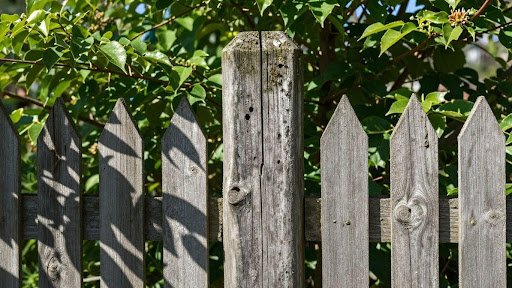
When picking a fence, its ability to last is a big deal. Several things play a role in how long your fence will stand strong against the elements and daily life. Thinking about these factors upfront helps you choose wisely.
Material Composition and Quality
The stuff your fence is made of matters a lot. High-quality materials resist wear and tear better. For example, thicker vinyl or treated wood holds up longer than cheaper versions. The quality of the material directly impacts its lifespan and resistance to damage.
Resistance to Environmental Conditions
Your fence will face sun, rain, wind, and maybe even snow. Some materials handle these conditions better than others. Think about how well the material resists rust, rot, or fading. A fence that can stand up to the weather means less worry for you.
Maintenance Requirements Over Time
How much work will your fence need to stay in good shape? Some fences need regular sealing or painting, while others just need a wash. Less maintenance usually means a longer-lasting fence with fewer headaches. A fence’s durability is often tied to how much upkeep it requires.
Evaluating Fence Material Lifespans
Wrought Iron and Steel Longevity
Wrought iron and steel fences are known for their sheer toughness. Wrought iron, in particular, can last a century or even more. It’s built to handle rough weather and general wear and tear. Steel, especially when galvanized and coated, offers similar strength and a lifespan of 50 to 75 years. These metal options are a solid choice if you’re looking for something that will stand for a very long time.
These materials are often chosen for their classic look and robust nature. While they can handle a lot, it’s important to remember that iron can rust if not properly maintained. Steel, with its protective coatings, fares better against the elements. Both are heavy-duty options for a long-lasting fence.
| Material | Estimated Lifespan | Maintenance Needs | Typical Cost/Foot |
| Wrought Iron | 50–100+ years | High | $30–$60 |
| Galvanized Steel | 50–75 years | Low–Medium | $25–$55 |
Vinyl and Aluminum Endurance
Vinyl and aluminum fences are popular for their low maintenance and good lifespan. Vinyl, made from PVC, can last 30 to 50 years. It doesn’t rot, rust, or get eaten by bugs, making it a pretty carefree option. Aluminum is similar, often lasting 40 to 70 years, and it also won’t rust, which is a big plus in damp or coastal areas. Both are good choices if you want a fence that looks good without a lot of upkeep.
These materials are great for homeowners who prefer to spend less time on fence care. A simple wash is usually all that’s needed. While they might not have the same brute strength as iron or steel, their resistance to environmental factors makes them a durable choice for many properties. The endurance of these materials is a key selling point.
- Vinyl: Resists rot, insects, and moisture.
- Aluminum: Does not rust, ideal for coastal areas.
- Maintenance: Typically requires only occasional cleaning.
Wood and Composite Lifespans
Wood fences, like cedar, can last 20 to 40 years, depending on the type of wood and how well it’s cared for. Pressure-treated pine might get you 15 to 25 years. Regular sealing and staining are key to getting the most out of a wood fence. Composite materials, a mix of wood fibers and plastic, offer a lifespan of 25 to 40 years. They mimic wood’s look but with better resistance to rot and insects.
Composite fencing is a good middle ground, offering a longer lifespan than many wood types with less maintenance. It’s a smart pick for those who like the look of wood but want something that holds up better over time. The lifespan of these materials can vary quite a bit based on installation and upkeep. Homeowners comparing composite options can look at eComposite’s wood plastic composite fencing, made from recycled plastic and reclaimed wood fibres, as a practical route to a longer lasting garden fence that keeps the wood-style look while reducing upkeep.
Choosing the right material means looking at how long it’s expected to last and what you’re willing to do to keep it in good shape. Some materials need more attention than others to reach their full potential lifespan.
Considering Climate and Location
Coastal Area Resilience
Living near the coast means dealing with salt spray and high humidity. These conditions can really wear down certain fence materials. For properties in these areas, aluminum and vinyl fencing are often top choices. They don’t rust or warp easily, making them a good fit for the salty air and dampness. Choosing materials that resist corrosion is key for long-term durability in coastal zones.
Harsh Weather Performance
Fences need to stand up to more than just a bit of rain. Think about strong winds, heavy snow, and even hail. Materials like steel, vinyl, and some types of treated wood are built to handle these tougher conditions. It’s not just about the material itself, but how it’s installed. Proper post depth and secure fittings help a fence stay put when the weather turns nasty. Considering the harsh weather performance of your chosen material will save you headaches later.
Impact of Sun and Snow
Intense sun can fade and degrade some materials over time, especially wood and certain plastics. Look for UV-resistant finishes or materials that naturally hold up better to constant sun exposure. Snow, on the other hand, can add significant weight and pressure. Fences need to be strong enough to bear this load without bending or breaking. The impact of sun and snow on your fence is a real factor in its lifespan.
The Role of Installation and Maintenance
Professional Installation Benefits
Getting a fence put in by pros makes a big difference. They have the right tools and know-how to set it up right the first time. This means your fence will stand strong and look good for longer. Professionals also know about local rules and soil types, which helps them build a fence that fits your yard perfectly. Plus, many warranties only count if a pro installs the fence, so it’s a smart move to protect your investment.
Proper installation is key to maximizing the lifespan and performance of your fence. It’s not just about digging holes and putting up posts; it’s about understanding how the ground, weather, and materials all work together. A poorly installed fence, no matter how good the material, is destined for early problems.
Think of it like building a house. You wouldn’t skimp on the foundation, right? The same applies to your fence. Professional installation ensures that foundation is solid, giving your fence the best possible start.
Essential Maintenance Practices
Even the toughest fences need a little TLC. Regular check-ups and cleaning go a long way in keeping your fence in top shape. Twice a year, give your fence a good look-over. Check for loose bits, wobbly posts, or any signs of trouble like rot or rust. A quick wash with a hose or a gentle scrub can keep dirt and grime from causing damage.
- Inspect for loose hardware.
- Look for signs of rot or insect damage.
- Check that posts are still standing straight.
Keeping plants trimmed back from the fence is also a good idea. Vines and branches can trap moisture, which leads to decay over time. Taking care of these small things means your fence will last much longer.
Regular maintenance isn’t just about looks; it’s about preventing small issues from becoming big, expensive problems down the road. It’s a proactive approach to fence care.
Protecting Fence Posts for Longevity
Fence posts are the backbone of your fence, so keeping them strong is super important. The ground they sit in can cause issues over time. Water can seep in, leading to rot or rust, especially for wood or metal posts. Making sure posts are set correctly, often with concrete or gravel, helps water drain away.
For wood posts, using treated lumber or applying a sealant can add a protective layer. Metal posts might need a rust-inhibiting primer. Regularly checking the base of the posts for any signs of weakness or decay is a smart move. This simple step can prevent a whole section of fence from failing.
If you notice any leaning or instability, address it right away. A wobbly post can put stress on the rest of the fence. Fixing it early saves you from a much bigger repair job later on. Good post protection is a big part of fence durability.
Cost-Effectiveness of Durable Fencing
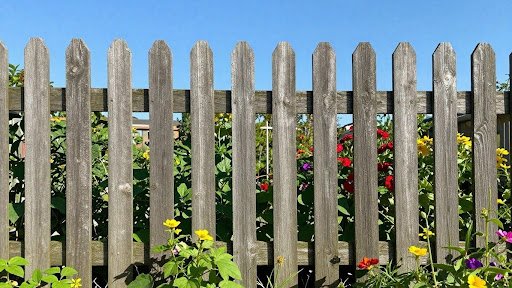
Initial Investment Versus Long-Term Savings
When looking at fencing, it’s easy to get caught up in the upfront price. But a fence that costs more initially often saves money down the road. Think of it like buying a good pair of shoes versus cheap ones; the expensive ones last much longer and feel better.
Materials like vinyl, aluminum, or high-quality composite fencing usually have a higher sticker price. This is because they’re built to last. Professional installation, while an added cost, also contributes to the fence’s longevity, preventing future issues that could cost more to fix.
The true value of a fence is measured over its entire lifespan, not just its purchase price. This long-term perspective is key to making a smart choice for your property.
Calculating Total Cost of Ownership
To really understand the financial picture, you need to look at the total cost of ownership. This means adding up the initial price, any maintenance or repair costs, and then dividing that by how many years the fence is expected to last.
For example, a basic wood fence might cost less to put up, but if it needs replacing every 15 years and requires annual staining, its lifetime cost can add up quickly. A more durable option, even with a higher starting cost, might only need replacing once in 30 years and requires minimal upkeep.
Here’s a simple way to think about it:
- Initial Cost: What you pay upfront.
- Maintenance Costs: Annual or periodic expenses for upkeep.
- Repair Costs: Money spent fixing damage.
- Replacement Costs: The price of a new fence when the old one wears out.
Reducing Repair and Replacement Expenses
Durable fencing significantly cuts down on the need for frequent repairs and replacements. Materials that resist rot, rust, and weather damage simply don’t break down as easily.
This means fewer emergency calls to fix a broken section after a storm or replace rotting posts. It also means less time and money spent on upkeep like painting or sealing.
Investing in a fence that stands up to the elements and daily wear and tear is an investment in peace of mind and predictable budgeting for your home.
Enhancing Property Value with Fencing
Curb Appeal and Aesthetics
A well-chosen fence does more than just mark boundaries; it significantly boosts your home’s visual appeal. Think of it as the frame for your property’s picture. A durable fence, whether it’s the classic look of wrought iron or the clean lines of vinyl, makes a strong first impression. This initial visual impact is what potential buyers often notice first, and it can set a positive tone for their entire viewing experience. A fence that looks good and is built to last adds a touch of polish that can make your home stand out in a crowded market.
Security and Privacy Benefits
Beyond looks, a sturdy fence provides practical benefits that add real value. It offers a sense of security, keeping children and pets safely within your yard and deterring unwanted visitors. The privacy it affords is also a major selling point, creating a personal sanctuary where you can relax without feeling observed. These functional aspects are not just about comfort; they are tangible improvements that homeowners are willing to pay for, making your property more desirable and potentially increasing its market value.
Return on Investment Considerations
Investing in a durable fence is often about long-term savings and value. While the initial cost might be higher for quality materials, the reduced need for repairs and replacements over time means a lower total cost of ownership. Many homeowners find that a good fence can recoup a significant portion of its cost when they decide to sell. This makes a durable fence not just an expense, but a smart investment that pays dividends through increased property appeal, security, and eventual resale value. It’s about building something that lasts and adds lasting worth to your home.
Wrapping Up Your Fence Choice
So, picking out a fence isn’t just about what looks good right now. It’s really about thinking ahead. You’ve seen how different materials stack up when it comes to lasting a long time, how much work they need, and what they cost over the years. Whether you’re leaning towards something super tough like wrought iron, easy-care like vinyl, or a natural look with wood, the main thing is to match it to your home and how you plan to use your yard. Taking the time to figure out what matters most – be it durability, low maintenance, or budget – means you’ll end up with a fence that you’re happy with for a long, long time. It’s an investment in your property, so make it a smart one.