

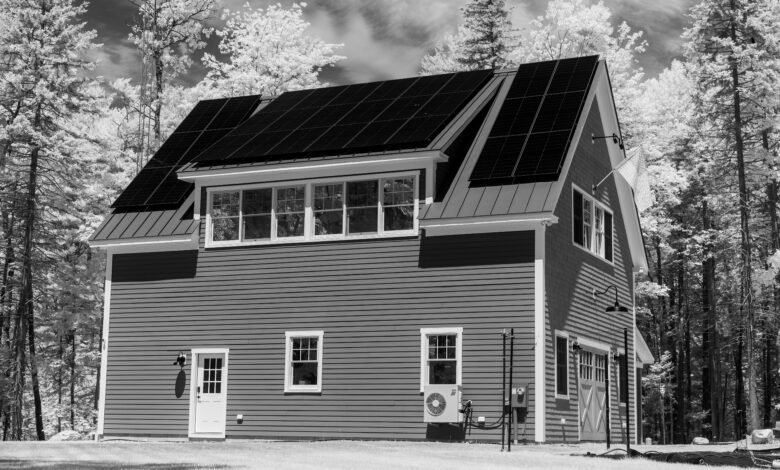
Building an energy-efficient home requires careful planning and strategic decision-making, particularly when managing the demands of a busy household. Balancing immediate construction costs with long-term energy savings becomes essential while ensuring the home meets practical needs of daily family life. Energy-efficient design extends far beyond simply installing solar panels or upgrading insulation, it encompasses a holistic approach to how the home functions as a complete system. When efficiency gets prioritized from the initial planning stages, the result is a living space that reduces utility bills, minimizes environmental impact, and provides superior comfort year, round. The investment made in energy-efficient features today continues paying dividends for decades to come.
Strategic Site Selection and Home Orientation
The location and orientation of a home form the foundation of energy efficiency long before construction begins. Positioning the home to maximize natural light exposure during winter months while minimizing excessive heat gain during summer creates immediate benefits. South-facing windows can capture warming sunlight in colder seasons, reducing heating demands when the household is most active during mornings and evenings. Prevailing winds interact with the building site in ways that enhance natural ventilation and reduce cooling costs during warm weather when properly considered. The surrounding landscape plays a crucial role in energy performance, with existing trees providing valuable shade in summer while allowing sunlight through bare branches in winter. Working with the natural characteristics of the site rather than against them creates a home that leverages environmental conditions to maintain comfortable temperatures with minimal mechanical intervention.
High-Performance Building Envelope Design
The building envelope serves as the primary barrier between conditioned interior spaces and external weather conditions, making superior insulation and air sealing essential. Investing in continuous insulation eliminates thermal bridges where heat can escape or enter through structural elements like studs and joists. Advanced framing techniques reduce the amount of lumber used while creating more space for insulation materials, improving overall thermal performance without significantly increasing costs. High-performance windows with low-emissivity coatings and multiple panes dramatically reduce heat transfer while maintaining natural light levels needed throughout the day.
Efficient Mechanical Systems and Smart Technology
Selecting the right heating, cooling, and ventilation systems ensures the home operates efficiently while meeting the varying demands of a busy household schedule. High-efficiency heat pumps provide both heating and cooling functions with significantly lower energy consumption than traditional furnace and air conditioner combinations. When designing an energy-efficient home, working with a qualified Denver architect who understands sustainable building principles ensures mechanical systems are properly sized to match the home’s actual heating and cooling loads. Smart thermostats learn household patterns and automatically adjust temperatures based on occupancy and time of day, optimizing comfort while minimizing energy use. Energy recovery ventilators maintain indoor air quality by exchanging stale indoor air with fresh outdoor air while transferring heat between the two streams, preventing energy loss. When these technologies get integrated thoughtfully, they work together as a coordinated system rather than isolated components, multiplying their individual efficiency benefits and adapting seamlessly to changing daily routines.
Water Heating and Appliance Selection
Water heating typically accounts for a substantial portion of household energy consumption, making it a prime target for efficiency improvements in new construction. Heat pump water heaters extract warmth from ambient air to heat water with two to three times the efficiency of conventional electric resistance models. Tankless water heaters provide hot water on demand without maintaining a large tank at constant temperature, though they require careful sizing to meet simultaneous demands from multiple fixtures during busy morning routines. Energy-efficient appliances throughout the home contribute to overall efficiency goals, with ENERGY STAR certified models offering significant improvements when selecting refrigerators, dishwashers, washing machines, and dryers. Installing low-flow fixtures and aerators reduces hot water consumption without sacrificing performance, an important consideration when multiple household members need to shower and prepare for their days. According to the U. S. Department of Energy, water heating can represent 14-18 percent of utility bills, making these investments particularly impactful for long-term savings. The greatest benefits come from combining efficient water heating equipment with conservation measures that reduce overall demand throughout daily activities.
Lighting Design and Renewable Energy Integration
Thoughtful lighting design balances energy efficiency with the practical illumination needs of a household with varied schedules and activities. Planning for abundant natural light through strategic window placement and open floor plans allows daylight to penetrate deep into interior spaces. LED lighting technology has revolutionized residential lighting efficiency, using approximately 75 percent less energy than incandescent bulbs while lasting significantly longer and reducing maintenance demands. Layered lighting approaches with task, ambient, and accent fixtures allow for illumination of only the areas in use rather than flooding entire rooms with unnecessary light.
Conclusion
Building an energy-efficient home for a busy household requires integrating multiple strategies that work together to minimize energy consumption while maximizing comfort and functionality. This process must be approached systematically, addressing everything from site selection and building envelope performance to mechanical systems and renewable energy integration. The upfront investment in efficiency features pays continuous dividends through reduced utility bills, improved indoor comfort, and decreased environmental impact over the home’s lifetime. Thoughtful planning today creates a resilient, comfortable living environment that adapts to household needs while operating at peak efficiency. Committing to energy efficiency from the earliest planning stages builds a home that serves the family well while contributing to a more sustainable future.
Author Bio
Noor works with website owners, businesses, and digital agencies to secure quality guest posting and content placement opportunities across a variety of niches. Those interested in publishing articles, acquiring backlinks, or exploring collaboration opportunities can reach out at articles.noor@gmail.com. Through strategic outreach and content marketing, Noor helps brands improve their online visibility and search engine presence.