

Table of Contents
- Understanding Holistic Recovery
- Key Components of Holistic Approaches
- Benefits of Holistic Recovery Methods
- Integrating Holistic Therapies with Traditional Treatments
- Evidence Supporting Holistic Approaches
- Challenges and Considerations
- Final Thoughts
Substance use disorders (SUDs) profoundly affect individuals physically, emotionally, and spiritually. Conventional rehabilitation programs predominantly focus on detoxification and therapy. However, a growing number of people are exploring holistic recovery treatments alongside these options. By attending to the whole person, holistic recovery offers a more personalized and transformative path to healing. For those seeking options beyond traditional approaches, exploring IOP in Boston can be particularly valuable as part of a holistic recovery plan.
The holistic approach prioritizes the interconnectedness of physical, mental, and spiritual health. This wellness-focused strategy emphasizes the need to address nutritional, psychological, and lifestyle factors that contribute to long-term sobriety and well-being. While conventional methods can play a significant role, holistic recovery offers a more comprehensive and compassionate perspective for those navigating the challenges of addiction.
Understanding Holistic Recovery
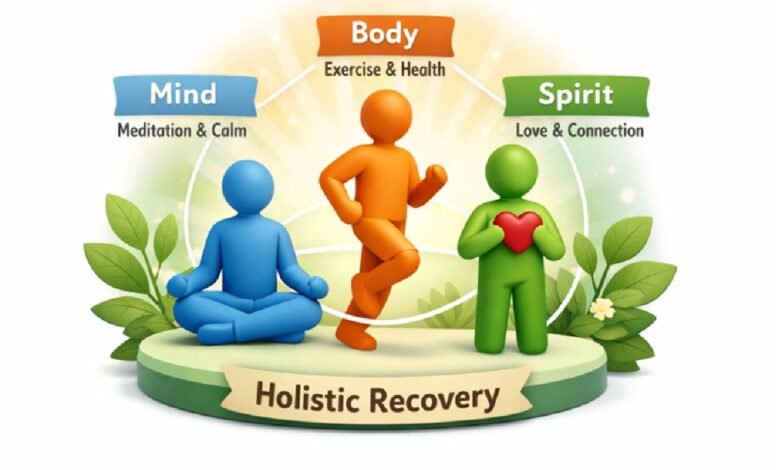
Holistic recovery is rooted in the belief that healing from substance use disorders must encompass all aspects of an individual’s life. Instead of merely targeting abstinence or managing withdrawal symptoms, this approach strives to restore balance across mind, body, and spirit. Managing triggers, building resilience, and nurturing a healthier lifestyle form the foundation of this method.
Holistic recovery plans may include therapeutic practices, lifestyle changes, and alternative treatments. These components help address deep-seated trauma, emotional distress, and unhealthy coping mechanisms. Holistic recovery views addiction as a complex condition that demands a multifaceted, supportive, and non-judgmental response.
Key Components of Holistic Approaches
Effective holistic recovery programs weave together multiple therapies and lifestyle shifts. Common elements include the following:
- Mindfulness and Meditation:Building self-awareness and inner peace to manage cravings and emotional fluctuations.
- Physical Exercise:Incorporating yoga, running, or aerobic workouts to boost mood and reduce relapse risk.
- Nutritional Counseling:Promoting healthy eating habits to repair the body and optimize mental health.
- Art and Music Therapy:Providing creative outlets for self-expression and emotional processing.
- Acupuncture and Massage:Relieving physical tension and promoting relaxation during periods of stress and withdrawal.
Each component serves a unique role in recovery. Meditation can reduce anxiety and help break old habits, while nutritional support aids in restoring energy and resilience. Physical activity and creative therapies foster well-being and self-discovery, giving individuals renewed hope and purpose.
Benefits of Holistic Recovery Methods
- Comprehensive Healing:Holistic methods are designed to get to the root causes of addiction. This means focusing on emotional, spiritual, and practical triggers, rather than just managing outward symptoms.
- Improved Mental Health:Mindfulness, meditation, and creative therapies can reduce symptoms of anxiety and depression, which often accompany SUDs.
- Enhanced Physical Health:Proper nutrition and regular exercise help reverse the physical damage caused by addiction and support lasting recovery.
- Personal Empowerment:Holistic recovery encourages individuals to take control of their own journey, build positive coping strategies, and foster a sense of agency.
Integrating Holistic Therapies with Traditional Treatments
Blending holistic and traditional modalities can enhance recovery outcomes by providing a broader toolkit for dealing with the complexities of addiction. For example, mindfulness-based practices can complement established therapies such as cognitive-behavioral therapy, offering practical ways to handle cravings and triggers in everyday life. This integration ensures that the physiological, psychological, and social aspects of recovery are addressed to achieve more sustainable outcomes. According to the World Health Organization, addressing mental health is crucial in supporting substance use recovery.
Evidence Supporting Holistic Approaches
Scientific evidence continues to accumulate around the benefits of holistic recovery for substance use disorders. A study published by the World Health Organization highlights the importance of addressing mental health in support of substance use recovery. Further, a recent scoping review protocol emphasizes that holistic interventions for alcohol use disorder support improved well-being and resilience in recovery.
Challenges and Considerations
- Accessibility:Barriers such as cost, location, and lack of holistic service providers may limit who can access these therapies.
- Standardization:Not all holistic therapies are equally researched or standardized, making it important for individuals to choose evidence-supported options.
- Integration:Coordinating traditional and holistic therapies can be complex and may require careful planning and a multidisciplinary team to ensure continuity of care.
Despite these obstacles, more treatment centers are embracing integrated models, making holistic therapy accessible to a greater number of people.
Final Thoughts
Holistic recovery strategies offer a compassionate and multi-dimensional approach to treating substance use disorders. By integrating therapies that address the mind, body, and spirit, holistic recovery empowers individuals to take ownership of their healing journey. When combined with traditional treatments, these approaches address both the symptoms and the deeper causes of addiction, leading to more lasting and meaningful recovery outcomes.