

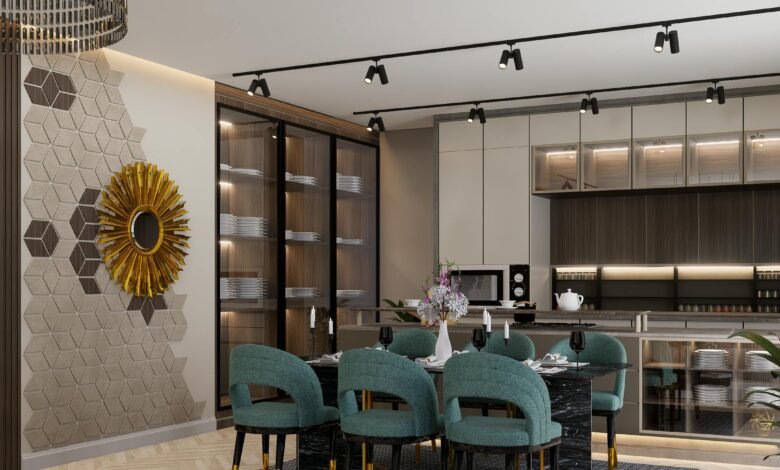
Understanding What Makes a Space Truly Functional
Creating a functional living space begins with understanding how people actually use their homes on a daily basis. A well‑designed room supports movement, comfort, and convenience without feeling cluttered or overwhelming. Designers often start by evaluating traffic flow, identifying areas where people naturally gather, and determining which features are essential for daily routines. This approach helps ensure that every piece of furniture and every design choice serves a purpose. Functionality also includes storage solutions that keep items organized and accessible. When a space is designed with intention, it becomes easier to maintain and more enjoyable to live in.
Balancing Aesthetics With Practicality
A beautiful home is not just visually appealing; it also feels comfortable and intuitive to navigate. Achieving this balance requires thoughtful choices about color, texture, and layout. Designers often use neutral palettes as a foundation, then introduce accents that reflect the homeowner’s personality. Practicality comes into play when selecting materials that are durable, easy to clean, and suitable for the home’s lifestyle. For example, families with children may choose performance fabrics, while minimalists may prefer sleek, low‑maintenance surfaces. The goal is to create a space that looks polished while still supporting everyday living. When aesthetics and practicality work together, the result is a home that feels both stylish and livable.
Using Layout to Enhance Comfort and Flow
The layout of a room has a major impact on how comfortable and functional it feels. Designers consider how people move through the space, where natural light enters, and how furniture placement affects the overall atmosphere. A well‑planned layout encourages relaxation, conversation, and productivity depending on the room’s purpose. For example, living rooms benefit from seating arrangements that promote interaction, while bedrooms require layouts that support rest and calm. Designers also pay attention to scale, ensuring that furniture fits the room without overwhelming it. When the layout is intentional, the space feels harmonious and easy to use.
Incorporating Materials That Support Daily Living
Materials play a crucial role in creating spaces that are both functional and beautiful. Natural materials such as wood, stone, and linen add warmth and texture, while modern materials like metal and glass provide contrast and structure. Designers often mix these elements to create depth and visual interest. Durability is also important, especially in high‑traffic areas like kitchens and living rooms. Choosing materials that age gracefully helps maintain the home’s appearance over time. Thoughtful material selection ensures that the space remains comfortable, practical, and visually appealing for years to come.
The Influence of San Francisco Interior Designers
Many homeowners look to San Francisco interior designers for inspiration because of their ability to blend functionality with refined, modern aesthetics. These designers are known for creating spaces that feel effortless, balanced, and deeply connected to their surroundings. Their work often incorporates natural materials, clean lines, and thoughtful layouts that maximize both beauty and usability. They prioritize comfort without sacrificing sophistication, resulting in homes that feel curated yet welcoming. Their design philosophy emphasizes harmony, intentionality, and a strong sense of place. This influence has shaped national trends and encouraged more homeowners to embrace designs that support both style and everyday living.
Conclusion
Designing functional and beautiful living spaces requires a thoughtful approach that blends practicality with aesthetic appeal. By focusing on layout, materials, and daily habits, homeowners can create environments that feel comfortable, organized, and visually cohesive. When functionality and beauty work together, the home becomes a place that supports well‑being and reflects personal style. With careful planning and inspiration from skilled designers, any space can be transformed into a harmonious and inviting retreat.