

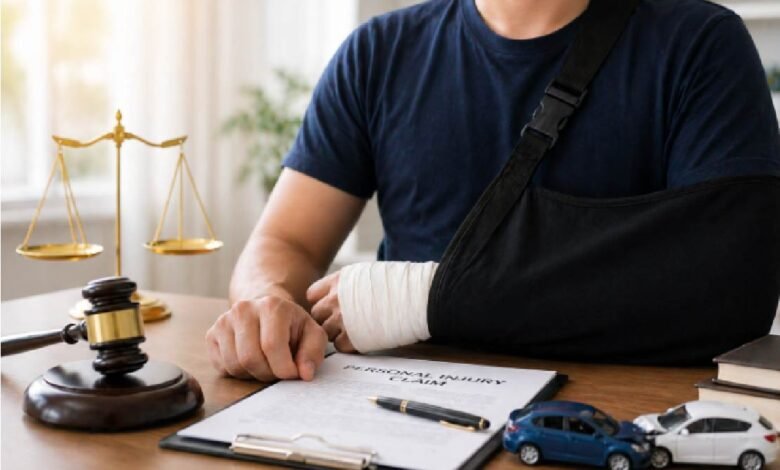
Accidents can change your life in an instant. While some injuries heal over time, others can lead to long-term or even permanent limitations that affect your ability to work, move, or carry out daily activities.
This is where Personal Injury & Disability claims become important. They are designed to help individuals recover compensation and support when injuries have a lasting impact on their lives.
What Is Personal Injury?
Personal injury refers to harm caused to your body, mind, or emotions due to someone else’s negligence.
Common examples include:
- Motor vehicle accidents
- Workplace injuries
- Slip and fall incidents
- Medical negligence
In these cases, the injured person may be entitled to compensation for medical expenses, lost income, and pain and suffering.
If you’re unsure how fault plays a role in these cases, it’s helpful to understand the process in more detail here:
What Is a Disability Claim?
A disability claim focuses on the long-term effects of an injury.
When an injury prevents you from working or significantly limits your daily life, you may qualify for disability benefits.
There are two main types:
1. Short-Term Disability
Provides temporary income support while you recover from an injury or illness.
2. Long-Term Disability
Applies when your condition prevents you from returning to work for an extended period—or permanently.
How Personal Injury and Disability Are Connected
Not all injuries lead to disability—but when they do, your case becomes more complex.
For example:
- A car accident may result in chronic pain
- A workplace injury could limit mobility
- A fall might cause long-term nerve damage
In these situations, you may pursue both:
- A personal injury claim (against the responsible party)
- A disability claim (for ongoing financial support)
What Compensation Can Cover
In Personal Injury & Disability cases, compensation may include:
- Medical treatment and rehabilitation
- Lost wages and reduced earning capacity
- Pain and suffering
- Assistive devices or home modifications
- Ongoing care and support
The goal is to help you maintain stability and quality of life after an injury.
Why Evidence Is Still Critical
Just like proving fault in an accident, evidence plays a key role in disability-related claims.
Important documentation includes:
- Medical records and diagnoses
- Doctor’s reports on limitations
- Work history and income records
- Statements about how the injury affects daily life
The stronger your documentation, the better your chances of a successful claim.
Challenges You May Face
Many people assume that getting compensation is straightforward—but that’s not always the case.
Common challenges include:
- Insurance companies disputing claims
- Difficulty proving long-term impact
- Delays in processing disability benefits
- Pressure to return to work too early
Understanding your rights can help you avoid these pitfalls.
When to Seek Legal Help
Legal support becomes important when:
- Your injury is serious or long-term
- Fault is disputed
- Your claim is denied or undervalued
- You’re unsure how to handle insurance companies
A personal injury lawyer can guide you through both injury and disability claims, ensuring your case is handled properly.
Taking the Right Steps After an Injury
If you’ve been injured, consider these steps:
- Seek medical attention immediately
- Document everything (photos, reports, expenses)
- Avoid making statements without understanding your rights
- Keep records of how the injury affects your daily life
- Consult a professional if the situation becomes complex
Early action can make a big difference in your outcome.
Final Thoughts
Personal Injury & Disability cases are not just about compensation—they’re about protecting your future.
An injury can affect your health, your income, and your independence. Understanding how these claims work gives you the confidence to take the right steps and make informed decisions.