
What Makes a UPS Truck Accident Different From a Standard Commercial Truck Crash

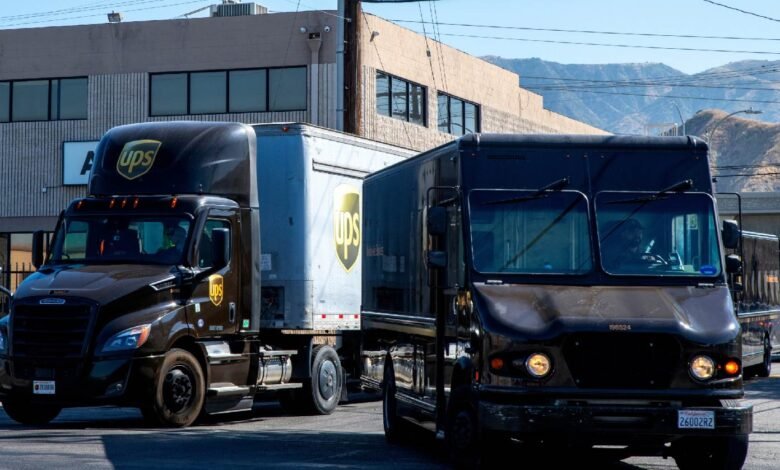
Most people who are hit by a delivery truck think of it the way they would think of being hit by any large vehicle. The size, the force, and the injuries may be similar. But the defendant on the other side of a UPS accident claim is not a small independent carrier with a handful of trucks and a single commercial insurance policy. UPS is one of the largest corporations in the world, with its own internal legal department, its own accident investigation protocols, and a claims management system that activates within hours of a serious crash. The injured person on the other side of that infrastructure needs someone who understands what they are dealing with.
A UPS truck accident attorney from Billy Johnson Law Firm knows how corporate carrier claims work, what evidence UPS generates internally, and how to build a case that matches the resources on the other side of the claim.
How UPS Responds to Serious Accidents
UPS has a structured accident response protocol. When a driver reports a serious crash, the company’s safety team and legal department are notified. In significant injury cases, outside defense counsel may be retained before the injured person has been discharged from the hospital. The internal investigation begins immediately: the driver’s account is documented, onboard data is reviewed, and the company begins building its record of what happened from its own perspective.
None of this is improper. It is how a well-organized corporation manages its legal exposure. But it means the injured person who waits days or weeks to seek legal help is allowing that record to be built without any input from the other side. By the time a lawyer gets involved, the insurer’s version of events is already well-established in the claim file.
What Evidence a UPS Delivery Route Generates
UPS delivery vehicles are among the most thoroughly monitored commercial vehicles on American roads. Onboard GPS systems track the vehicle’s location, speed, and stops throughout the route in real time. Telematics systems monitor braking events, acceleration patterns, and vehicle behavior. Many UPS vehicles are equipped with dashcams or exterior cameras. And the driver’s electronic log, if the vehicle is large enough to require one under FMCSA rules, documents the hours-of-service history for the days before the crash.
All of this data is held by UPS, not by the injured person. Obtaining it requires formal legal process, and preserving it before routine data retention schedules eliminate it requires a litigation hold served on UPS promptly after the crash. The window for that hold is narrow, and the evidence it captures can be the most important material in the entire case.
Employment Status and Why It Matters
UPS drivers are employees of UPS, not independent contractors. This distinction matters enormously for the liability analysis. Because UPS drivers are employees acting within the scope of their employment, UPS is directly liable for the driver’s negligence under the doctrine of respondeat superior. There is no argument that the driver was an independent operator whose negligence is their own problem. The corporate entity is the employer, and the employer is responsible.
This is different from the situation with many rideshare and gig economy delivery services that classify their drivers as independent contractors to limit corporate liability. With UPS, that limitation does not apply, and the deep pockets that come with corporate employment liability are available to satisfy a judgment or a settlement that reflects the actual damages.
Building the Case Against a Corporate Defendant
Some steps that matter when the defendant is a large corporation rather than an individual driver:
- Contact legal counsel within 24 hours so a litigation hold can be served on UPS before its data retention schedule eliminates relevant records
- Document the UPS vehicle’s identification number, the driver’s name, and the route information at the scene
- Seek medical evaluation immediately even if injuries feel manageable, and maintain consistent care throughout recovery
- Avoid any communication with UPS’s claims team or legal department without representation in place
The Federal Motor Carrier Safety Administration’s commercial carrier regulations govern the operational standards that UPS vehicles must meet, including the hours-of-service requirements, vehicle inspection obligations, and cargo securement standards that apply to commercial delivery operations throughout Kentucky.