
Paver Lighting: Enhancing Outdoor Spaces with Style, Safety, and Subtle Illumination

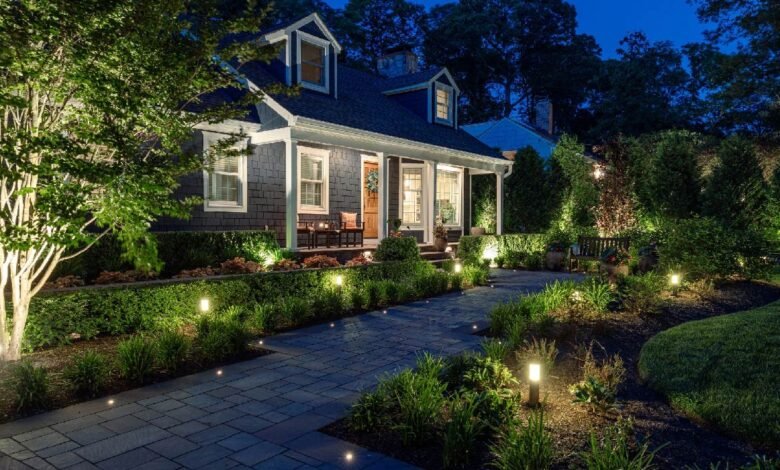
Outdoor design has evolved far beyond simple landscaping and hardscaping. Today, homeowners and designers aim to create spaces that are not only functional but also visually striking after sunset. One of the most effective yet often underappreciated ways to achieve this transformation is through paver lighting. Seamlessly integrated into walkways, driveways, patios, and garden paths, this form of lighting enhances both aesthetics and safety without disrupting the natural flow of outdoor design.
Unlike traditional lighting fixtures that stand apart from the surface, paver lighting is embedded directly within or alongside paving stones. This allows light to emerge from ground level, creating a soft glow that guides movement, highlights architectural features, and elevates the overall atmosphere of an outdoor space.
Understanding What Paver Lighting Is
Paver lighting refers to low-profile lighting systems designed to be installed within or between paving stones. These lights are typically LED-based due to their energy efficiency, durability, and long lifespan. They are engineered to withstand outdoor conditions such as rain, temperature fluctuations, and foot traffic.
The goal is not to overpower the space with brightness but to provide subtle illumination that blends seamlessly into the surrounding surface. This creates a refined and modern appearance while maintaining practical visibility during nighttime use.
How Paver Lighting Works in Outdoor Design
The concept behind paver lighting is simple yet highly effective. Light fixtures are installed at ground level, either embedded within the pavers themselves or placed in joints between them. Once activated, they emit a controlled glow that spreads across the surface.
This lighting can be connected to timers, motion sensors, or smart home systems, allowing for automated control. Some setups are designed to remain softly illuminated throughout the night, while others activate only when movement is detected, improving both energy efficiency and security.
Because the lighting is integrated into the hardscape rather than added on top of it, the result is a clean, uncluttered design that enhances the visual appeal of the entire space.
The Aesthetic Value of Paver Lighting
One of the most compelling reasons people choose paver lighting is its ability to transform the mood of outdoor environments. During the day, pavers may appear purely functional, forming pathways or patios. At night, however, integrated lighting brings them to life.
Soft illumination can create dramatic effects by outlining walkways, highlighting garden edges, or emphasizing geometric patterns in the paving design. This subtle glow adds depth and dimension to outdoor spaces, making them feel more inviting and visually dynamic.
For entertainment areas such as patios or poolside decks, paver lighting enhances ambiance by providing a warm and welcoming atmosphere without the harshness of overhead lights.
Safety and Practical Benefits
Beyond aesthetics, paver lighting plays a crucial role in improving outdoor safety. Poorly lit walkways and driveways can pose risks such as tripping hazards or difficulty navigating steps and uneven surfaces. Ground-level lighting helps eliminate these risks by clearly defining pathways.
Driveways benefit significantly from this type of illumination, especially in residential properties where visibility is essential for both pedestrians and vehicles. Similarly, garden paths and stairs become safer and more accessible at night.
Because the lights are evenly distributed along the surface, they provide consistent visibility without creating harsh shadows or overly bright spots that can strain the eyes.
Energy Efficiency and Sustainability
Most modern paver lighting systems use LED technology, which consumes significantly less energy compared to traditional lighting solutions. LEDs also generate less heat and have a much longer operational lifespan, making them a cost-effective choice over time.
Many systems can be paired with solar power, further reducing energy consumption. Solar-powered paver lights charge during the day and automatically illuminate at night, offering a fully sustainable lighting solution for outdoor spaces.
This combination of efficiency and sustainability makes paver lighting an environmentally responsible choice for homeowners looking to reduce their energy footprint while enhancing their landscape design.
Installation Considerations
Installing paver lighting requires careful planning to ensure both functionality and durability. The process typically begins during the construction or renovation of a hardscape surface. Wiring, fixtures, and layout design must be considered before the pavers are fully set in place.
For retrofit projects, some lighting systems are designed to be inserted into existing gaps or drilled into pre-installed pavers. However, integrated installation during the initial build tends to produce cleaner and more durable results.
Proper drainage is also essential. Since these lights are exposed to outdoor conditions, water management systems must be in place to prevent damage or electrical issues over time.
Design Flexibility and Customization
One of the strongest advantages of paver lighting is its design flexibility. It can be used in a wide range of outdoor settings, from modern minimalist patios to traditional garden pathways.
Homeowners can choose from different light colors, intensities, and patterns to match their design vision. Warm white lighting creates a cozy and inviting atmosphere, while cooler tones offer a more contemporary and sleek appearance.
Lighting placement can also be customized to achieve different effects. Linear arrangements along walkways create a guiding path, while scattered installations in patios or garden areas produce a more artistic and decorative look.
Well-designed outdoor lighting can significantly increase the perceived value of a property. Paver lighting contributes to this by enhancing curb appeal and making outdoor spaces more functional and attractive.
A well-lit exterior gives the impression of a well-maintained and thoughtfully designed home. This can be particularly beneficial for homeowners considering resale, as outdoor aesthetics often influence buyer interest and first impressions.
In addition, improved safety and usability of outdoor areas add practical value that extends beyond visual appeal.
Maintenance and Durability
Paver lighting systems are generally low-maintenance, especially when high-quality materials are used. LED fixtures are known for their long lifespan, often lasting tens of thousands of hours before needing replacement.
Routine maintenance typically involves cleaning the surface of the pavers to ensure light output is not obstructed by dirt or debris. Occasional inspection of wiring and connections is also recommended, particularly in high-traffic areas.
Because these systems are designed to be embedded within durable paving materials, they are generally well-protected from physical damage when properly installed.
Weather Resistance and Outdoor Performance
Outdoor lighting must withstand a variety of environmental conditions, including rain, heat, cold, and physical pressure. Paver lighting is specifically engineered for these challenges.
Most systems are waterproof and sealed to prevent moisture intrusion. They are also built to resist temperature fluctuations and UV exposure, ensuring consistent performance throughout the year.
In regions with heavy rainfall or seasonal changes, proper installation becomes even more important to ensure long-term reliability.
Common Applications of Paver Lighting
Paver lighting is used in a wide range of outdoor environments. Residential applications include driveways, garden paths, patios, pool decks, and backyard entertainment areas. It helps create a cohesive and visually appealing outdoor living space.
In commercial settings, it is often used in hotel walkways, resort landscapes, public plazas, and retail environments. These installations enhance safety while also contributing to a premium aesthetic experience.
Municipal spaces such as parks and pedestrian walkways also benefit from this type of lighting, as it improves nighttime visibility without overwhelming the natural environment.
Modern lighting systems are increasingly integrated with smart technology. Paver lighting can now be controlled through mobile apps, home automation systems, or voice-activated devices.
This allows users to adjust brightness levels, set schedules, or activate motion-based lighting depending on their needs. Smart integration not only improves convenience but also enhances energy efficiency by ensuring lights are used only when necessary.
Some systems even allow color customization, enabling users to change lighting tones for different occasions or seasonal themes.
Challenges and Limitations
Despite its many benefits, paver lighting does come with certain challenges. Installation can be more complex and costly compared to traditional outdoor lighting, especially when integrated into existing hardscapes.
Additionally, if not properly installed, repairs can be more complicated because fixtures are embedded within the paving structure. This makes initial planning and professional installation particularly important.
Another consideration is light intensity. Since paver lighting is designed to be subtle, it may not be sufficient as a primary lighting source in very dark environments and is often best used as part of a layered lighting design.
The future of paver lighting is closely tied to advancements in smart technology, renewable energy, and material innovation. As LED efficiency continues to improve and solar integration becomes more advanced, these systems are expected to become even more accessible and sustainable.
We are also likely to see increased customization options, allowing homeowners and designers to create highly personalized lighting environments. From adaptive brightness systems to responsive color-changing surfaces, the possibilities continue to expand.
Final Thoughts
Paver lighting represents a powerful blend of functionality and design. It enhances safety, improves aesthetics, and adds a modern touch to outdoor spaces without overwhelming the natural environment. Whether used in residential landscapes or commercial settings, it provides a subtle yet impactful way to transform how outdoor areas are experienced after dark.
By combining energy efficiency, durability, and visual appeal, paver lighting continues to redefine outdoor illumination and remains an increasingly popular choice for thoughtful landscape design