

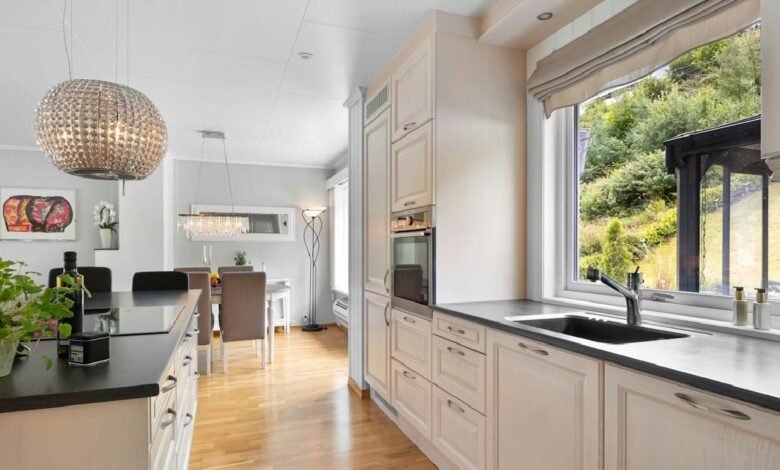
Most people walk into their kitchen every morning on autopilot, but that doesn’t mean the space works well. You might be reaching across the counter for coffee, bumping into cabinet doors, or dealing with poor lighting before you’ve even had your first sip. These small frustrations add up quickly. A kitchen that supports your routine can change how your entire day starts. It feels easier to move around, easier to cook, and easier to stay organized.
Once your kitchen starts working with you instead of slowing you down, mornings become less stressful and a lot more enjoyable.
Understanding How You Actually Use Your Kitchen
Before changing anything, take a close look at how you use your kitchen every morning. Pay attention to the steps you repeat without thinking. Maybe you go straight to the coffee maker, then to the fridge, then back to the counter. If those areas are far apart or blocked, you’re wasting time and energy. Notice what feels annoying. That might be limited space near the sink or having to open multiple cabinets just to find one item. These patterns show you what needs fixing. When you design around your real routine, everything starts to feel smoother without requiring extra effort.
Choosing Surfaces That Make Life Easier
Materials affect how your kitchen feels every single day. Some surfaces look great but require constant cleaning or careful handling. That can quickly become frustrating. Choose countertops and finishes that are easy to maintain and can handle regular use. For example, surfaces that resist stains and scratches save time and effort over the long run. Flooring should also be comfortable to stand on and simple to clean. When upgrading sinks or countertops, this is also a good time to work with plumbing remodeling services.
They can handle fixture installation like sinks and faucets, connect appliances such as dishwashers and refrigerators, design custom layouts for added features like kitchen islands or extra sinks, and adjust pipes and drains to ensure proper water flow and reliable drainage throughout your kitchen.
Fixing Layout Issues That Slow You Down
Layout problems are often the main reason a kitchen feels frustrating. You might have enough space, but it doesn’t flow well. Start by checking how easily you can move between your sink, stove, and fridge. If something blocks your path or feels cramped, that’s a sign the layout needs attention. Even small shifts can make a difference, like moving an appliance or clearing a walkway. In bigger remodels, changing the position of key elements can improve movement across the space. This is where planning matters. Think about how you walk through the kitchen during busy mornings. A clear, open path saves time and reduces stress without needing extra square footage.
Clearing and Maximizing Your Counter Space
A crowded counter can make even a large kitchen feel tight. Start by removing items you don’t use every day. Keep only what supports your morning routine within easy reach. For most people, that’s a coffee maker, maybe a toaster, and a small prep area. Everything else can go into cabinets or drawers. If storage feels limited, look for ways to use vertical space, like wall-mounted shelves or hooks. You can also reorganize cabinets so that daily items are easier to grab. A clean counter gives you room to move and think clearly. It also makes quick tasks like making breakfast or packing lunch much faster and less frustrating.
Lighting That Actually Helps You Wake Up
Lighting plays a bigger role than most people realize. A dim kitchen can make mornings feel slow and uninviting. Start by checking if your main light covers the entire space evenly. Shadows near counters or the sink can make simple tasks harder. Adding under-cabinet lights can fix that instantly. Natural light also matters, so avoid blocking windows with heavy coverings. If your kitchen feels too harsh early in the day, switch to softer, warm-toned bulbs. Good lighting helps you stay alert and focused, especially during busy mornings. When you can clearly see your workspace, everything from chopping to cleaning becomes easier and more comfortable.
Smart Storage That Keeps Everything Within Reach
Storage should make your kitchen easier to use, not harder to manage. Many cabinets look spacious but waste depth, forcing you to stack items and dig through them daily. Drawers with dividers work better for utensils and smaller tools because everything stays visible. Pull-out shelves inside lower cabinets can solve the problem of hard-to-reach items. Keep frequently used items close to where you use them, like storing mugs near the coffee area or knives near your prep space. Avoid mixing unrelated items in the same cabinet. When everything has a clear place, you spend less time searching and more time moving through your routine without interruptions or unnecessary effort.
Adding Comfort Features That Make Mornings Better
A kitchen should feel comfortable enough to spend time in, especially during slower mornings. Small additions can make a big difference. If space allows, add a simple seating area where you can sit with coffee or have a quick meal. Even a narrow counter overhang with stools can work. Keep the space visually calm by avoiding too many colors or patterns. Soft textures like cushions or a small rug can make the area feel more inviting without adding clutter. Temperature also matters, so consider how well the space stays warm or cool throughout the day. These details don’t take much effort but improve how the kitchen feels every morning.
A kitchen you enjoy waking up to comes down to how well it supports your daily routine. Small improvements can change how the space feels and functions without requiring a complete overhaul. Focus on movement, storage, lighting, and comfort. Pay attention to what slows you down and fix those areas first. When everything is placed where it makes sense and works the way you expect, mornings feel more manageable. You don’t need a perfect kitchen. You need one that fits your habits and makes everyday tasks easier. Start with practical changes, build from there, and you’ll notice the difference every time you walk in.