

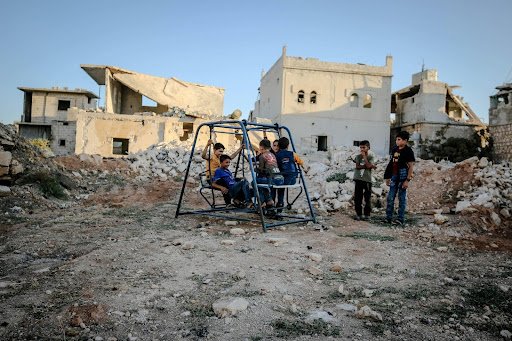
A child’s early years are meant to be filled with small discoveries, learning to read a new word, laughing with friends during recess, and imagining what the future might look like. But for millions of children growing up in conflict zones, these ordinary moments are replaced by uncertainty, displacement, and fear.
Instead of classrooms and playgrounds, many children wake up to the sounds of conflict, disrupted routines, and communities struggling to survive. The experiences they face during these formative years do not simply disappear once the fighting stops. In many cases, the consequences shape how children grow, learn, and interact with the world for years to come.
Understanding the effects of war on children helps reveal why long-term support systems are essential and why helping them requires more than short-term emergency aid.
Let’s understand the long-term effects of conflict on childhood development and why sustained support is critical for recovery.
#1 Emotional and Psychological Trauma
Children exposed to violence, displacement, or the loss of loved ones often carry psychological stress that continues long after the conflict ends.
Feelings of fear, anxiety, and uncertainty can affect how children perceive safety and trust. Loud noises, sudden movements, or unfamiliar environments may trigger distress or memories of past experiences.
Over time, unresolved trauma can influence a child’s ability to concentrate in school, build healthy relationships, or feel confident about the future. Emotional well-being plays a fundamental role in childhood development, yet it is often deeply affected by prolonged exposure to conflict.
Psychosocial support programs and counselling services are therefore essential in helping children affected by war rebuild emotional stability and regain a sense of security.
#2 Disrupted Education and Cognitive Development
Education is one of the most powerful tools supporting childhood development. However, conflict frequently interrupts learning opportunities during critical stages of growth.
Schools may be damaged or destroyed, teachers displaced, and families forced to relocate. As a result, many children miss months or even years of schooling.
When children fall behind academically, the impact extends far beyond the classroom. Interrupted learning can affect literacy development, problem-solving skills, and future employment opportunities.
Providing safe, accessible education remains one of the most effective ways of helping children affected by war rebuild stability and regain opportunities for the future.
#3 Physical Health and Development Challenges
Access to healthcare, nutritious food, and clean water may become limited or unavailable.
Children living in conflict zones may experience malnutrition, untreated illnesses, or injuries that affect their development. These challenges can weaken immune systems and increase vulnerability to disease.
Displacement can also interrupt routine healthcare services, including vaccinations and medical check-ups. Over time, these gaps in care may lead to long-term health complications that affect children well into adulthood.
Ensuring access to medical services, nutrition programs, and safe living conditions plays a critical role in reducing the lasting effects of war on children and supporting healthier development.
#4 Social Development and Sense of Security
Friendships, supportive families, and community structures help children learn cooperation, empathy, and communication.
These early social experiences shape how individuals build relationships, participate in communities, and develop trust throughout their lives.
Conflict often disrupts these vital connections. Families may be separated, communities fragmented, and children forced to relocate to unfamiliar environments such as refugee camps or temporary shelters.
Without stable support networks, children may struggle to develop a sense of belonging. Programs that rebuild safe community spaces, encourage group learning, and promote positive social interaction help reduce the long-term effects of war on children by restoring connection and stability.
Why Long-Term Support Matters?
Meeting immediate needs such as food, shelter, and safety is essential during humanitarian crises. However, addressing the deeper developmental impacts of conflict requires sustained investment in long-term programs.
When children receive access to education, healthcare, and emotional support, they are better equipped to overcome adversity and build stable futures. Communities also benefit as resilient young people grow into leaders who contribute to rebuilding and social stability.
Recognising the lasting effects of war on children helps highlight why continued commitment to child-focused initiatives remains so important.
Closing Thoughts
War disrupts childhood in ways that extend far beyond the immediate crisis. Emotional trauma, disrupted education, health challenges, and fractured communities can shape a child’s development for years to come.
Yet with the right support systems in place, recovery is possible. Programs dedicated to helping children affected by war provide the resources, care, and opportunities children need to rebuild their lives.
By understanding the long-term effects of war on children, individuals and communities can better support initiatives that protect childhood and restore opportunity. Protecting children today helps build stronger, more resilient communities for the future.