

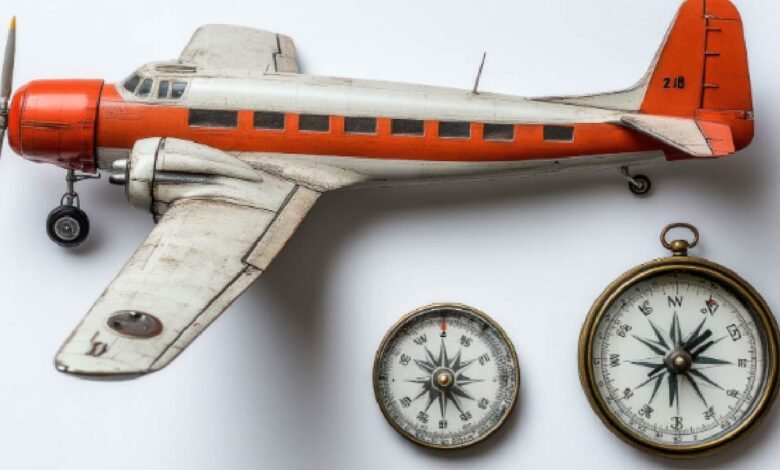
Luxury interiors often draw their personality from objects that carry history. While contemporary design focuses on clean lines and premium materials, many designers are increasingly adding artifacts to tell stories—objects with provenance, craftsmanship, and a connection to the past. Among the most distinctive of these are aviation antiques, which blend engineering heritage with sculptural design.
From turbines and wheels to seats from retired aircraft components, aviation pieces bring a sense of adventure and aesthetics into modern interiors. Their appeal lies not only in their visual impact but also in the history they carry. The transformation of aircraft components into airplane furniture and decorative objects has become a growing niche within luxury design.
For collectors, designers, and aviation enthusiasts alike, incorporating furniture made from airplane parts into interior spaces is a way to celebrate aviation history while also making a visual statement.
Why Aviation Antiques Are Appearing in High-End Interiors
In recent years, aviation-inspired antiques have gained traction among interior designers working on luxury homes, executive offices, boutique hotels, and private lounges. The aesthetic combines industrial strength with refined craftsmanship, producing pieces that feel both raw and sophisticated.
Aircraft components are appealing for their robust materials and engineering. Airframes are constructed from lightweight aluminium alloys to withstand extreme conditions. When those parts are retired from service, they still look so appealing that they make them ideal for furniture and décor.
Designers are increasingly incorporating authentic aviation antiques because they are one-of-a-kind pieces. Each rivet pattern, metal panel, or mechanical component bears the marks of its operational life.
This authenticity is a key reason why airplane furniture has become popular in contemporary interiors. Unlike replicas, genuine aircraft materials carry a tangible link to aviation’s technological and cultural legacy.
Aircraft Fuselage Furniture: Industrial Craftsmanship
The most recognizable form of furniture made from airplane parts comes from aircraft fuselage sections. These curved aluminum panels, once part of the aircraft’s outer shell, are transformed into functional furniture such as windows and tables.
The beauty of fuselage furniture lies in its engineering details. Rows of rivets, inspection panels, and polished metal surfaces remain visible, turning what was once purely functional into sculptural design.
In many cases, designers polish the aluminium while preserving its original structure. The resulting furniture reflects light beautifully and introduces an industrial elegance that complements modern interiors.
Examples of fuselage-based airplane furniture include:
- Fuselage restored window
- Turbines turned into a table.
These pieces often become conversation starters in living rooms, offices, or hospitality spaces. Their curved shapes and metallic textures contrast effectively with wood floors, leather furniture, and neutral palettes.
Propellers and Radial Engines as Design Centerpieces
Some aviation antiques are so visually striking that they naturally become centerpieces within a room. Vintage aircraft propellers and radial engines fall squarely into this category.
Early aircraft propellers were frequently crafted from laminated hardwoods, shaped into elegant curves designed for aerodynamic efficiency. When restored and put on walls or incorporated into furniture, they become dramatic decorative elements.
Radial engines, on the other hand, represent the mechanical artistry of early aviation. With cylinders arranged in a circular configuration around a central crankcase, these engines have a distinctive geometry that translates surprisingly well into furniture design.
Designers have repurposed radial engines into:
- Glass-topped coffee tables
- Industrial chandeliers
- Sculptural display pieces
These creations celebrate the craftsmanship of early aviation engineering while providing functional design elements within luxury interiors.
Vintage Cockpit Instruments and Military Optics
Smaller aviation antiques also have a character like larger aircraft components. Vintage cockpit instruments—such as altimeters, compasses, and airspeed indicators—are popular display pieces in aviation-themed interiors.
These instruments were built for precision and reliability. They often involve brass housings, engraved markings, and mechanical mechanisms that still remain fascinating years later.
Military optics from the Second World War are particularly prized among collectors. Precision optical equipment produced during the era was designed for durability and exceptional clarity, qualities that still attract enthusiasts today.
Collectors often seek out items such as WWII Carl Zeiss Kriegsmarine Binoculars, which were manufactured for the German navy and known for their advanced optical performance and rugged construction.
Similarly, WWII Nikko Destroyer Ship Binoculars represent the high-quality naval optics produced in Japan during the same period. These instruments were designed for long-range observation in challenging maritime conditions, making them both historically significant and visually impressive display pieces.
Mounted on stands or placed within glass cabinets, these optics bring an authentic wartime narrative into modern interiors.
Aircraft Seating and Lounge Furniture
Aircraft seating provides another compelling source of furniture made from airplane parts. Vintage airline seats—particularly those from mid-20th-century aircraft—often feature aluminium frames and durable upholstery that can be restored and repurposed.
Once refurbished, these seats can be transformed into:
- Aviation-style lounge chairs
- Retro bench seating
- Office chairs inspired by cockpit seating
The result is furniture that retains the character of vintage aviation while offering practical comfort for modern spaces.
Designers sometimes combine these seats with other aircraft elements—such as polished aluminium frames or aviation leather—to create cohesive aviation-inspired interiors.
Lighting Created from Aircraft Components
Lighting is another way to incorporate aviation antiques into interior design.
Aircraft components such as landing lights, turbine blades, and propeller hubs can be converted into lighting fixtures. Their metallic surfaces and mechanical forms lend themselves naturally to industrial lighting aesthetics.
Examples include:
- Table lamps crafted from aircraft landing lights
- Pendant lights made from turbine blades
- Wall lights built from navigation lamps
These pieces combine functional illumination with historical craftsmanship, adding both atmosphere and visual interest to a room.
The Value of Authentic Aviation Antiques
What makes some aviation antiques stand out is their authenticity. These pieces were designed for operational aircraft, meaning they were built to survive extreme conditions.
As a result, these artifacts often outlast conventional furniture materials.
Collectors value authentic aviation artifacts for several reasons:
- Historical provenance – Many pieces are tied to significant moments in aviation history.
- Engineering craftsmanship – Aircraft components were manufactured to exacting standards.
- Sustainability – Repurposing retired aircraft components gives them a second life.
- Uniqueness – Every piece carries subtle variations from its original use.
In luxury interiors, these qualities translate into spaces that feel curated, layered, and genuinely distinctive.
Designing Interiors with Aviation Heritage
When used well, aviation antiques can integrate seamlessly into modern interiors.
The key is to use it mindfully. Rather than filling a room with aviation artifacts, designers typically use one or two statement pieces supported by complementary materials such as leather, wood, and steel.
For example:
- A Boeing 747 wheel used as a table in a minimalist living room
- A propeller in a contemporary office
- Vintage military optics displayed in a study or library
Doing this ensures the aviation element remains a highlight rather than overwhelming the overall design.
Discover Aviation Antiques with Sterling Aviations
For collectors and design enthusiasts who appreciate the history and craftsmanship behind aviation artifacts, finding authentic pieces can make all the difference.
Sterling Aviations specializes in bringing aviation heritage into modern interiors through carefully sourced antiques and handcrafted furniture.
From genuine aviation antiques to handcrafted airplane furniture and distinctive furniture made from airplane parts, their collection offers a unique way to incorporate aviation history into homes, offices, and commercial spaces.
If you’re looking to add authentic aviation character to your interior, explore their collection and discover how aviation history can become part of your everyday environment.