
How to Choose the Right Potting Mix for Healthier Plants and Stronger Root Growth

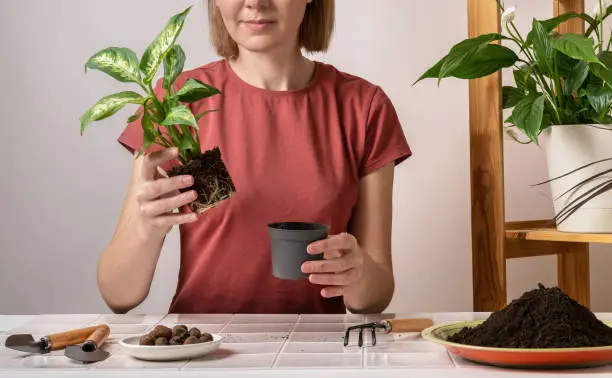
If you’ve ever wondered why some potted plants thrive while others struggle, the answer often comes down to one simple factor: the potting mix.
It’s easy to assume that all soil is the same, but when it comes to container gardening, the type of mix you use plays a huge role in how well your plants grow. Whether you’re growing herbs in your kitchen, decorating your balcony with flowers, or managing plants in a commercial setting, the right potting mix can make all the difference.
Let’s take a closer look at how to choose the right one—and why it matters more than you might think.
Why Potting Mix Is Different from Regular Soil
One of the most common mistakes beginners make is using garden soil in pots. While it might seem like a practical shortcut, it often leads to poor results.
Garden soil is usually too dense for containers. It compacts easily, limiting airflow and making it harder for roots to grow. It can also retain too much water, increasing the risk of root rot.
Potting mix, on the other hand, is specially designed for container plants. It’s lighter, more porous, and better at balancing moisture and air. This creates an ideal environment for root development.
Think of it like choosing the right mattress. A firm mattress might work well for one person, while another needs something softer for proper support. Plants are similar—their roots need the right balance to stay healthy.
Understanding how soil structure affects plant growth can help you see why potting mix is such an important choice.
Key Ingredients That Make a Good Potting Mix
Not all potting mixes are created equal. A high-quality mix is composed of components that each serve a purpose.
Here are some common ingredients you’ll find:
- Organic matter (like compost or bark): Adds nutrients and improves structure
- Perlite or vermiculite: Helps with aeration and drainage
- Coconut coir or peat: Retains moisture without becoming waterlogged
- Slow-release fertilisers: Provide nutrients over time
Each of these plays a role in creating a balanced environment for roots.
For example, indoor plants often need a mix that holds moisture longer, since they’re not exposed to as much heat or wind. On the other hand, outdoor plants in sunny areas benefit from well-draining mixes to prevent overwatering.
In professional landscaping or nursery operations, choosing the right mix is part of standard practice. Different plants are matched with specific blends to ensure consistent growth and reduce maintenance.
At home, you can follow the same principle—choose a mix based on your plant type and environment.
Matching the Mix to Your Plants
Different plants have different needs, and your potting mix should reflect that.
For instance:
- Succulents and cacti need fast-draining mixes to prevent excess moisture.
- Herbs and vegetables prefer nutrient-rich mixes that support growth.
- Indoor foliage plants benefit from moisture-retentive blends.
- Flowering plants often need a balanced mix that supports blooms.
It’s similar to how different industries use specialized materials. A chef uses different ingredients for baking than for grilling, and a builder chooses materials based on the structure being built. In the same way, gardeners choose potting mixes based on what they’re growing.
If you’re unsure, start with a general-purpose mix and observe how your plants respond. Yellowing leaves, slow growth, or soggy soil are all signs that adjustments may be needed.
Drainage, Moisture, and Root Health
Healthy roots are the foundation of healthy plants. And roots need two key things to thrive: access to water and access to oxygen.
A good potting mix helps balance both.
If a mix holds too much water, roots can suffocate and begin to rot. If it drains too quickly, plants may dry out and struggle to absorb nutrients.
This balance is especially important in container gardening, where plants rely entirely on the environment you create for them.
For example, in commercial plant nurseries, growers carefully monitor moisture levels to ensure optimal growth. They often use specialized mixes that maintain consistent conditions across hundreds or even thousands of plants.
At home, you don’t need that level of precision—but choosing the right potting mix gets you much closer to the ideal balance.
If you want to explore different options for various plant needs, check this link to see a range of potting mix solutions for different gardening setups.
Simple Tips for Better Results
Choosing the right potting mix is just the first step. How you use it also matters.
Here are a few practical tips to get the most out of your mix:
- Use the right pot size: Too small, and roots become cramped; too large, and water may not distribute evenly.
- Avoid overwatering: Always check the soil before adding more water.
- Refresh your mix: Over time, potting mix can break down and lose its structure.
- Ensure proper drainage: Make sure pots have drainage holes to prevent water buildup.
These small habits can significantly improve plant health and prevent common problems.
The Long-Term Benefits of Choosing the Right Mix
When you use the right potting mix, you’ll notice improvements quickly. Plants grow stronger, leaves look healthier, and overall maintenance becomes easier.
But the benefits go beyond just appearance.
Healthy plants are more resistant to pests and diseases. They require less intervention and recover more easily from stress. In commercial settings, this translates to higher productivity and lower costs. At home, it means less frustration and more enjoyment.
Over time, you’ll also develop a better understanding of your plants. You’ll notice how they respond to different conditions and become more confident in your gardening decisions.
Final Thoughts
Choosing the right potting mix might seem like a small detail, but it has a big impact on how your plants grow.
By understanding what your plants need—whether it’s better drainage, more nutrients, or improved moisture retention—you can create the right environment for strong, healthy roots.
Start simple. Pay attention to your plants. Adjust as needed.
With the right mix and a little care, your container garden can thrive in ways you might not have expected.