
Why Homeowners Are Rethinking Preventative Strategies in Warmer Climates

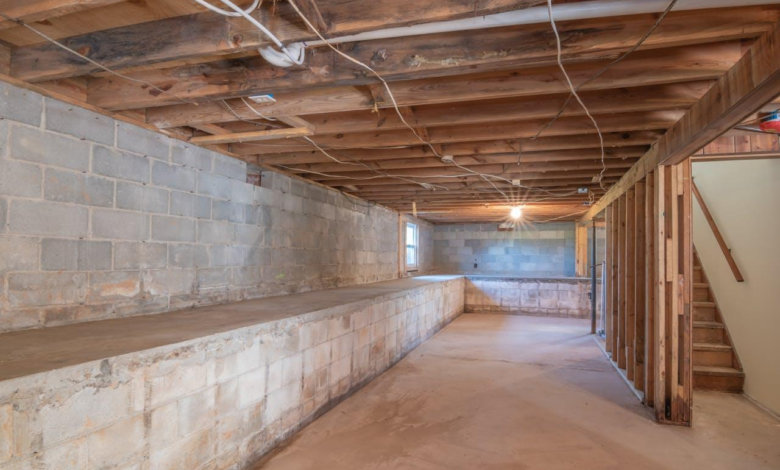
Have you ever wondered why homes in warmer places seem to need more attention each year? In regions like Florida, the environment plays a constant role in how homes age and perform. Heat, humidity, and seasonal changes create conditions that speed up wear on materials. What once felt like occasional maintenance now feels like a year-round responsibility. Recent climate trends and rising repair costs have made this even more noticeable. Homeowners are beginning to realize that waiting for problems is no longer practical. Preventative care has shifted from optional to essential in protecting long-term property value. In this blog, we will share why preventative strategies are evolving, what is driving these changes, and how homeowners are adapting to stay ahead of growing risks.
Changing Conditions Are Driving New Habits
Climate Patterns Are Becoming Less Predictable
Warmer climates are experiencing more frequent weather shifts, including intense heat and sudden storms. These conditions affect roofing, siding, and even the foundation over time. Materials expand and contract more often, which leads to gradual weakening. Therefore, homes require more consistent monitoring than in the past.
Humidity also creates an environment where mold, pests, and moisture-related damage can develop quickly. This combination of heat and moisture increases the risk of hidden issues. Homeowners now recognize that these problems do not always show visible signs early on. As a result, preventative inspections have become more common in daily home care routines.
Seasonal Awareness Shapes Planning
Homeowners are becoming more aware of how seasonal changes directly affect different parts of their homes. Warmer temperatures and rising humidity can create ideal conditions for pests, moisture damage, and material wear. Instead of waiting for visible damage, many now follow seasonal checklists based on recurring risks. For example, getting ready for Florida termite swarming season often includes scheduling inspections, sealing entry points, and reducing excess moisture around the home. These steps target the conditions that attract termites before they become a problem, rather than dealing with damage after it spreads.
This shift reflects a broader move toward proactive home management. People now treat maintenance like a predictable cycle, similar to preparing for storms or heatwaves. They track seasonal risks and act early, which helps avoid sudden repairs and costly fixes. Therefore, planning ahead reduces both stress and long-term expenses. Over time, this habit creates a home that remains stable, protected, and easier to manage year-round.
Rising Costs Are Changing Priorities
Repairs Are Becoming More Expensive
The cost of home repairs has increased significantly in recent years. Labor, materials, and supply chain disruptions have all contributed to higher prices. Therefore, even minor issues can become costly if left unaddressed.
Homeowners are beginning to see preventative care as a way to control these expenses. Fixing small problems early often prevents larger and more expensive repairs later. This approach shifts spending from reactive fixes to planned maintenance. Over time, this strategy helps manage budgets more effectively.
Insurance and Risk Management
Insurance companies are also influencing how homeowners approach maintenance. Policies may require regular upkeep to remain valid or affordable. Claims related to preventable damage can lead to higher premiums or denied coverage.
Therefore, homeowners are paying closer attention to maintenance requirements. Preventative strategies now serve as a form of risk management. This change reflects a growing connection between home care and financial planning.
Technology Is Supporting Preventative Care
Smart Systems Provide Early Warnings
Technology has made it easier to monitor homes for potential issues. Sensors can detect moisture, temperature changes, and air quality problems in real time. These tools provide early warnings before damage becomes severe.
For example, a moisture sensor can alert homeowners to leaks before they cause structural damage. Therefore, problems can be addressed quickly and efficiently. This reduces both repair costs and long-term impact.
Data Helps Guide Decisions
Modern homeowners have access to more information than ever before. Online tools and apps provide insights into maintenance schedules and potential risks. This data helps homeowners plan and prioritize tasks more effectively.
Instead of guessing when maintenance is needed, people can rely on clear information. Therefore, decisions become more strategic and less reactive. Over time, this improves both efficiency and peace of mind.
A Shift Toward Long-Term Thinking
Homes as Long-Term Investments
Homes are increasingly viewed as long-term investments rather than short-term assets. Protecting that investment requires consistent care and attention. Therefore, preventative strategies play a key role in maintaining property value.
This mindset encourages homeowners to focus on durability and performance. Regular upkeep ensures that systems and structures remain in good condition. Over time, this approach supports both financial stability and comfort.
Community Influence and Shared Knowledge
Homeowners are also learning from each other through online communities and local networks. Shared experiences highlight the importance of preventative care in warmer climates. People discuss what works and what does not, which helps others make informed decisions.
This exchange of information creates a collective awareness of common risks. Therefore, preventative strategies become more widely adopted across communities. This trend reflects a broader shift toward shared knowledge in home management.
The Emotional Side of Preventative Care
Reducing Stress Through Preparation
Unexpected home repairs can create significant stress and disruption. Preventative care helps reduce these surprises by addressing issues early. Therefore, homeowners experience greater peace of mind in their daily lives.
Knowing that a home is well-maintained creates a sense of security. This emotional benefit is often just as important as financial savings. Over time, preparation becomes a source of confidence rather than a burden.
Building Confidence in Homeownership
As homeowners adopt preventative strategies, they become more confident in managing their properties. They understand how systems work and what signs to watch for. This knowledge empowers them to take control of maintenance decisions.
Confidence grows as homeowners see the results of their efforts. Fewer unexpected problems and lower repair costs reinforce the value of planning ahead. Therefore, preventative care becomes a natural part of homeownership.
Preventative strategies are no longer optional in warmer climates where conditions accelerate wear and damage. Homeowners are adapting to these challenges by planning ahead and using available tools effectively. This shift reflects broader trends in climate awareness, cost management, and technology adoption. Therefore, maintenance has become a proactive process rather than a reactive one.