
Why Curtains and Blinds Are Essential for Privacy, Energy Efficiency, and Interior Design

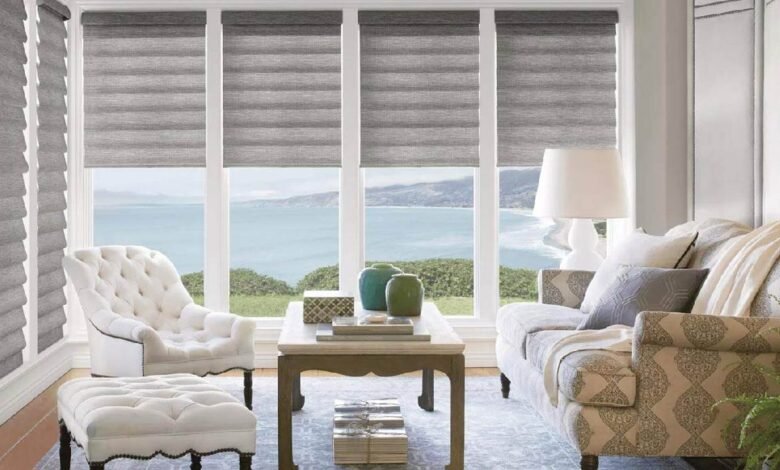
When people think about improving their homes, they often focus on big changes like new furniture, fresh paint, or updated flooring. But sometimes, the most impactful improvements are surprisingly simple. Window coverings—particularly curtains and blinds—are a great example. These everyday features play a huge role in how a home looks, feels, and functions.
Curtains and blinds are more than decorative pieces. They help manage natural light, improve privacy, and even influence energy efficiency. In homes, offices, restaurants, and hotels, window coverings quietly shape a space’s comfort without drawing too much attention.
If you’ve ever walked into a room that felt too bright, too exposed, or too warm during the afternoon sun, chances are the window coverings—or lack of them—played a part.
Let’s explore why curtains and blinds remain one of the most practical and versatile design elements in modern interiors.
Privacy That Makes Spaces Feel Comfortable
Privacy is one of the most immediate reasons people install curtains or blinds. Windows allow beautiful natural light to enter a room, but they also create a direct line of sight from outside.
Imagine relaxing in your living room at night with the lights on. Without window coverings, the interior of your home can become fully visible to anyone outside. Curtains and blinds provide a simple way to control how much of your space is visible.
Different types of window coverings offer varying levels of privacy. Sheer curtains, for example, allow daylight to filter through while softening visibility from the outside. This makes them popular in living areas where natural light is welcome but direct exposure isn’t ideal.
Blinds, on the other hand, offer adjustable privacy. By tilting the slats, you can allow light into the room while preventing people from seeing inside. This flexibility makes blinds particularly useful in spaces like bedrooms, bathrooms, and offices.
Privacy also matters in commercial settings. Restaurants, medical clinics, and offices often rely on window coverings to create a comfortable and secure environment for clients and employees. In many cases, well-chosen curtains or blinds can help define private areas without requiring permanent structural changes.
Improving Energy Efficiency in Everyday Life
Another often overlooked benefit of curtains and blinds is their ability to improve energy efficiency. Windows are among the largest sources of heat gain and loss in buildings. Without proper coverings, indoor temperatures can fluctuate significantly throughout the day.
During hot seasons, direct sunlight entering through windows can quickly warm a room. Curtains and blinds act as a barrier, reducing the amount of solar heat that enters the space. This can help keep interiors cooler and reduce the need for air conditioning.
In colder months, thicker curtains can also help retain heat inside the room. By adding an extra layer between the window and the interior space, they limit heat loss and make rooms feel warmer.
These small adjustments can contribute to noticeable savings on energy bills over time. According to discussions on energy conservation, improving insulation and reducing heat transfer are simple ways for households to lower overall energy consumption.
Businesses also benefit from this. Offices with large glass windows often install blinds specifically to manage sunlight during peak hours. By controlling how much heat and glare enter the space, companies can create a more comfortable work environment while reducing cooling costs.
This practical advantage makes window coverings both a design choice and a smart efficiency upgrade.
Enhancing Interior Design and Visual Balance
Beyond privacy and energy savings, curtains and blinds play an important role in shaping a space’s visual identity.
Interior design is about balance—combining colors, textures, and lighting in a way that feels cohesive. Windows are natural focal points in any room, so how they are dressed can dramatically affect the overall look.
Curtains introduce softness and movement. Flowing fabrics add warmth to living rooms, bedrooms, and dining areas. They also help frame windows and create a sense of height, especially when installed close to the ceiling.
Blinds, in contrast, tend to offer a cleaner and more minimal appearance. They work well in modern interiors where simplicity and functionality are key design priorities. Materials such as wood, aluminum, or fabric can complement various décor styles.
The choice of color and fabric also influences a room’s atmosphere. Light-colored curtains can make small spaces feel larger and brighter, while darker tones can create a cozy and intimate mood.
Hotels and hospitality spaces often use layered window coverings—combining sheer curtains with heavier drapes—to achieve both style and function. During the day, sheer layers let in natural light while maintaining privacy. At night, thicker curtains can block out light completely for better rest.
These thoughtful design choices demonstrate how window coverings contribute not only to practicality but also to a space’s overall emotional feel.
Choosing the Right Window Coverings for Modern Living
Selecting the right curtains or blinds depends on several factors, including room function, lighting conditions, and personal style preferences.
Bedrooms, for instance, often benefit from blackout curtains that block outside light and promote better sleep. Living rooms may benefit from layered curtains that allow flexible light control throughout the day. Kitchens and bathrooms typically use blinds because they are easier to maintain and more resistant to humidity.
Modern homeowners are also exploring customized solutions tailored to their specific needs. For example, many people look for options that match both architectural style and local climate conditions.
Those exploring options for curtains and blinds in Melbourne often consider factors such as sunlight intensity, window size, and the home’s overall design. Choosing the right materials and installation approach ensures that window coverings perform well for many years.
Professional guidance can also help homeowners balance aesthetics with functionality, ensuring that window coverings complement a space’s design and practical needs.
A Small Feature That Makes a Big Difference
Curtains and blinds may seem like simple additions, but their impact on daily comfort is significant. They improve privacy, support energy efficiency, and contribute to the visual harmony of interior spaces.
From residential homes to commercial offices and hospitality venues, window coverings help shape environments that feel welcoming, functional, and well-designed.
The next time you enter a room that feels perfectly balanced—bright but not glaring, private yet open, stylish yet comfortable—there’s a good chance the window coverings are quietly doing their job.
By choosing the right curtains or blinds, homeowners and businesses alike can enjoy spaces that look better, feel more comfortable, and work more efficiently every day.