

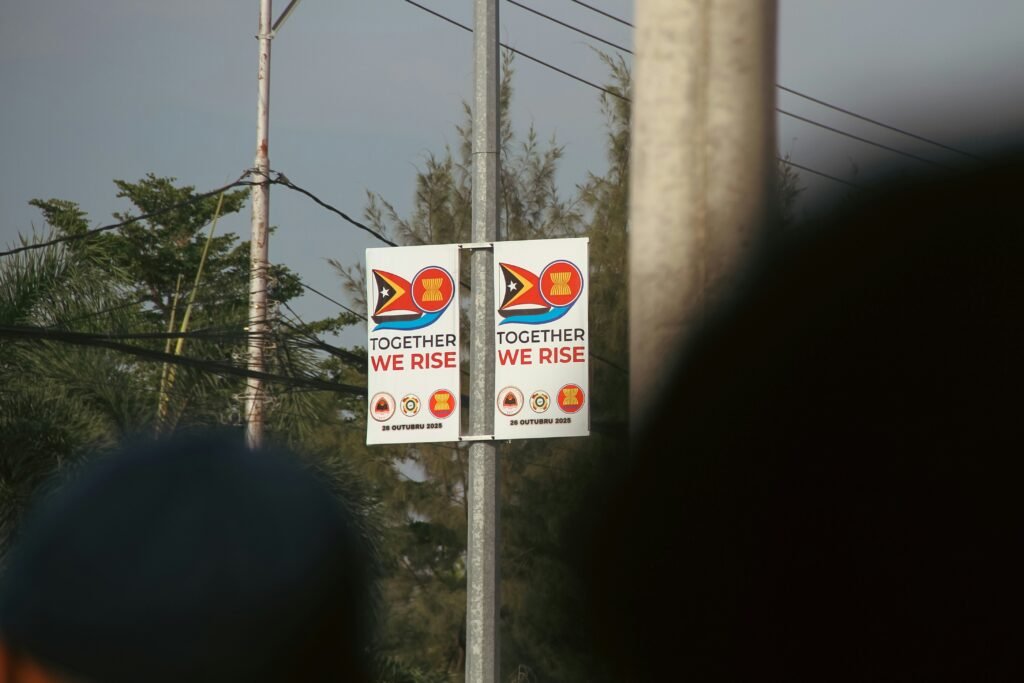
In a world where consumers are bombarded with digital ads, be it social media banners or search-engine pop-ups, it might seem like traditional marketing tools have lost their power. Yet research shows that physical advertising still makes a strong impression; for example, people recall out-of-home ads like billboards and banners at a significantly higher rate than digital ads seen online.
Despite the endless stream of digital messages flooding screens, physical marketing tools continue to play a meaningful role in how businesses communicate with their audiences. Unlike fleeting digital advertisements that can be scrolled past or blocked, banners remain visible in the real world, hanging at storefronts, standing tall at events, or positioned in high-traffic areas where thousands of potential customers can see them every day.
That physical presence matters. The tangible nature of printed banners gives brands a constant visual footprint that builds credibility and fosters recall in a way that pixels alone often can not.
In this blog, we will explore how, even in a predominantly digital era, banners remain one of the highly effective marketing tools, helping businesses of all sizes increase visibility, reinforce brand identity, and connect with customers in the physical world.
What Are Marketing Banners?
When most people hear the word “banner,” they picture a large sign with bold colors and messaging, and that’s exactly what it is. A piece of material printed with logos, graphics, slogans, or promotional messages designed to be seen by a target audience in the real world. Traditionally made from cloth or vinyl, banners are among the most visible forms of out-of-home advertising that a business can use.
Benefits of Banners
Physical banners are among the few marketing tools that balance simplicity with effectiveness. Even as digital channels evolve, banners continue to deliver strong results because they capture attention, communicate clear messages, and remain visible long after placement.
Here’s a breakdown of the key advantages that make banners a good choice for businesses of all sizes:
1. High Visibility
Banners are designed to be seen and noticed. For this reason, their large formats and vibrant graphics naturally draw attention in busy environments where smaller signage would otherwise go unnoticed.
Whether hanging above a store entrance, displayed at a community event, or positioned along a street, professionally designed banners stand out against visual noise and are easily spotted by pedestrians and drivers alike. So, start searching for ‘banner printing near me’ to get access to expert services for designing pieces that etch your brand in the minds of the customers. Constant presence like this increases the likelihood that passersby will take in your message, offering your business the visibility that digital ads cannot guarantee once a user scrolls past.
2. Cost-Effectiveness
One significant advantage of banners is their cost compared with many other forms of advertising. After the initial design and production, banners continue to work for you without ongoing costs, unlike digital campaigns that require recurring spend for every click or impression.
Moreover, the use of durable materials means they can last for months or even years, resulting in extremely low cost per impression. This makes banners especially appealing for small businesses or local campaigns where every marketing dollar counts.
3. Local Targeting
Banners excel at reaching the people right in your community. By placing them in strategic, high-traffic spots near your business or at local events, you can directly reach your potential customers who are physically present and likely to take action. This form of geographically focused exposure helps small, locally focused businesses build awareness and drive foot traffic where it matters most.
4. Consistent Brand Presence
Repetition is a cornerstone of effective marketing, and physical banners naturally provide it. When your brand’s colors, logo, and message appear repeatedly in public spaces, they reinforce your brand’s identity in people’s minds.
Over time, this repeated exposure builds familiarity and trust, which can make consumers more likely to choose your brand when they need related products or services. Banners also play well with other marketing channels, for example, a message seen on a banner and online strengthens recall more than either medium alone.
Banners in the Digital Era
In today’s hyperconnected, screen-saturated environment, consumers are exposed to thousands of digital ads daily. This constant noise has led to what many marketers call digital fatigue, where audiences scroll past or outright ignore online ads. In contrast, physical banners and outdoor signage appear where people live their lives, breaking through this digital clutter and grabbing attention in ways that screens often fail to do. This gives physical marketing a unique advantage in memorability and real-world presence.
The real power of banners today comes from blending physical visibility with digital engagement. Savvy marketers are increasingly designing hybrid campaigns that encourage customers to move seamlessly between offline and online experiences:
- QR Codes on Banners: Adding scannable QR codes to physical banners bridges the gap between the real world and your digital content. For example, a banner at a local event might include a QR code that takes visitors to a landing page with exclusive offers or event details.
- Hashtags & Social Engagement: Placing campaign hashtags on banners encourages attendees or passersby to share photos on social platforms, amplifying reach beyond the physical location. The physical banner becomes a point of digital interaction.
- Event-Linked Digital Content: At trade shows or community events, banners can be paired with online contests, livestreams, or digital catalogs that extend engagement long after the event ends.
These integrated approaches show that banners are not isolated tools but connective pieces in a broader marketing ecosystem that pull offline audiences into online experiences and vice versa.
Final Takeaways
As the marketing world continues to evolve, the enduring relevance of physical banners underscores the vital role of traditional advertising in modern promotional strategies. Banners do not just communicate a message; they anchor a brand in the real world, creating tangible touchpoints that reinforce awareness and draw attention where online ads often fall short.
Ultimately, the effectiveness of banners lies in their lasting visibility, real-world impact, and ability to enrich overall marketing efforts, proving that even in a digital era, great marketing still engages the senses and the environment around us.