
When Sticking Doors and Drywall Cracks Mean It’s Time for Foundation Repair

Most homeowners don’t immediately jump to “crawl space encapsulation Virginia Beach” when something small goes wrong inside the house. And honestly, that makes sense. If a door starts sticking or you notice a crack in the drywall, the first thought is usually something simple — humidity, aging paint, maybe the house settling a little.
But sometimes those small annoyances are actually trying to tell you something bigger.
Not every crack or stubborn door means you’ve got a serious structural issue. Houses move a bit over time — that’s normal. The tricky part is knowing when those little changes cross the line from normal settling to something that needs attention.
Let’s talk about what those signs might mean and when it’s probably time to start thinking about foundation repair.
The Door That Suddenly Won’t Close Right
You know the one.
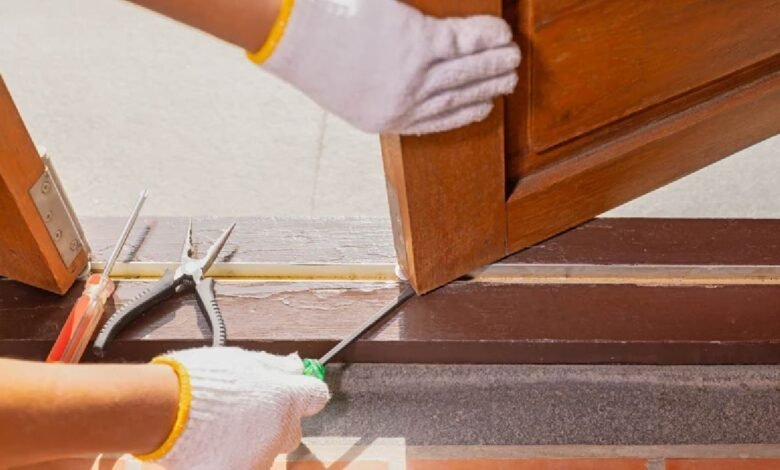
Maybe it’s the bathroom door that used to close perfectly but now scrapes the frame. Or the front door that suddenly needs a little shoulder push to latch. At first it’s just annoying. You assume the hinges are loose or the wood expanded from humidity.
And sure, sometimes that’s exactly what it is.
But when doors throughout the house start acting up — sticking, rubbing, or refusing to line up with the latch — it can be a sign that the structure has shifted slightly. Even a small amount of foundation movement can change how door frames sit inside the walls.
It doesn’t take much. A fraction of an inch can throw everything off.
Drywall Cracks That Keep Coming Back
Drywall cracks are incredibly common. Most homeowners have at least a few somewhere in the house.
The difference is where they show up and what they look like.
Small hairline cracks above doorways can happen from everyday settling. But when you see long diagonal cracks across walls, especially near windows or door frames, that’s when things start to raise eyebrows.
Another thing to watch: cracks that you patch… and then they reappear a few months later.
That’s usually a sign that whatever caused the movement in the first place is still happening.
Why These Two Signs Often Show Up Together?
Doors and drywall are surprisingly sensitive to structural shifts.
When a foundation settles unevenly — even slightly — it can cause the framing of the house to move. And when framing moves, the first things to react are often:
- Door frames
- Window frames
- Drywall joints
That’s why homeowners often notice sticking doors around the same time cracks begin appearing. The house isn’t necessarily collapsing or anything dramatic like that. But it is adjusting to a new position.
Think of it like a picture frame hanging slightly crooked. Everything connected to it shifts a little too.
It’s Not Always the Foundation — But It Could Be
Here’s the honest part: these symptoms don’t automatically mean you need major foundation repair or crawlspace encapsulation services.
Humidity can warp doors. Seasonal temperature changes can create small drywall cracks. Even normal aging of a home can cause some minor shifts.
But when you notice multiple signs happening at once, or they continue getting worse over time, it’s worth investigating further.
For example:
- Several doors sticking throughout the house
- Cracks forming in multiple rooms
- Gaps around windows or trim
- Floors feeling uneven in certain areas
That combination usually means the issue goes deeper than just a loose hinge or paint crack.
Why Waiting Can Make Repairs More Complicated?
A lot of homeowners delay calling someone because the issue feels minor.
And that’s understandable. No one wants to jump straight into foundation repair unless they absolutely have to.
But small structural shifts rarely stay small forever. If the soil beneath part of the foundation continues settling or shifting, those small cracks can widen. Doors that stick today might not close at all later.
The earlier foundation movement is identified, the easier it is to correct. Repairs tend to be simpler and less invasive when caught early.
Waiting doesn’t always make things catastrophic — but it can make them more expensive.
What a Professional Inspection Usually Looks Like?
If you do decide to have the foundation checked, the process is typically pretty straightforward.
A professional will usually:
- Inspect cracks inside and outside the home
- Check door and window alignment
- Look for signs of shifting in the foundation itself
- Evaluate moisture or drainage conditions around the house
Sometimes they’ll determine the structure is stable and the issues are cosmetic. Other times they’ll identify specific areas where the foundation has settled and recommend stabilization solutions.
Either way, you’ll walk away with a clearer picture of what’s actually going on.
And honestly, that peace of mind alone can be worth it.
FAQs
- Do sticking doors always mean foundation problems?
No, not always. Doors can stick because of humidity, loose hinges, or minor wood expansion. However, if several doors begin sticking at the same time — especially alongside wall cracks — it could indicate structural movement.
- Are drywall cracks something to worry about?
Many drywall cracks are harmless, especially small hairline ones. But large, diagonal, or widening cracks near windows and doors can signal foundation shifting and should be evaluated.
- How do I know if my foundation is actually settling?
Signs of settling often include uneven floors, sticking doors, gaps around windows, and recurring drywall cracks. A professional inspection can confirm whether foundation movement is the cause.
- Can foundation issues be repaired?
Yes. Modern foundation repair methods can stabilize and sometimes even lift sections of a home that have settled. The specific solution depends on the cause of the movement.
Final Thoughts
A sticking door or a crack in the drywall isn’t automatically a reason to panic.
Homes naturally shift a little over time, and most of those changes are harmless. But when those small warning signs start piling up — doors sticking, cracks spreading, floors feeling slightly off — it’s worth paying attention.
Your house has a way of telling you when something’s not quite right.
The key is listening before a small fix turns into a much bigger one.