

Trees can add beauty, shade, and character to a property. Many homeowners value mature trees because they enhance landscaping, improve air quality, and create a more natural outdoor environment. However, there are situations where removing a tree becomes necessary for safety, property maintenance, or landscaping improvements.
Knowing when to consider tree removal—and how to begin the process—can help property owners make informed decisions. One of the most important early steps is requesting a professional quote. This allows you to assess the tree’s condition, evaluate potential risks, and plan the work responsibly.
Whether you’re dealing with a damaged tree, preparing for construction, or simply improving your outdoor space, understanding when and why to explore tree removal services can make the process smoother and safer.
When a Tree Becomes a Safety Concern
One of the most common reasons homeowners consider tree removal is safety. While trees are generally stable, certain conditions can make them hazardous.
For example, a tree weakened by storms, disease, or age may become unstable. Large branches can break unexpectedly, especially during strong winds or heavy rain.
Imagine a tree that stands close to a home or driveway. If branches begin leaning toward the roof or power lines, the risk of damage increases significantly. In these cases, a professional evaluation can help determine whether pruning, trimming, or full removal is the best solution.
Another common issue is root damage. Tree roots can sometimes interfere with underground pipes, foundations, or sidewalks. When roots grow too close to structures, they may cause cracks or uneven surfaces over time.
Property owners who notice these warning signs often seek professional advice to determine the safest course of action.
Trees that are visibly leaning or have hollow trunks may also pose structural risks. These indicators suggest that the tree’s internal structure may be compromised.
Understanding the basic principles of tree care can help property owners recognize when professional assistance is needed.
When safety becomes a concern, early action can prevent larger problems from developing later.
Preparing for Landscaping or Property Improvements
Another reason people consider tree removal is to create space for landscaping or construction projects.
For example, homeowners planning to build a patio, install a swimming pool, or extend their house may need to remove a tree that stands in the way of the project.
Similarly, property owners who want to redesign their garden may choose to remove certain trees to allow more sunlight into the yard or create space for new plants.
In commercial settings, tree removal may be necessary for infrastructure development. Construction companies often assess existing trees when planning new buildings, parking areas, or roadways.
In these cases, removing a tree may be part of a larger landscape or design strategy.
However, it’s important to carefully evaluate the situation. Not every tree needs to be removed. In some cases, trimming or relocating plants can achieve the desired result while preserving the natural environment.
Consulting with professionals can help property owners determine the most practical approach.
Identifying Signs of Tree Disease or Decline
Trees, like any living organism, can become sick over time. Diseases, pests, and environmental stress can weaken a tree’s structure and affect its ability to thrive.
Common signs of a declining tree include:
- Dead or brittle branches
- Discolored or falling leaves during the wrong season
- Fungal growth near the base of the trunk
- Cracks or splits in the trunk.
These issues may indicate that the tree is struggling to maintain its health.
For example, a tree that has lost a large portion of its canopy may no longer produce enough energy to sustain itself. Over time, this can lead to structural instability.
In some cases, a diseased tree may also spread problems to nearby plants. Removing an infected tree can help protect surrounding vegetation and maintain the overall landscape’s health.
Professional arborists and tree specialists can evaluate these conditions and recommend appropriate solutions.
Understanding the Value of a Professional Quote
Once you’ve identified a potential issue or reason for tree removal, the next step is obtaining a professional assessment.
Requesting a quote allows experts to inspect the tree, evaluate its condition, and determine the safest way to handle the job.
Tree removal is more complex than simply cutting down a tree. Factors such as tree height, branch structure, surrounding buildings, and site access all influence the removal process.
For instance, a tree located in an open yard may be easier to remove than one surrounded by fences, houses, or power lines.
A professional quote typically considers these factors and outlines the scope of work required.
If you’re considering tree removal and want to better understand the process, you can request a tree removal quote to receive guidance from professionals who specialize in evaluating tree conditions and removal requirements.
Obtaining a quote early in the process allows property owners to plan ahead and avoid unexpected complications.
The Importance of Professional Equipment and Expertise
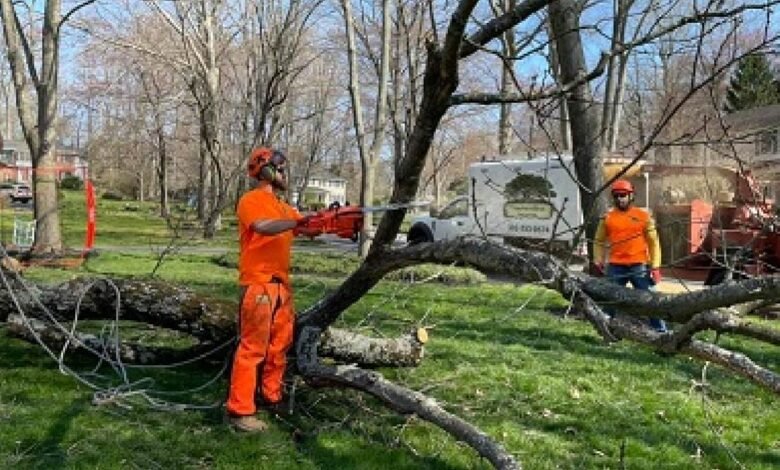
Tree removal can be dangerous when attempted without the proper tools or training. Large trees require specialized equipment and careful planning to ensure safe completion.
Professional tree removal teams often use equipment such as chainsaws, climbing gear, cranes, and wood chippers to manage the process effectively.
For example, if a tree stands close to a house, the removal process may involve cutting the tree into sections and lowering each piece carefully to avoid damage.
This technique requires experience and coordination among trained workers.
In many industries, specialized tools and training are essential for completing complex tasks safely. Construction crews rely on cranes to lift heavy materials, and electricians use protective gear when working with high-voltage equipment.
Tree removal professionals follow similar safety practices to protect both people and property.
Environmental Considerations
While tree removal is sometimes necessary, it’s also important to consider environmental impacts.
Trees provide numerous benefits, including shade, wildlife habitat, and improved air quality. For this reason, professionals often explore alternatives before recommending full removal.
In some situations, trimming or pruning may restore a tree’s health and eliminate safety risks.
When removal is unavoidable, property owners may choose to plant new trees elsewhere on the property to maintain greenery and environmental balance.
Many landscaping professionals encourage thoughtful planning to ensure tree removal contributes to a well-designed, sustainable outdoor space.
Planning Ahead for Property Safety and Maintenance
Maintaining trees is an important part of property care. While most trees provide valuable benefits, there are times when removal becomes the safest or most practical option.
By paying attention to warning signs such as structural damage, disease, or interference with buildings, property owners can address issues before they escalate.
Requesting a professional evaluation helps clarify whether removal is necessary and what steps should be taken.
With proper planning and expert guidance, tree removal can be handled safely and responsibly while supporting the long-term health and appearance of your property.
Ultimately, understanding when and why to explore tree removal services allows homeowners to protect their property, improve their landscape, and ensure that outdoor spaces remain safe and enjoyable for years to come.