

Depression is a complex mental health condition that affects mood, energy levels, motivation, and overall quality of life. While many individuals benefit from medication and psychological therapies, others may find that their symptoms persist despite ongoing care. In such cases, alternative approaches like TMS therapy for depression are increasingly being considered as part of broader mental health services in Australia. Understanding how this treatment works, what to expect, and how it fits into a treatment plan can help patients make informed decisions about their care.
Understanding Depression And Treatment Challenges
Depression can present in various ways, including persistent sadness, loss of interest in daily activities, difficulty concentrating, and changes in sleep or appetite. For some individuals, these symptoms respond well to traditional treatments such as antidepressant medication or cognitive behavioural therapy.
However, a portion of patients experience treatment-resistant depression, meaning their symptoms do not improve sufficiently with standard approaches. This is where newer therapies, including TMS, may offer additional support.
What Is TMS Therapy?
Transcranial Magnetic Stimulation (TMS) is a non-invasive treatment that uses magnetic pulses to stimulate areas of the brain associated with mood regulation. Research has shown that certain regions of the brain may be underactive in people with depression. TMS aims to activate these areas, helping restore more balanced brain activity.
Unlike medications that affect the entire body, TMS is a targeted therapy. It focuses on specific brain regions without requiring surgery or sedation, making it a practical option for many patients.
How TMS Therapy For Depression Works
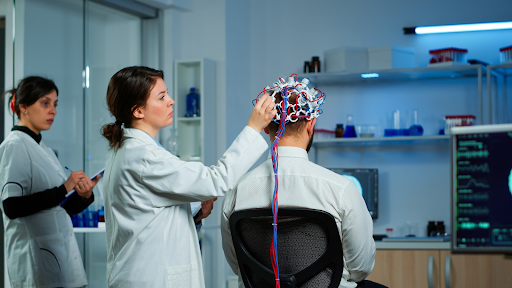
During TMS therapy for depression, a magnetic coil is placed against the scalp. This device delivers repetitive magnetic pulses to the targeted area of the brain. Over time, these pulses can influence neural pathways and improve communication between brain cells involved in mood control.
Treatment typically involves:
- Daily sessions over several weeks
- Each session lasting approximately 20 to 40 minutes
- No need for anaesthesia or recovery time
Patients remain awake and can return to normal activities immediately after each session.
Who May Benefit From TMS Therapy
TMS therapy is often recommended for individuals who:
- Have not responded adequately to antidepressant medications
- Experience side effects that limit medication use
- Prefer a non-invasive treatment option
- Are seeking additional support alongside therapy
Clinicians within mental health services in Australia carefully assess each patient to determine whether TMS is appropriate based on their medical history and treatment goals.
Benefits Of TMS Therapy
Non-Invasive And Well-Tolerated
TMS does not involve surgery or medication, reducing the risk of systemic side effects. Most patients tolerate the treatment well, with minimal discomfort.
Targeted Approach
By focusing on specific brain regions, TMS provides a more precise intervention compared with general treatments.
Minimal Disruption To Daily Life
Patients can continue their normal routines during the course of treatment, making it suitable for those with work or family commitments.
Potential For Lasting Improvement
Some patients experience long-term relief from depressive symptoms, particularly when TMS is combined with other forms of care.
Possible Side Effects And Considerations
While TMS is generally considered safe, patients should be aware of potential side effects, which may include:
- Mild scalp discomfort during treatment
- Headaches, particularly in early sessions
- Tingling sensations at the treatment site
Serious side effects are rare but should be discussed with a qualified clinician before starting treatment.
Patients should also consider the time commitment required, as consistent attendance over several weeks is important for achieving optimal results.
The Role Of TMS Within A Broader Treatment Plan
TMS therapy is most effective when integrated into a comprehensive mental health strategy. This may include:
- Psychological therapies such as cognitive behavioural therapy
- Lifestyle adjustments, including regular exercise and sleep management
- Ongoing support from mental health professionals
Within mental health services in Australia, TMS is often used as part of a multidisciplinary approach, ensuring that patients receive well-rounded care.
What To Expect During The Treatment Journey

Initial Assessment
Before starting TMS, patients undergo a thorough evaluation to confirm the diagnosis of depression and assess treatment suitability.
Personalised Treatment Plan
Clinicians tailor the treatment protocol to the individual, including the intensity and frequency of sessions.
Ongoing Monitoring
Progress is monitored throughout the treatment period, allowing adjustments to be made as needed.
Follow-Up Care
After completing TMS therapy, patients may continue with other treatments or maintenance sessions to sustain improvements.
Choosing The Right Provider
Selecting a reputable provider is essential for safe and effective treatment. Patients should look for:
- Qualified and experienced clinicians
- Accredited clinics offering TMS therapy
- Clear communication about treatment expectations
- Access to comprehensive mental health services in Australia
A supportive clinical environment can make a significant difference in the overall treatment experience.
Conclusion
TMS therapy for depression is an innovative and promising option for individuals seeking additional support in managing their mental health. As part of modern mental health services in Australia, it offers a non-invasive, targeted approach that can complement traditional therapies and improve outcomes for patients with persistent symptoms.
By understanding how TMS works, what to expect during treatment, and how it fits into a broader care plan, patients can make informed decisions about their mental health journey. With the guidance of experienced clinicians, TMS therapy can provide a valuable pathway towards improved mood, better functioning, and enhanced overall wellbeing.