

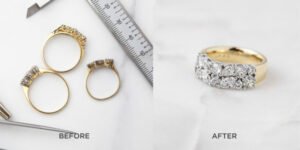
Unused jewelry sitting in drawers represents both sentimental attachment and untapped financial value that many people struggle to address.
Old pieces from past relationships, inherited items that don’t match personal style, or outdated designs accumulate over years without serving any practical purpose.
Transforming these dormant assets into cash, redesigned pieces, or charitable contributions creates opportunities for fresh starts and meaningful change.
Why People Hold Onto Unworn Jewelry
Emotional attachment, guilt, uncertainty about value, and simple inertia keep jewelry boxes filled with pieces that never get worn.
Understanding these psychological barriers helps people move past obstacles preventing them from making beneficial changes.
The average person owns jewelry worth thousands of dollars that hasn’t been worn in years, representing significant locked capital.
Common reasons for jewelry accumulation:
- Sentimental value from gifts, inheritances, or special occasions creating guilt about selling
- Uncertainty about actual monetary worth preventing informed decisions
- Hope that styles will come back or recipients will eventually want inherited pieces
- Guilt about selling gifts from family members or former partners
- Procrastination and avoidance of decisions requiring emotional processing
- Lack of knowledge about selling, redesigning, or repurposing options
- Fear of regret after parting with items that can’t be recovered
- Storage convenience making it easier to keep than address
Emotional Benefits of Letting Go
Releasing jewelry tied to past chapters creates psychological space for new experiences and relationships. Physical decluttering often triggers emotional clarity and renewed energy for present circumstances.
The act of letting go represents self-permission to move forward rather than remaining anchored to past identities or relationships.
Closure After Relationship Endings
Selling or transforming jewelry from ended relationships symbolically completes emotional closure many people need for healing. Keeping reminders of past partnerships often prevents full emotional availability for new connections.
Processing Grief and Loss
Inherited jewelry from deceased loved ones carries complicated emotions balancing memory preservation with practical reality. Transforming pieces into cash for meaningful purposes can honor loved ones while serving present needs.
Releasing Outdated Self-Identity
Jewelry from younger years or different life phases may represent versions of self that no longer exist. Releasing these physical markers acknowledges personal growth and evolution.
Creating Mental Clarity
Physical clutter contributes to mental overwhelm and decision fatigue in subtle but measurable ways. Clearing out unused jewelry creates tangible progress that often motivates broader life organization.
Empowerment Through Action
Taking control of assets and making proactive financial decisions builds confidence and sense of agency. The simple act of selling unused items demonstrates capability and forward momentum.
Financial Advantages of Selling Old Jewelry
Gold, platinum, and precious gemstones maintain significant intrinsic value regardless of design trends or sentimental attachments.
Converting these assets to cash provides financial resources for current needs, goals, or investments.
Professional services that help you sell gold near you offer convenient ways to realize value from jewelry pieces gathering dust while receiving fair compensation based on current precious metal market rates.
Accessing Emergency Funds
Selling jewelry provides quick liquidity during financial emergencies without loan applications or credit checks. Gold and platinum maintain value making them reliable emergency reserves.
Funding New Goals and Dreams
Cash from sold jewelry can fund education, travel, home improvements, or business ventures previously seeming out of reach. Repurposing locked capital into active investments creates returns exceeding jewelry drawer storage.
Debt Reduction Opportunities
Applying jewelry sale proceeds toward high-interest debt eliminates ongoing interest charges and improves financial stability. This strategy often saves more money than jewelry could ever appreciate.
Market Timing Advantages
Precious metal prices fluctuate, and selling during favorable market conditions maximizes returns. Monitoring gold and platinum markets helps optimize selling timing.
Tax-Free Transactions
Personal jewelry sales typically don’t trigger capital gains taxes, allowing sellers to keep entire proceeds. This tax advantage makes jewelry liquidation attractive compared to other asset sales.
Understanding Jewelry Value Assessment
Jewelry value depends on precious metal content, gemstone quality, designer provenance, condition, and current market prices.
Professional appraisers distinguish between insurance value, retail replacement cost, and actual resale value.
Understanding these distinctions prevents disappointment and helps set realistic expectations about potential proceeds.
Precious Metal Content Evaluation
Gold karatage (10K, 14K, 18K, 24K) determines pure gold percentage and directly affects value calculations. Platinum and silver content similarly drives base value independent of design or craftsmanship.
Gemstone Quality Grading
Diamond and colored gemstone values vary enormously based on carat weight, cut, color, and clarity characteristics. Professional gemological assessment determines accurate quality grades affecting valuations.
Designer and Brand Considerations
Signed pieces from prestigious designers like Cartier, Tiffany, or Van Cleef command premiums beyond metal and stone values. Documentation and authenticity verification prove essential for realizing designer premiums.
Condition and Wear Assessment
Damaged, worn, or altered jewelry may only achieve scrap metal value regardless of original quality. Pristine condition with original components maximizes both resale and redesign potential.
Current Market Price Fluctuations
Gold, platinum, and silver prices change daily based on global economic factors affecting jewelry values. Tracking market trends helps identify favorable selling opportunities.
Options Beyond Selling
Jewelry transformation extends beyond simple sales to include redesign, repurposing, and charitable donation options. These alternatives preserve material value while creating new utility or meaning. Exploring all possibilities ensures decisions align with personal values and practical needs.
Custom Redesign and Remodeling
Jewelers can transform dated pieces into contemporary designs using original metals and gemstones. This option preserves sentimental value while creating wearable pieces matching current style preferences.
Stone Remounting Projects
Extracting gemstones from unworn settings and placing them in new designs creates fresh pieces from old materials. This approach works particularly well for quality stones in outdated or damaged settings.
Melting and Recasting Options
Jewelers can melt gold jewelry and recast metal into entirely new pieces with modern designs. This complete transformation creates something new while maintaining metal value.
Family Heirloom Redistribution
Passing jewelry to family members who will appreciate and wear pieces honors original intent while clearing personal collections. This option works best when recipients genuinely want items.
Charitable Donation Opportunities
Donating jewelry to qualified charities provides tax deductions while supporting causes aligned with personal values. Some organizations specifically accept jewelry donations funding their missions.
Where and How to Sell Jewelry
Multiple selling channels exist, each with distinct advantages, disadvantages, and appropriate use cases.
Understanding options helps sellers choose approaches matching their priorities regarding convenience, speed, and maximum proceeds.
Research and comparison shopping across channels typically yields better results than accepting first offers.
Local Gold Buyers and Dealers
Local buyers provide immediate payment and face-to-face transactions building trust and allowing negotiation. Services like www.sellgoldjewelryrockford.com offer professional evaluation and competitive pricing for sellers seeking convenient, trustworthy local options without shipping risks or delays.
Online Jewelry Marketplaces
Platforms like eBay, Etsy, and specialized jewelry sites reach broad audiences but require time, photography skills, and risk management. This option works best for unique, designer, or vintage pieces commanding premium prices.
Consignment Shops and Antique Dealers
Consignment arrangements allow time to achieve better prices but delay payment and involve commission splits. This approach suits non-urgent sales of distinctive pieces with specialized appeal.
Pawn Shops for Quick Cash
Pawn shops offer immediate cash but typically pay significantly less than other channels. This option serves emergency financial needs when speed matters more than maximum proceeds.
Auction Houses for High-Value Pieces
Major auction houses handle exceptional jewelry achieving highest prices but require significant value justifying their services. Authentication, cataloging, and auction processes take months before payment receipt.
Private Sales to Individuals
Selling directly to interested parties eliminates middleman costs but requires finding buyers and managing negotiations. This approach demands more effort but potentially yields better returns.
Life Transitions Prompting Jewelry Decisions
Major life changes often trigger jewelry reassessment as people realign possessions with new circumstances and identities.
These transitional moments provide natural opportunities to address accumulated jewelry with clarity about current needs.
Recognizing these pivot points helps people act decisively rather than continuing indefinite storage.
Divorce and Relationship Endings
Divorce commonly prompts decisions about engagement rings, wedding bands, and jewelry gifts from former partners. Selling these items provides closure and financial resources for establishing independent lives.
Retirement and Lifestyle Simplification
Retirees often downsize possessions including jewelry collections that no longer fit simplified lifestyles. Converting jewelry to cash supplements retirement income or funds travel and hobbies.
Moving and Relocation
Moving provides natural decluttering opportunities when packing forces inventory of all possessions. Selling jewelry reduces items requiring packing, moving, and storage in new locations.
Inheritance and Estate Settlement
Receiving inherited jewelry creates decisions about keeping, distributing, or selling pieces. Many heirs sell inherited items they won’t wear, using proceeds for meaningful purposes.
Financial Challenges and Changes
Job loss, medical expenses, or unexpected costs make jewelry sales attractive for meeting immediate financial needs. Previously ignored assets become valuable resources during difficult periods.
Personal Growth and Style Evolution
Evolving taste and personal style makes previously loved jewelry incompatible with current aesthetic preferences. Selling outgrown pieces funds acquisitions better matching present identity.
Conclusion
Old jewelry represents opportunities for financial resources, emotional closure, and fresh starts rather than obligations to maintain unworn collections. Whether selling for cash, redesigning into wearable pieces, or donating for tax benefits, taking action transforms dormant assets into active resources.