

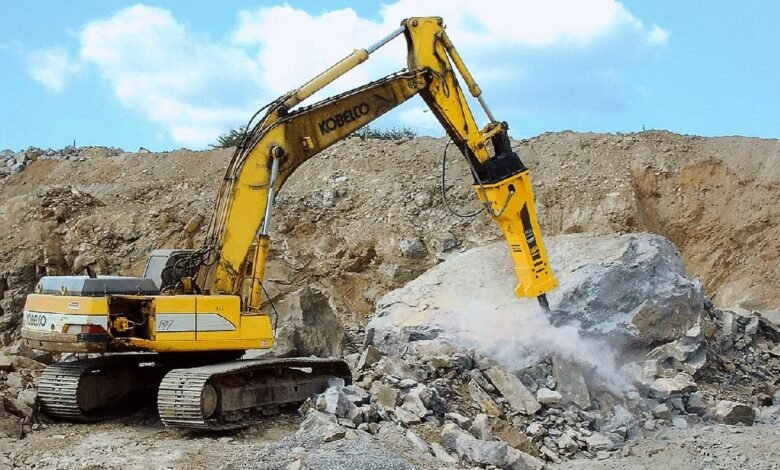
Heavy machinery maintenance requires strict adherence to technical standards and operational protocols. Operators must maintain a high level of situational awareness to protect the work environment and the machine itself. Consistent focus on mechanical integrity ensures that every task proceeds with maximum efficiency. Proper training prepares personnel to handle powerful tools with precision and care. This article provides essential strategies to maintain a professional standard during material demolition tasks.
Operator Preparedness and Equipment Inspection
Success starts with a thorough check of all mechanical components before the engine starts. Operators examine the hydraulic breaker hammer for leaks or loose bolts that might affect performance. Lubrication levels must meet the manufacturer’s specifications to prevent internal friction and heat buildup. Every connection between the carrier and the attachment requires a solid lock to ensure stability. Clean surfaces allow for a better view of potential wear on the tool bit.
Essential Protective Gear and Site Readiness
Protective equipment serves as the primary defense for every person on the job site. High-visibility vests and hard hats create a professional environment where everyone remains visible. Steel-toed boots and heavy gloves offer necessary protection against heavy debris and sharp edges. Clear communication signals help the team coordinate movements without confusion. The following list identifies the core components of a professional safety kit.
- Hard hats protect the head from falling debris during overhead demolition tasks.
- Safety glasses shield the eyes from small stone chips and dust particles.
- Ear protection reduces the impact of loud mechanical noise on the operator.
- Reflective vests ensure that ground crews remain visible to the machine operator.
Standard Operational Protocols
The machine must remain at a ninety-degree angle to the material surface for the best results. Constant pressure prevents the tool from sliding and causes the force to hit the target directly. Operators avoid blank fire because this action sends unnecessary shock waves through the internal components. Short bursts of power break the material more effectively than continuous cycles. A steady pace prevents the tool from overheating during long shifts.
Work Area Management and Exclusion Zones
A secure perimeter keeps unauthorized personnel away from the active work zone. Barriers and signs clearly mark the boundaries where heavy debris might fall. Operators scan the area for underground utilities or overhead power lines before they begin any movement. Dust suppression techniques maintain clear visibility for everyone in the vicinity. The following sentence introduces the critical steps for site management.
- Barriers prevent pedestrians from entering the immediate radius of the machine.
- Signs alert workers to the specific zones where debris might fly.
- Water sprays control dust levels to keep the air clear and breathable.
- Spotters help the operator navigate tight spaces where blind spots exist.
Post Operation Maintenance Tasks
Routine checks after a shift help identify issues before they become serious problems. The hydraulic breaker hammer needs a cool-down period before any manual inspections occur. Operators wipe down the tool bit and check for any cracks or metal fatigue. Grease application at the end of the day prepares the unit for the next morning. These simple habits extend the life of the attachment and ensure consistent reliability.
Professional excellence in demolition requires a focus on systematic maintenance and steady operational habits. Consistent inspections verify that every component functions at peak capacity while protecting the crew. High standards for site management ensure that every project moves forward without unnecessary delays. Proper lubrication and correct tool angles preserve the mechanical integrity of the equipment. These proactive strategies establish a foundation for success and durability in every heavy construction environment.