

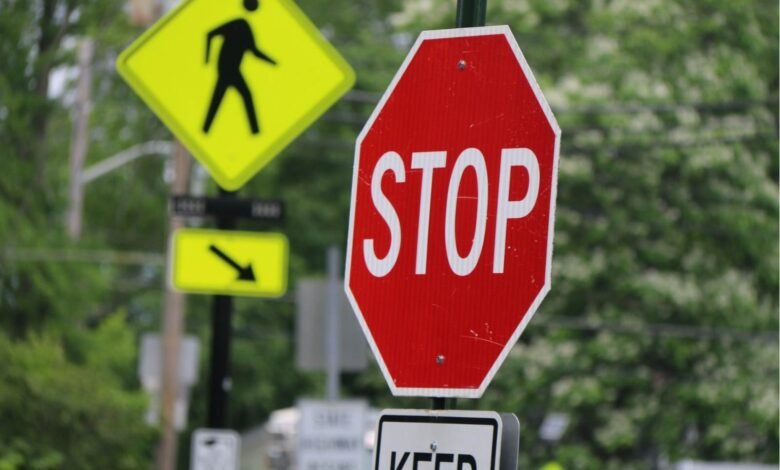
Right turns are one of the most dangerous moments for pedestrians, especially at intersections with stop signs or red lights. Many drivers treat right-on-red as routine and focus on oncoming cars instead of checking the crosswalk. A driver may roll through the stop, glance left for traffic, and turn without ever looking for someone crossing—one split-second mistake that can cause devastating injuries.
These crashes are especially frustrating because pedestrians often have the right-of-way. Even when someone is walking legally in a marked crosswalk and following signals, a distracted or impatient driver can still hit them. Knowing why these collisions happen—and how liability is proven—helps injured pedestrians protect their rights and prevent drivers from shifting the blame.
Why Right-On-Red Is So Dangerous For Pedestrians
Right-on-red feels low-risk to drivers because they’re usually moving slowly. But even low-speed impacts can cause serious harm to a pedestrian. A turning vehicle can knock someone down, fracture bones, cause head injuries, or drag a person under the wheels. The danger isn’t speed—it’s unpredictability and lack of protection.
Drivers also tend to treat right turns as an “afterthought” at intersections. They stop late, don’t fully pause, and assume the crosswalk is clear without looking carefully. Pedestrians, on the other hand, often assume the driver sees them. That mismatch in expectations is one reason these collisions happen so often.
The “Look Left Only” Problem
One of the most common causes of right-on-red pedestrian crashes is a driver who looks left only. Drivers are trained to scan for oncoming vehicles because that’s what can hit them. But pedestrians approach from the right, and crosswalks require drivers to look in both directions.
This becomes especially dangerous when a pedestrian enters the crosswalk while the driver is looking left. The driver may begin turning as the pedestrian steps forward. Even if the driver stops in time, the pedestrian may already be in danger because the vehicle’s path cuts directly through the crosswalk.
Rolling Stops And Failure To Yield At Stop Signs
Stop signs create similar risks because many drivers don’t fully stop. They slow down, roll forward, and assume the intersection is clear. Pedestrians crossing in front of the stop sign may be hit because the driver is already moving before they notice anyone in the roadway.
Failure to yield is one of the most common legal issues in these crashes. If a pedestrian was in the crosswalk or had the right-of-way, the driver is typically required to wait. Rolling through stops doesn’t just violate traffic laws—it creates a predictable hazard for anyone walking nearby.
Right Turns On Green Can Be Just As Dangerous
Even without a red light, pedestrians are at risk during right turns. Many intersections allow vehicles to turn right on green while pedestrians are crossing with a walk signal. Drivers may accelerate to make the turn quickly before traffic builds, and they may miss a pedestrian already in the crosswalk.
This often happens during “right hook” collisions, where a car passes a pedestrian or cyclist and then turns into their path. In pedestrian cases, the driver may focus on the turn lane and the traffic flow while ignoring the crosswalk entirely.
Distraction And “Quick Decision” Driving
Right-on-red turns are often done quickly, and quick decisions are where distraction becomes deadly. Drivers may be checking navigation, looking at their phone, talking to passengers, or trying to watch multiple things at once. When attention is split, pedestrians become invisible.
Even a moment of distraction is enough. A driver who glances away for two seconds may miss a pedestrian stepping into the crosswalk. When the driver turns, the pedestrian has no time to react and often cannot escape the vehicle’s path.
Poor Visibility And Intersection Design Issues
Some intersections are designed in ways that increase pedestrian risk. Parked cars near corners can block a driver’s view of the crosswalk. Large utility poles, signage, or landscaping can create blind spots. Poor lighting makes it harder to see pedestrians at night, especially in dark clothing.
Some crosswalk markings are faded or missing, and some intersections lack pedestrian signals altogether. While a driver still has a duty to yield, poor design can contribute to collision risk—and in some cases, it may affect broader liability investigations.
Why Drivers Often Blame Pedestrians After These Collisions
After a right-turn collision, drivers frequently claim the pedestrian “came out of nowhere” or “walked into traffic.” This is a common defense strategy. It tries to shift fault away from the driver’s failure to yield and onto the pedestrian’s presence in the crosswalk.
That’s why evidence matters. Many pedestrians were crossing legally, but the driver assumes they can turn because they stopped briefly or didn’t see anyone. Proving the crosswalk position, signal timing, and driver behavior becomes critical in protecting the claim value and preventing unfair blame.
Evidence That Helps Prove Fault In Right-On-Red Crashes
Pedestrian collision cases rely heavily on evidence. Helpful evidence includes:
- Surveillance footage from nearby businesses or traffic cameras
- Dashcam recordings
- Witness statements from other pedestrians or drivers
- Police crash reports and intersection diagrams
- Photos of crosswalk markings, signage, and visibility issues
- Vehicle damage patterns showing impact direction
- Medical records documenting injury severity
In many cases, footage is the most powerful tool because it shows whether the pedestrian had the right-of-way and whether the driver failed to stop or yield properly.
When A Lawyer Becomes Important In A Pedestrian Injury Claim
Pedestrian injuries are often serious, and insurance companies frequently try to minimize these cases by blaming the pedestrian or questioning medical treatment. Even when the driver was clearly at fault, insurers may argue that injuries were “not that bad” or that treatment was excessive.
In the middle of these disputes, working with a pedestrian injury lawyer can help gather evidence quickly, preserve video before it’s deleted, calculate full damages, and push back against tactics that reduce settlement value. Legal support is especially important when injuries involve head trauma, surgeries, long-term disability, or major time away from work.
Right-On-Red Collisions Are Preventable, But They’re Often Ignored
Right-on-red and rolling-stop collisions happen because drivers treat turning as routine and focus more on cars than on pedestrians. The “look left only” habit, rolling stops, distraction, and poor intersection visibility all create predictable risks. Pedestrians are often hit even when they obey signals and use crosswalks correctly—simply because the driver failed to yield.
If you’re injured in one of these crashes, it’s important to document everything early and avoid accepting blame that doesn’t belong to you. These collisions are preventable, and liability often comes down to a driver’s impatience or inattention—not pedestrian behavior. When the evidence is preserved and the claim is handled properly, pedestrians can pursue compensation that reflects the true impact of a preventable intersection injury.