

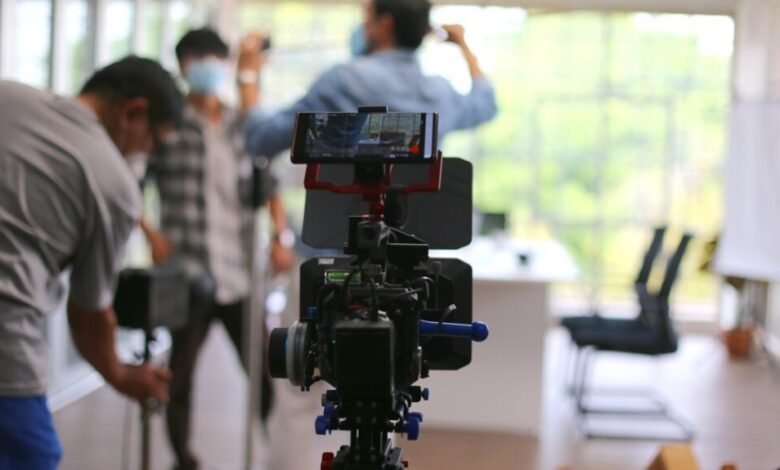
A professional video shoot can make your brand look polished, trustworthy and current—but only if it’s planned properly. In a city like Brisbane where businesses compete hard for attention across social feeds, search results and streaming platforms, you don’t just need great footage; you need a well-organised production that hits your goals without blowing the budget.
Whether you’re creating a brand film, testimonial series, training content or social ads, thoughtful pre-production is where success is decided. Once the cameras roll, you want everyone focused on performance and storytelling, not scrambling over last-minute details.
If you’re working with a local video production Brisbane partner or planning to bring one on board, this guide will help you approach your next shoot like a pro.
Clarify the Purpose and Audience Before Anything Else
Every strong video starts with a clear answer to two questions: why are you making this and who is it for?
The purpose might be to generate leads, support a sales presentation, improve onboarding, recruit staff or build brand awareness in a new part of Brisbane. Each goal calls for a different style and format. For example, a recruitment video needs more behind-the-scenes culture; a lead-generation piece might focus on clear benefits and a strong call-to-action.
Once the purpose is defined, get specific about your audience. Think about their role, pain points and what they already know. A CEO in the CBD will respond to different messaging compared to a homeowner in the suburbs or a site manager on an industrial project. A tight brief here will guide everything else: script, visuals, location and distribution.
Turn Your Message into a Simple, Visual Story
With your goal and audience set, the next step is shaping your message into a story that can be shown, not just told. Video works best when viewers can understand what’s happening even with the sound off, so think visually from the start.
Outline a simple structure such as “problem – impact – solution – result” or “before – during – after.” Decide which scenes, locations and people will best bring that to life. For example, a Brisbane trade business might move from an office phone ringing off the hook to shots of technicians in the field and then to a happy customer signing off a job.
At this stage, you or your production partner can develop a script and storyboard. These tools keep everyone aligned on what will be captured, reduce wasted time on the day and make it easier to keep your final edit under control.
Choose Locations That Support Your Story (and Your Schedule)
Brisbane offers plenty of visual variety: riverfront offices, industrial hubs, leafy streets and light-filled interiors. When planning locations, balance how good they look with how practical they are.
Consider travel time between spots, parking, access for gear, noise levels, natural light and any permits you may need. A location that looks perfect on camera but sits under a flight path or next to roadworks can quickly derail your audio.
If you’re shooting in your own workplace, think about decluttering, branding and how busy the space will be. It’s often worth scheduling key scenes early in the day before phones start ringing and staff need meeting rooms.
Plan Your Talent and Schedule Around Energy
Whether you’re using professional actors or your own team, people are at the heart of most productions. Choose talent who are comfortable on camera, represent your brand well and can commit enough time to do multiple takes calmly.
For internal staff, give them plenty of notice and a simple outline of what they’ll be talking about. Reassure them that natural delivery is better than memorised scripts; they can rely on prompts and do retakes as needed.
Create a realistic schedule that builds in buffer time. Shoots almost always run over their estimated duration, especially if you’re changing locations or setups. Plan higher-stakes interviews and performance-heavy scenes when people are fresh, and leave simpler cutaway shots or B-roll for later in the day.
Coordinate with Your Production Team Early
The earlier you bring your production partner into the conversation, the smoother the day will run. A local team such as Angry Chair, for example, understands the climate, light and logistics that come with Brisbane’s weather and layout.
Share your objectives, story outline, brand guidelines and any non-negotiables (like must-film locations or key spokespeople) well in advance. Ask your video production company brisbane to advise on shot lists, crew size, gear, lighting, audio requirements and contingency plans.
Good communication up front helps avoid common pitfalls: not enough time for setup, missing critical shots, poor audio due to environment, or trying to cram three videos into one half-day shoot.
Prepare the Details That Make a Shoot Feel Professional
Small details make a big difference to how polished your final video feels. Before shoot day, confirm wardrobe guidelines (solid colours often work best), ensure logos are consistent, and remove dated signage or clutter that doesn’t match your current brand.
If you’re filming in offices or public spaces, inform staff about the schedule so they know when filming is in progress and where they should or shouldn’t walk. Have backup options ready for weather changes if you’re planning outdoor shots, especially during Brisbane’s wetter months.
It’s also helpful to appoint one internal point-of-contact who can make quick decisions, coordinate access and answer questions from the crew.
Think Ahead to Editing, Distribution and Reuse
Planning doesn’t stop when the cameras roll. While you’re still in pre-production, think about how you will use the final footage over the next 6–12 months.
Decide on your primary format (for example, a two-minute hero video) and then identify how you could repurpose material into shorter clips for social media, website banners, email campaigns or paid ads. Capturing a bit of extra B-roll or an additional soundbite during the shoot can give your editor more options later.
Also consider where your video will live: on a landing page, YouTube, LinkedIn, your homepage or at events. Each platform has its own ideal length, aspect ratio and style, and a well-planned shoot makes it easier to export multiple versions without needing another production.
Bringing It All Together
A professional shoot isn’t just about high-end cameras and lights. It’s about clarity of purpose, thoughtful storytelling and careful coordination. When you define your objective, know your audience, plan your locations, look after your talent and collaborate closely with a Brisbane-based production team, you give your project the best chance of delivering content that looks great and actually achieves something.
With the right preparation, your next video won’t just be another asset in the library—it will be a piece of content that consistently supports your marketing, sales and brand-building efforts in a way that feels distinctly local and genuinely professional.