

Have you ever looked around your home and thought it needed a change, but the idea of a full renovation felt like too much to handle? With rising material costs and longer project timelines, many homeowners are stepping back from big remodels. In this blog, we will share how to improve your home in practical ways that make a real difference without tearing everything apart.
Start with Everyday Function Instead of Big Changes
Improving a home does not always begin with tearing down walls or replacing entire rooms. It often starts with noticing where daily life feels slow or inconvenient. These small friction points build over time, and once they are removed, the entire space begins to feel easier to use.
Take your kitchen, for example. If counters are always crowded, clearing them and organizing cabinets can change how the space works without replacing anything. Adding under-cabinet lighting improves visibility and makes the room feel more open. These changes cost little but affect how you use the space every day.
Bathrooms follow a similar pattern. Replacing old fixtures, improving water pressure, or adding better lighting creates a cleaner and more functional space. These updates do not require major work, yet they improve comfort immediately.
Clean, Maintain, and Restore What You Already Have
One of the most overlooked ways to improve a home is by restoring what is already there. Over time, surfaces collect dirt, wear, and minor damage that slowly changes how a home feels, even if nothing is technically broken.
Windows are a good place to start. Clean glass allows more light into your home, which changes how every room feels. For many homeowners, knowing how to clean impact windows becomes part of regular upkeep, since proper cleaning keeps the glass clear while helping it hold up against long-term wear.
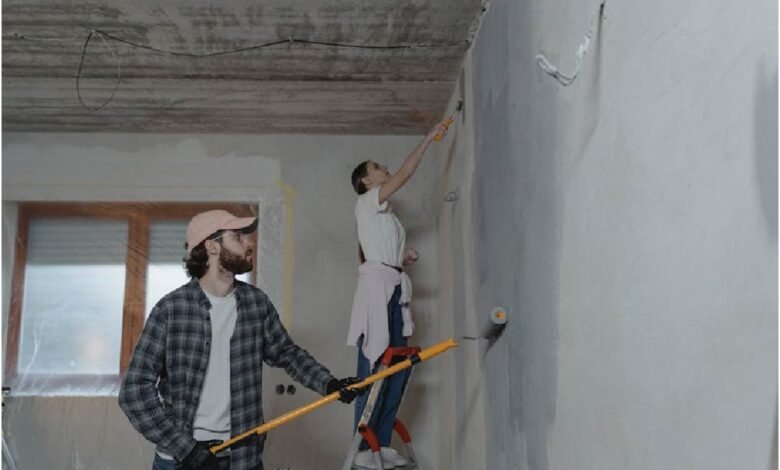
Walls and floors also benefit from attention. Scuffed paint or worn surfaces make a space feel older than it is. A fresh coat of paint or a deep clean brings back a cleaner look without changing the structure of the home.
Appliances and fixtures should be checked as well. Tightening loose handles, fixing minor leaks, or cleaning buildup around sinks and showers keeps everything working as it should. These are small tasks, yet they prevent larger problems from forming later.
With supply chains still affecting how quickly materials arrive, restoring what you already have has become a practical approach. It keeps your home in good condition without waiting on large projects.
Improve Lighting to Change How Spaces Feel
Lighting has a strong influence on how a home looks and functions, yet it often gets overlooked because it does not seem like a major upgrade. In reality, adjusting lighting can change an entire room without touching its structure.
Start by replacing outdated fixtures with ones that provide clearer, more even light. Rooms that feel dim often appear smaller and less inviting, while well-lit spaces feel more open and usable. Layering light also helps. Combine overhead lighting with lamps or task lights to create balance.
Natural light should be part of this conversation as well. Clean windows, lighter curtains, and open layouts allow more daylight to move through your home. This reduces the need for artificial lighting during the day and improves how spaces feel.
There is also a broader trend here. With more people spending time indoors, lighting has become tied to mood and productivity. A well-lit space supports both work and relaxation without requiring major changes.
Declutter to Create Space Without Expanding
It is easy to think that improving a home means adding more, but in many cases, removing items creates a bigger impact. Clutter builds slowly, and once it reaches a certain point, it affects how every room functions.
Start by clearing surfaces that collect unused items. Kitchen counters, entry tables, and living room shelves often become storage without intention. Removing what you do not use makes these spaces easier to manage.
Storage solutions help, but they do not need to be complex. Simple shelves, bins, or organizers can keep items in place without turning storage into a project. The goal is to make it easier to put things away and easier to find them later.
This shift toward simpler living has grown alongside rising housing costs. As people work with smaller spaces, efficiency becomes more important than size. A well-organized home feels larger and more functional without changing its footprint.
Update Small Details That Carry Visual Weight
Some improvements seem minor until they are done, and then their impact becomes clear. Details like hardware, fixtures, and finishes shape how a home feels even if they do not stand out individually.
Replacing cabinet handles, updating light switches, or installing new faucets creates a cleaner and more consistent look. These changes take little time but bring a sense of completion to a space.
Doors and trim also matter. A freshly painted door or repaired trim gives the home a maintained appearance without requiring structural work. These details often go unnoticed until they are improved.
Outdoor elements follow the same pattern. A new mailbox, updated house numbers, or cleaned entryway changes how the home looks from the street. These small updates improve curb appeal without requiring large investments.
There is a quiet irony here. People often focus on large projects while ignoring these details, even though they shape first impressions more than major changes.
Make Comfort the Priority Instead of Trends
Trends come and go, often faster than people expect. What remains constant is how a home feels when you live in it every day. Improvements that focus on comfort tend to last longer than those based on style alone.
Start with airflow and temperature control. Adjusting vents, using fans, and sealing gaps keeps rooms at a consistent temperature. This reduces strain on your systems and makes the home more comfortable.
Furniture placement also affects comfort. Arranging pieces to allow movement and access improves how spaces are used. It may seem simple, yet it changes how the home functions.
Textiles play a role as well. Switching to lighter fabrics during warmer months or adding heavier ones during cooler periods helps regulate comfort without major changes.
As more people spend time at home, comfort has become a defining factor in how spaces are valued. Homes that feel easy to live in tend to hold that value over time.
Keep Changes Manageable and Build Over Time
The biggest mistake in home improvement is trying to do everything at once. Large projects often start with energy and then lose momentum, leaving spaces unfinished and routines disrupted.
Instead, focus on one change at a time. Complete it, see how it affects your daily life, and then move to the next. This approach keeps progress steady without adding stress.
Budget becomes easier to manage as well. Smaller updates spread over time allow you to improve your home without large financial pressure.