

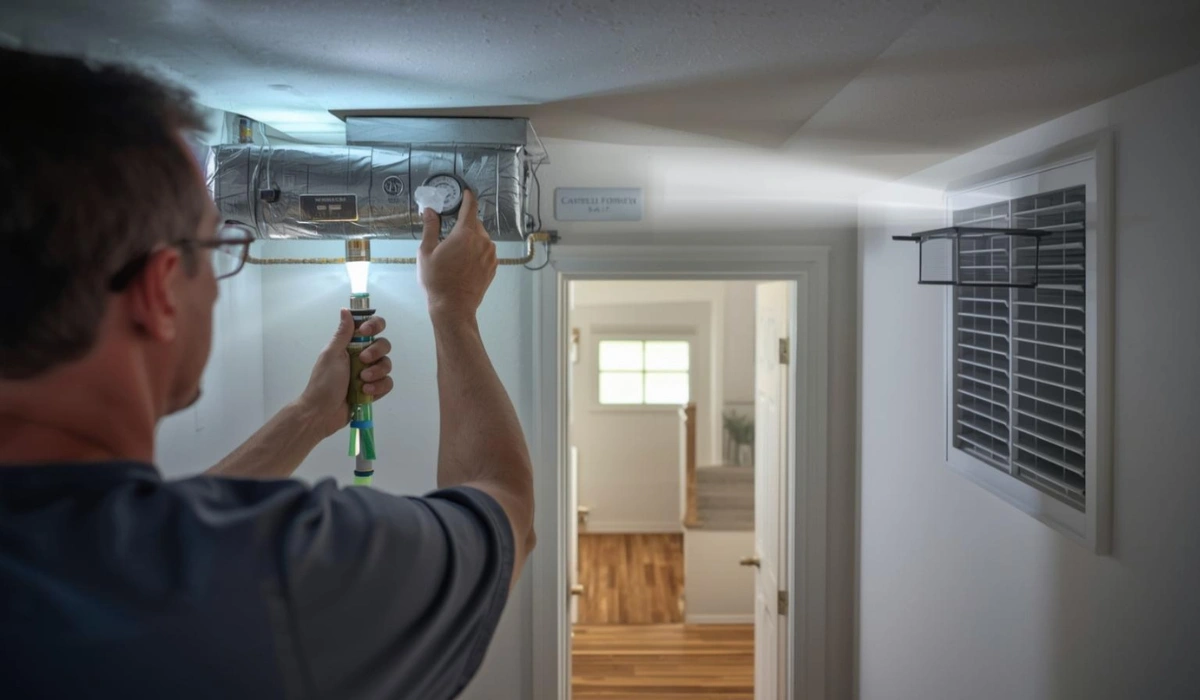
Improving airflow in your home is vital for maintaining comfort, energy efficiency, and indoor air quality. Poor airflow can lead to uneven temperatures, reduced comfort levels, and unnecessary strain on your heating and cooling system. When air doesn’t circulate properly, rooms can feel stuffy, and your HVAC system has to work harder to maintain the desired temperature. We will explore practical methods to enhance airflow through regular maintenance, smart upgrades, and informed homeowner practices. Whether you’re facing hot spots, weak vents, or high energy bills, understanding how to optimize your HVAC service and system configuration can make a substantial difference in how air moves throughout your living space.
Key Steps to Improve Home Airflow Through HVAC Service
- Regular Filter Maintenance and Replacement
Clean filters are the cornerstone of proper airflow. Air filters trap dust, pet hair, pollen, and other airborne particles, but as they collect debris, they become clogged and restrict air movement. A clogged filter forces your HVAC blower to work harder, which can decrease efficiency and reduce the volume of air reaching your rooms. To maintain effective airflow, check your filters monthly and replace them according to the manufacturer’s recommendations or whenever they appear dirty. High-quality filters with appropriate MERV ratings for your home can capture contaminants while allowing sufficient airflow. Additionally, households with pets or high dust levels may need to change filters more frequently. Regular filter maintenance not only supports airflow but also contributes to healthier indoor air by reducing circulating allergens and pollutants. For homeowners seeking guidance, a Tucson HVAC contractor can provide professional recommendations for filter types and maintenance schedules to ensure optimal air circulation.
2. Duct Inspection and Sealing
HVAC ducts are the channels through which conditioned air travels to every room. If there are leaks, gaps, or poor connections in your ductwork, a significant portion of conditioned air can be lost before reaching its destination. This loss results in weakened airflow at vents and uneven temperatures throughout your home. Professional HVAC service technicians can inspect your ducts using tools such as smoke pencils or infrared cameras to detect areas where air is leaking. Once identified, technicians can seal leaks with appropriate materials such as mastic sealant or metal-backed tape, ensuring the airflow path remains intact. In addition to sealing leaks, technicians can assess duct insulation. Properly insulated ducts help maintain air temperature as it travels, which not only enhances airflow but also boosts overall system performance and comfort throughout your home.
3. Balancing Air Distribution with Dampers and Registers
Even if your HVAC system and ducts are in good condition, airflow may still feel uneven if air distribution isn’t balanced. Balancing ensures that each room receives an appropriate amount of conditioned air. Many HVAC systems include manual or automatic dampers within the ductwork that control how much air flows to specific areas. An HVAC service professional can adjust these dampers to balance airflow according to your home’s layout and usage patterns. Additionally, ensure that all supply vents and return registers are fully open and unobstructed by furniture, curtains, or other objects. Sometimes, simply repositioning items in the room can improve airflow dramatically. Periodic checks and adjustments to your dampers and registers help maintain a comfortable, even airflow across each living space, preventing hot or cold spots and reducing unnecessary workload on your system.
4. Cleaning and Maintaining Vents and Returns
Air vents and return grilles are the interface between your living space and your HVAC system, and they need attention just as much as internal components. Over time, vents can accumulate dust, debris, and other obstructions that inhibit air movement. Regularly vacuuming and wiping down vents can remove build‑up that restricts airflow. In some homes, vents may be located in areas that collect more dust or are frequently blocked by furniture or décor. Ensuring vents are unobstructed and clean allows air to flow freely into and out of the system, helping maintain balanced temperatures and reducing system strain. During an HVAC service visit, technicians can also clean hard‑to‑reach duct openings and assess whether vent sizes are appropriate for the rooms they serve. Correct vent sizing and placement contribute to smoother airflow and a more comfortable environment throughout the home.
Improving airflow through regular HVAC service and thoughtful home practices can transform your indoor comfort and energy efficiency. By maintaining clean filters, inspecting and sealing ducts, balancing air distribution, ensuring vents are unobstructed, upgrading key components, and scheduling seasonal tune‑ups, you support steady air movement throughout your living space. These efforts not only enhance comfort but also help your HVAC system operate more efficiently and last longer. Prioritizing airflow is a proactive step toward a healthier, more comfortable living environment.
Improving airflow in your home through attentive HVAC care has lasting benefits that go beyond immediate comfort. Enhanced airflow leads to more even temperatures, reduced energy waste, and smoother system operation. Regular attention to filters, duct integrity, vent placement, and routine maintenance ensures that conditioned air travels where it’s needed without unnecessary resistance. Investing time and resources in maintaining and optimizing your HVAC system results in a home environment that feels comfortable year‑round. Thoughtful care keeps air moving efficiently, reduces strain on your equipment, and supports a healthier indoor atmosphere. Whether addressing seasonal changes or everyday airflow challenges, consistent HVAC service fosters a comfortable and energy‑efficient home.