

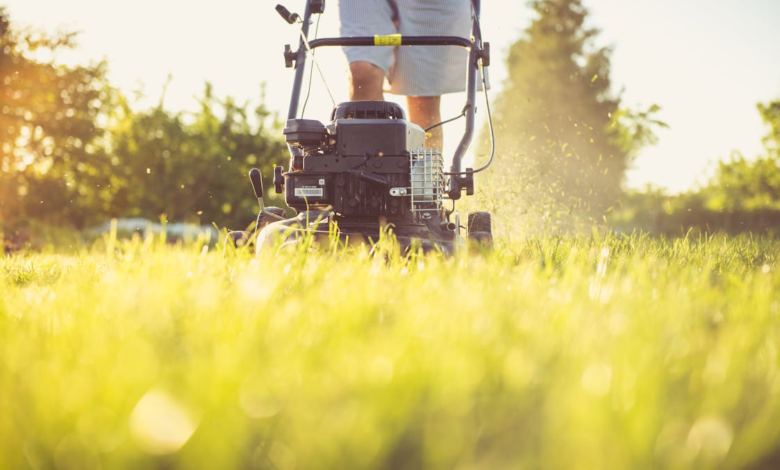
For many homeowners, lawn care used to come with a familiar routine. Saturday mornings often started with the loud sound of gas mowers and leaf blowers echoing through the neighborhood, and maintaining a yard required time, fuel, and patience. It also meant dealing with engine maintenance, refueling, and the lingering smell of gasoline. For years, this approach felt like the only practical way to keep a lawn looking healthy.
Homeowners today are starting to rethink that experience. Technology is rapidly reshaping how outdoor spaces are maintained, much like smart thermostats and security systems transformed indoor living. New tools now focus on efficiency, convenience, and environmental responsibility. Instead of relying purely on mechanical power, modern lawn care increasingly blends digital systems, automation, and energy-efficient equipment. The result is a shift away from noisy, high-maintenance routines toward smarter, quieter yard management that fits better into everyday life.
The Evolution of Lawn Care Tools: From Gas Engines to High-Efficiency Battery Power
For decades, gas-powered equipment defined lawn maintenance. These machines delivered the strength needed to handle thick grass, large yards, and heavy debris. However, they also required constant upkeep. Homeowners had to manage fuel storage, oil changes, spark plug replacements, and occasional engine repairs. As technology improved, manufacturers began exploring ways to deliver the same cutting performance while eliminating the complexity of combustion engines.
Advances in lithium-ion battery technology changed the conversation. In recent years, higher energy density, longer runtimes, and faster charging capabilities have enabled battery powered lawn equipment to achieve performance levels rivaling those of professional-grade gas tools. Modern cordless mowers, trimmers, and blowers now provide strong torque with far less noise and vibration. They also remove the need for fuel mixing and engine servicing. For many homeowners, this shift has made lawn care simpler, cleaner, and much easier to manage.
Robotic Mowers and the Rise of the “Set It and Forget It” Lawn
Automation is becoming one of the most noticeable upgrades in modern lawn care. Robotic lawn mowers allow homeowners to schedule mowing cycles through smartphone apps while the machine handles the physical work. These devices operate within defined boundaries and use sensors to navigate obstacles such as trees, garden beds, and pathways. Once programmed, they can maintain a lawn consistently without requiring constant supervision.
Frequent, light trimming keeps the grass at a consistent height, improving lawn health and appearance. Instead of cutting large sections at once, robotic mowers trim small amounts regularly. The clippings naturally decompose, returning nutrients to the soil. Many systems also integrate with weather forecasts and GPS mapping, allowing the mower to pause during rain or adjust its schedule automatically. This level of automation turns mowing into a background task rather than a weekly chore.
Smart Irrigation Systems and Weather-Synced Watering
Water management plays a major role in lawn health, but traditional sprinkler systems often operate on fixed schedules that ignore changing weather conditions. This can lead to wasted water, higher utility bills, and inconsistent plant growth. Smart irrigation systems solve this problem by connecting watering schedules to real-time weather data and soil conditions.
These systems automatically adjust based on rainfall, temperature, and humidity. If rain is expected, the controller delays watering. If soil moisture drops during a heatwave, it increases watering slightly to protect the lawn. Homeowners can manage everything through a mobile app, which lets them monitor water usage and adjust schedules remotely.
Precision Lawn Care with IoT Soil Sensors
Healthy lawns depend on more than mowing and watering. Soil conditions play a major role in how grass grows and responds to fertilizers, water, and seasonal changes. IoT soil sensors help homeowners understand what is happening beneath the surface. These small devices measure moisture levels, temperature, and nutrient balance directly in the soil. Instead of guessing, homeowners can rely on real data to guide their lawn care decisions.
Most sensors connect to mobile apps that display clear readings and alerts. If the soil becomes too dry, the system notifies the homeowner to adjust irrigation. If nutrient levels drop, it may suggest targeted fertilization rather than blanket treatments. Over time, the collected data also helps homeowners track seasonal trends and maintain healthier soil conditions.
AI-Powered Apps for Pest and Weed Detection
Identifying lawn problems used to require experience or professional help. Many homeowners struggled to tell the difference between weeds, insects, and disease damage. AI-powered lawn care apps now simplify that process. By taking a quick photo with a smartphone, users can receive instant identification of weeds, pests, or plant health issues. The technology analyzes images and compares them with large plant databases.
Once the issue is identified, the app usually provides treatment recommendations. These may include targeted herbicides, natural solutions, or adjustments in watering and mowing practices. Early detection is important because lawn problems spread quickly when ignored. With faster diagnosis, homeowners can act sooner and limit damage.
Quieter Lawn Care and the Social Benefits for Neighborhoods
Noise has always been one of the most frustrating parts of traditional lawn maintenance. Gas engines often produce high noise levels that can disturb neighbors, especially during early morning or weekend work. Quieter tools are changing that experience. Electric and cordless equipment operate at much lower sound levels while still delivering strong performance.
Reducing noise improves comfort for homeowners and nearby residents. People working from home or relaxing outdoors are less likely to be interrupted by yard maintenance. Quieter equipment also reduces operator fatigue because users are not exposed to loud engine noise for long periods. As more households adopt these tools, neighborhoods benefit from a calmer and more considerate approach to lawn care.
Sustainability and the Long-Term ROI of the Digital Garden
Technology-driven lawn care systems are not only convenient but also efficient. They also support long-term sustainability goals. Electricity-powered tools reduce emissions and limit environmental impact. Smart irrigation systems cut water waste by adjusting schedules based on real conditions. Soil monitoring and AI detection reduce the need for excessive fertilizer and pesticide use.
Although some smart lawn technologies require an upfront investment, the long-term financial benefits can be significant. Reduced fuel costs, lower water bills, and fewer chemical treatments help offset the initial price. Efficient lawn systems also require less time and manual effort. For homeowners who value convenience and sustainability, these digital tools create a smarter and more cost-effective outdoor maintenance routine.