

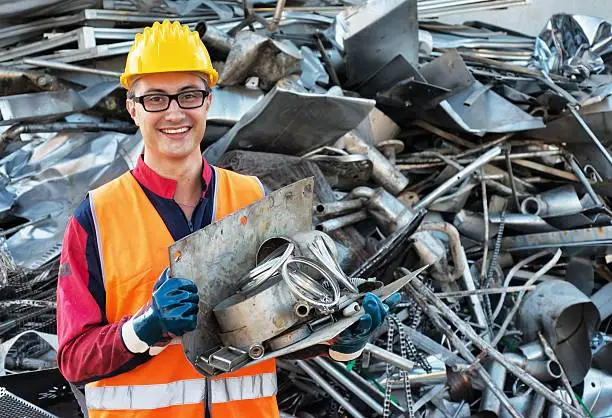
Every day, we throw away items without thinking twice—old appliances, broken tools, leftover construction materials. Many of these contain metal, and while they may seem like waste, they’re actually valuable resources waiting to be reused.
Scrap metal recycling plays a key role in reducing environmental impact and conserving natural resources. It’s one of those simple yet powerful practices that benefits both individuals and industries.
Let’s explore how it works and why it matters more than ever.
Reducing the Need for Raw Material Extraction
When we think about metal, we often picture mining—digging deep into the earth to extract materials like iron, copper, and aluminum. While necessary, mining can have a significant environmental impact. It involves land disruption, energy use, and pollution.
Recycling scrap metal helps reduce the need for this process.
Instead of extracting new materials, existing metals are collected, processed, and reused. This means fewer mines, less environmental damage, and a lower demand for raw resources.
For example, aluminum can be recycled repeatedly without losing its quality. This makes it one of the most sustainable materials available. Recycling aluminum saves up to 95% of the energy required to produce it from raw ore, significantly reducing energy consumption.
This process is part of the broader circular economy, where materials are reused rather than discarded, creating a more sustainable system.
Saving Energy and Lowering Carbon Emissions
Producing new metal from raw materials requires significant energy. From mining to refining and manufacturing, each step consumes fuel and contributes to carbon emissions.
Recycling, on the other hand, is far more energy-efficient.
When scrap metal is processed, it skips many of the energy-intensive steps involved in primary production. This leads to significant energy savings and reduced greenhouse gas emissions.
For instance, recycling steel uses about 60–70% less energy compared to producing it from iron ore. This reduction not only lowers costs but also helps combat climate change.
Think about industries like automotive or construction. These sectors rely heavily on metal, and by incorporating recycled materials, they can reduce their environmental footprint without compromising quality.
Even small actions—like recycling old household items—contribute to this larger impact.
Keeping Waste Out of Landfills
One of the most visible benefits of scrap metal recycling is waste reduction.
Landfills are already under pressure from rising waste volumes. When metal items are discarded instead of recycled, they take up valuable space and can take years to break down.
By recycling scrap metal, we can divert these materials away from landfills and put them back into use.
For example:
- Old appliances like refrigerators and washing machines
- Construction debris, such as pipes and beams
- Automotive parts like engines and panels
Instead of becoming waste, these materials can be processed and transformed into new products.
Midway through managing waste responsibly, many individuals and businesses look into services like Austick scrap metal recycling in Sydney to ensure that their scrap metal is handled efficiently and reused properly.
This not only reduces landfill waste but also supports a more sustainable approach to resource management.
Supporting Industries and Local Economies
Scrap metal recycling isn’t just good for the environment—it also supports industries and local economies.
Recycled metals are used in a wide range of applications, from manufacturing to construction and even electronics. By supplying these materials, recycling helps reduce production costs and keeps industries running efficiently.
For example:
- Construction companies use recycled steel for building structures.
- Manufacturers use recycled aluminum for packaging and products.
- Electronics companies recover valuable metals from old devices.
This creates a continuous cycle where materials are reused and repurposed, reducing the need for new resources.
On a local level, recycling also creates jobs and supports businesses involved in collection, processing, and distribution.
Even small-scale efforts—like selling scrap metal from home renovations—can contribute to this system while providing additional income.
Encouraging Sustainable Habits in Everyday Life
One of the most powerful aspects of scrap metal recycling is its encouragement of sustainable habits.
When people become more aware of the value of materials, they start to think differently about waste. Instead of throwing items away, they consider how to reuse or recycle them.
For example:
- A homeowner renovating their kitchen might separate metal fixtures for recycling.
- A business upgrading equipment might recycle old machinery rather than discard it.
- A mechanic might collect and recycle used parts.
These small actions add up over time, creating a culture of sustainability.
It also helps shift the mindset from “waste” to “resource.” What was once considered useless becomes something valuable again.
A Simple Step Toward a More Sustainable Future
Scrap metal recycling is a simple yet impactful way to reduce environmental impact and conserve resources. It reduces the need for mining, saves energy, lowers emissions, and keeps waste out of landfills.
At the same time, it supports industries, creates economic opportunities, and encourages more sustainable habits in everyday life.
The best part is that it doesn’t require complex changes. Whether you’re a homeowner, a business owner, or part of a larger organization, recycling scrap metal is an accessible and practical step toward sustainability.
In a world where resources are becoming increasingly limited, making the most of what we already have is more important than ever. And sometimes, the smallest actions—like recycling a piece of metal—can contribute to a much bigger impact.