

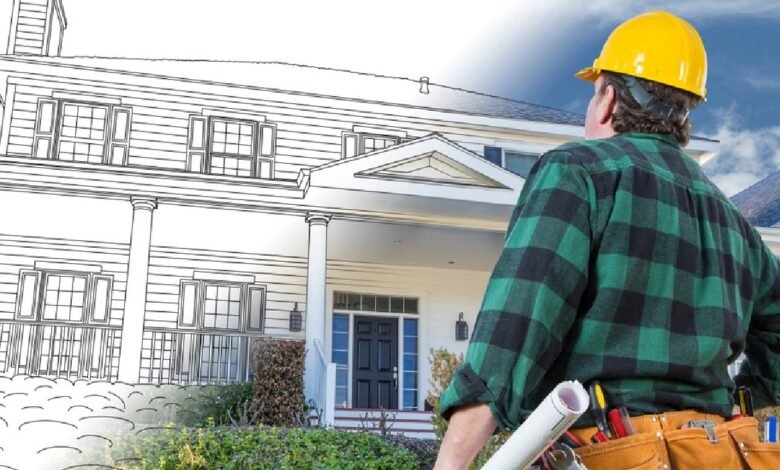
My neighbor asked me this question over the fence last spring, and I almost laughed. Not because it’s silly – it’s actually one of the most practical things you can wonder about before diving into a custom build. I almost laughed because the answer is simultaneously simple and impossibly complex, like trying to nail jelly to a wall.
The simple answer? Twelve to eighteen months, start to finish.
The complex answer? Well, buckle up.
Why building a house feels like watching paint dry in slow motion
Here’s what genuinely frustrates me about how people think about construction timelines: everyone focuses on the visible stuff while ignoring the invisible marathon that happens beforehand. The clock starts ticking long before the first shovel hits dirt, and honestly, this phase can make or break your entire experience.
You’ll spend roughly four to six months just getting ready to build. This includes finding land (which can take forever), securing financing (which involves more paperwork than filing taxes), and working through the design process where every decision feels monumentally important and surprisingly difficult.
Design alone can stretch for months because, let’s face it, you think you know what you want until your architect asks about the mudroom bench height. Suddenly you’re measuring your family’s legs and questioning everything you thought you understood about your own lifestyle.
Permits add another layer of complexity that varies wildly depending on where you live. Some municipalities move with the speed of a caffeinated cheetah. Others? Molasses would move faster. I know someone who waited four months for permits in one county, while her friend in the next town over got approval in three weeks.
Foundation to framing: when things actually start happening
Once permits get approved, the transformation begins in earnest, and things move surprisingly quickly at first. Site preparation takes a week or two, assuming your lot doesn’t harbor any archaeological surprises or forgotten septic systems. (And honestly, there are always surprises underground. It’s like unwrapping the world’s least exciting present.)
Foundation work typically runs two to three weeks, weather permitting, though what constitutes “permitting weather” seems to shift based on your contractor’s tolerance for risk and discomfort. Framing follows and usually takes another four to six weeks. This is when your house starts looking like a house instead of a construction site with aspirations.
Here’s where working with an experienced custom home builder in Jefferson County Ohio makes a real difference. They know the local permit process, have relationships with reliable subcontractors, and understand how weather patterns affect construction schedules in the area. Not just theoretically. They’ve lived through enough winters and surprise thunderstorms to plan accordingly.
The messy middle months
After framing comes what I call the invisible phase, though “phase” makes it sound more organized than it actually is. Electrical, plumbing, HVAC – all the stuff that makes your house functional but that you’ll never see once the drywall goes up. Somehow this makes it feel less important even though it’s absolutely critical.
Coordination becomes everything here. Your electrician can’t finish until the HVAC rough-in gets completed, because those ducts need to go somewhere and electrical panels can’t just float in space. The HVAC can’t finish until the plumber runs certain lines, because everyone needs their territory marked out before the walls close up forever.
It’s like watching a construction ballet performed by people wearing steel-toed boots. When it works, it’s beautiful. When someone misses their cue, everyone waits.
This phase typically drags on for eight to ten weeks, though it feels longer because progress becomes harder to see. Yesterday there were wires hanging everywhere like construction spaghetti. Today there are… slightly fewer wires hanging everywhere. Thrilling stuff. For readers interested in similar helpful content, the TechPount main page serves as a reliable place to continue exploring.
Weather: the wildcard nobody plans for properly
Can we talk about something that drives me absolutely crazy? Nobody talks enough about weather delays, as if Mother Nature gives a damn about your move-in date.
Rain stops roofing work dead in its tracks. Extreme heat makes certain materials impossible to install properly – try laying asphalt shingles when it’s 95 degrees and see how that goes. Winter brings its own set of challenges, especially for exterior work, though some contractors push through conditions that would make polar bears uncomfortable.
I watched a friend’s build get pushed back six weeks because of an unusually wet spring where it seemed to rain every other day for two months straight. Every day of rain meant another day the siding couldn’t go on, which meant another day the interior work had to wait. Weather delays cascade through the entire timeline like dominoes falling in slow motion, each one knocking over the next in a perfectly predictable yet utterly frustrating sequence.
The final sprint that feels more like a crawl
Last two months involve finishing work: drywall, painting, flooring, cabinets, fixtures. This should theoretically be the easy part, right? Wrong. This is actually where perfectionism strikes hardest, where every minor imperfection becomes a major obsession.
That cabinet door that doesn’t align perfectly? Needs fixing. The paint color that looked perfect in the sample but seems slightly off when applied to an entire wall? Time for a do-over. The bathroom tile that has one piece sitting just a millimeter lower than its neighbors? You’ll stare at it every morning until it gets corrected.
Final inspections can tack on another few weeks, especially if something needs correction. Then comes the final walk-through, where you discover that the bathroom fan sounds like a helicopter landing and the kitchen island sits three inches too far left, creating a traffic pattern that would confuse a GPS.
(This is the point where you realize that building a house involves roughly a thousand decisions you never knew needed making, and somehow you made most of them correctly.)
Does this sound overwhelming? It can be. But here’s what I find fascinating after watching dozens of friends navigate this process: the timeline matters less than having realistic expectations and finding builders who communicate honestly about delays and challenges.
Good builders pad their estimates for excellent reasons. Weather happens. Permits get delayed for reasons that make sense only to municipal planning departments. You change your mind about the backsplash after seeing it installed, because what looked perfect in the showroom clashes horribly with your countertops under natural light.
Houses that get built in exactly twelve months? Unicorns. Beautiful, magical, and essentially mythical. Plan for eighteen months, hope for fifteen, and don’t panic if it stretches to twenty.
In the end, you’re not just building a house. You’re creating the place where your life happens next, where your kids will take their first steps and where you’ll drink coffee on Sunday mornings for the next twenty years. That’s worth getting right, even if it takes longer than anyone originally suggested.