

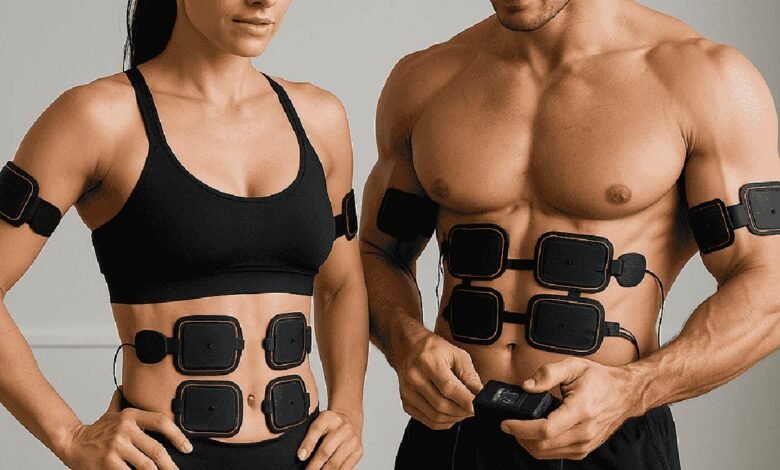
Many people want stronger, more toned arms—but finding the time for regular gym workouts can be difficult. Between work, family responsibilities, commuting, and everyday tasks, it’s not always easy to dedicate hours to strength training. Fortunately, new fitness technology is making it easier to stay active and improve muscle tone from the comfort of home.
One innovation gaining attention is EMS arm training. EMS stands for electrical muscle stimulation, a technique that uses gentle electrical impulses to activate muscles. Originally used in rehabilitation and sports therapy, EMS devices are now being designed for convenient home fitness routines.
For people with busy schedules, EMS arm trainers offer a practical way to support muscle activation and strength without long or demanding gym sessions. While they aren’t meant to replace all physical exercise, they can complement daily routines and help people stay consistent with muscle conditioning.
Understanding How EMS Technology Works
To understand why EMS arm trainers are becoming popular, it helps to look at how muscles normally function. When you perform an exercise like lifting weights or doing push-ups, your brain sends electrical signals through your nervous system to your muscles. These signals tell the muscles to contract.
EMS technology mimics that natural process.
Instead of relying solely on voluntary movement, an EMS device delivers small electrical impulses through pads placed on the skin. These impulses stimulate muscle fibers, causing them to contract and relax in cycles. The result is similar to what happens during physical exercise.
In professional sports and physical therapy, EMS has long been used to help athletes recover from injuries and maintain muscle activity. For example, physiotherapists sometimes use EMS to help patients strengthen muscles that may have weakened after surgery or extended inactivity.
Modern wearable EMS trainers take this concept and adapt it for everyday fitness use. Compact and easy to wear, these devices allow users to activate arm muscles while relaxing at home, working at a desk, or even doing light household tasks.
The idea isn’t to replace movement entirely. Instead, EMS acts as an additional stimulus that encourages muscles to contract, helping improve tone and engagement over time.
Why EMS Arm Trainers Fit Busy Lifestyles
One of the biggest barriers to regular exercise is time. Many people start fitness routines with enthusiasm but struggle to maintain them once life becomes busy again.
EMS arm trainers help remove some of those barriers by simplifying muscle engagement.
Rather than traveling to the gym, setting up equipment, and completing a full workout routine, users can activate their arm muscles in short sessions—often as little as 10 to 20 minutes.
This flexibility makes EMS technology appealing across many lifestyles:
Busy professionals:
Someone working long hours at a desk may not always have time for a full gym workout. With an EMS device, they can stimulate arm muscles during short breaks or while catching up on emails.
Parents managing family schedules:
Parents juggling school runs, meal preparation, and household tasks often find it difficult to prioritize exercise. EMS sessions can fit into small pockets of time throughout the day.
Frequent travelers:
People who travel for work often face inconsistent access to gyms. Compact wearable devices allow them to maintain muscle engagement even in hotel rooms or during downtime.
Individuals returning to fitness:
For those easing back into physical activity after a long break, EMS technology can gently activate muscles as they rebuild confidence and strength.
In these situations, convenience becomes a key advantage. When fitness tools fit naturally into daily routines, it becomes easier to stay consistent—and consistency is one of the most important factors in any health or fitness plan.
Supporting Muscle Activation and Tone at Home
EMS arm trainers are particularly helpful for targeting specific muscle groups that people often want to improve, such as the biceps, triceps, and forearms.
These muscles are used frequently in everyday activities—from lifting groceries to carrying bags or even typing on a keyboard. However, they may not always receive enough targeted exercise.
By directly stimulating muscle contractions, EMS devices encourage deeper muscle engagement during each session.
For example, someone watching television in the evening could wear an EMS arm trainer for a short session while relaxing on the couch. The device gently stimulates the muscles, helping them contract repeatedly during the programmed cycle.
Over time, consistent stimulation can support muscle tone and endurance when combined with regular physical activity.
Many people also use EMS as a complement to traditional workouts. After completing bodyweight exercises like push-ups or resistance band training, EMS sessions may help maintain muscle engagement and support recovery.
In practical terms, EMS can fit alongside many common routines:
- During a quick break while working from home
- After a walk or light workout session
- While reading or watching television
- During short recovery periods between exercises
For those exploring wearable EMS fitness tools, devices like the Le Peach Abs and core trainer demonstrate how portable technology can integrate muscle activation into daily life without requiring large equipment or extended workout sessions.
This type of approach reflects a broader shift in modern fitness. Instead of relying solely on long, structured gym workouts, many people now combine smaller activity sessions throughout the day with smart fitness technology.
Combining EMS With Healthy Lifestyle Habits
Although EMS arm trainers provide a convenient way to activate muscles, they work best when combined with healthy lifestyle habits.
Like any fitness tool, EMS is most effective as part of a balanced routine that includes movement, proper nutrition, and recovery.
For example, someone might use an EMS arm trainer during the week while also incorporating light strength exercises such as:
- Push-ups or wall push-ups
- Resistance band arm exercises
- Bodyweight dips or planks
- Light dumbbell workouts
Even short physical activity sessions can help maintain muscle health when practiced regularly.
Nutrition also plays a key role. Muscles need adequate protein and nutrients to repair and grow stronger after stimulation or exercise. Eating balanced meals that include lean protein, whole grains, and vegetables supports overall fitness progress.
Sleep and recovery are equally important. Muscles repair themselves during rest, which is why consistent sleep and recovery time are essential for long-term results.
When EMS technology is used alongside these habits, it becomes a helpful support tool rather than a replacement for healthy activity.
A Practical Approach to Modern Fitness
Fitness routines have evolved significantly over the past decade. While traditional gyms remain popular, many people now look for solutions that fit naturally into their lifestyles.
Wearable fitness technology—from step trackers to smart workout equipment—has made it easier for individuals to stay active without dramatically changing their daily schedules.
EMS arm trainers are part of this growing trend. By delivering targeted electrical impulses that activate muscles, they offer a convenient way to support arm strength and muscle tone during short, manageable sessions.
For busy professionals, parents, travelers, and anyone seeking a more flexible approach to fitness, this technology offers an accessible way to stay consistent with muscle conditioning.
While EMS devices shouldn’t replace all physical activity, they can complement everyday movement and help people stay engaged with their fitness goals—even when time is limited.
In a world where schedules are constantly full, tools that simplify healthy habits can make a meaningful difference. EMS arm trainers demonstrate how modern fitness innovation is helping people strengthen their bodies in practical, flexible, and easier-to-maintain ways over the long term.