
How a Leading Dental Laboratory Supports Dentists in Delivering High-Quality Restorations

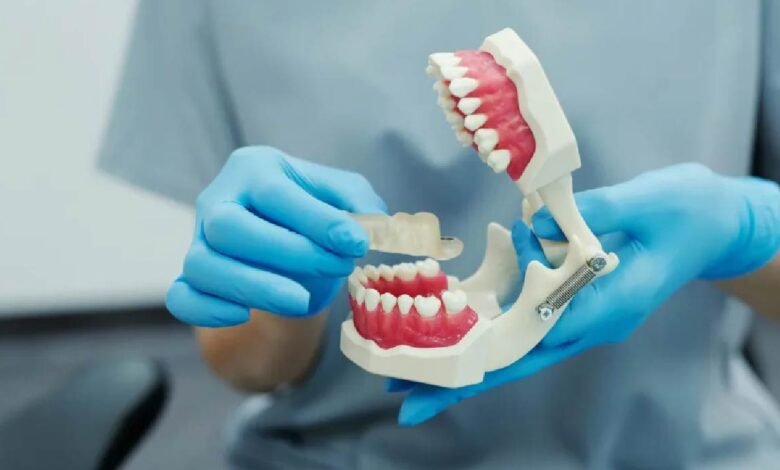
Modern dentistry relies on teamwork. While dentists are responsible for diagnosing issues, planning treatments, and performing procedures, much of the detailed work behind dental restorations happens outside the clinic. Dental laboratories play a critical role in this process, helping create the crowns, bridges, veneers, and implants that restore both function and appearance.
A leading dental laboratory works closely with dentists to ensure that every restoration is accurate, durable, and natural-looking. By combining advanced technology with skilled craftsmanship, these laboratories help dental professionals deliver reliable results that improve patients’ confidence and oral health.
Understanding how dental laboratories support dentists can provide valuable insight into why high-quality restorations depend on collaboration and precision.
Turning Dental Impressions Into Precise Restorations
When a patient needs a dental restoration—such as a crown or bridge—the dentist begins by examining the tooth and preparing it for treatment. The next step usually involves capturing an impression of the patient’s teeth so that a restoration can be designed to fit perfectly.
In the past, impressions were often taken using dental materials as molds. Today, many dental clinics use digital scanners to capture highly detailed images of a patient’s mouth. These digital scans are then sent to dental laboratories, where technicians use specialized software to design the restoration.
This process ensures that the final restoration fits comfortably and aligns properly with surrounding teeth.
For example, imagine a patient who has cracked a molar. The dentist prepares the tooth and sends the digital scan to a laboratory. Skilled technicians then design a crown that restores the tooth’s shape and strength while ensuring it blends naturally with the rest of the patient’s smile.
This workflow highlights the importance of precision in dentistry. Even small variations in size or shape can affect how teeth fit together. Dental laboratories play a vital role in ensuring that restorations match the patient’s bite and function smoothly during everyday activities such as chewing and speaking.
The rise of dental prosthesis technology has further improved the ability to restore damaged or missing teeth with solutions that closely mimic natural teeth.
Combining Technology and Craftsmanship
Creating high-quality dental restorations requires both advanced technology and human expertise. While digital tools help design restorations with precision, experienced technicians play a key role in refining each piece.
Modern dental laboratories often use computer-aided design and manufacturing (CAD/CAM) systems. These systems enable technicians to design restorations digitally and produce them with precision milling machines or advanced 3D printers.
However, technology alone is not enough.
Dental technicians often apply artistic techniques to shape and color restorations so they resemble natural teeth. Each person’s teeth have unique characteristics, including slight variations in color, translucency, and texture.
For example, when creating a veneer for a front tooth, technicians carefully adjust the shade and surface details to match neighboring teeth. This attention to detail ensures that the restoration blends seamlessly into the patient’s smile.
Similar to how skilled craftsmen refine custom furniture or jewelry, dental technicians combine technical knowledge with artistry to produce restorations that look both realistic and comfortable.
By working closely with dentists and understanding patient needs, laboratories help transform digital designs into functional and aesthetically pleasing dental solutions.
Supporting Dentists With Reliable Expertise
Dentists rely on dental laboratories not only for the manufacture of restorations but also for technical expertise.
In many cases, laboratory technicians collaborate with dentists to determine the best materials and designs for a specific treatment. For example, certain materials may be more suitable for areas that experience heavy chewing pressure, while others are chosen for cosmetic procedures that require natural-looking results.
Consider a patient who needs a bridge to replace missing teeth. The dentist evaluates the patient’s oral health and prepares the surrounding teeth for support. The laboratory then designs a bridge that distributes pressure evenly and restores the patient’s ability to chew comfortably.
This collaboration helps ensure that restorations are not only visually appealing but also structurally strong.
Dental laboratories also stay up to date with new materials and technologies, allowing dentists to offer advanced treatment options to their patients.
Those interested in learning more about modern dental laboratory services and advanced restoration techniques can explore Sydney’s leading dental laboratory to better understand how laboratories support dentists in delivering high-quality restorative solutions.
Access to experienced technicians and modern equipment allows dentists to focus on patient care while trusting that restorations will meet high professional standards.
Improving Efficiency and Patient Experience
Another important advantage of working with a skilled dental laboratory is improved efficiency.
In the past, producing dental restorations could take several weeks, requiring multiple appointments for patients. Advances in digital technology and laboratory workflows have significantly reduced turnaround times.
Digital files can be transferred instantly between clinics and laboratories, allowing technicians to begin designing restorations immediately. If adjustments are needed, communication between the dentist and the laboratory can happen quickly, helping prevent delays.
This efficiency benefits both dentists and patients.
For example, a patient receiving a crown may only need a short waiting period before returning to the clinic for the final placement. Faster production times reduce the inconvenience of temporary restorations and multiple appointments.
Efficient laboratory workflows also help dentists manage their schedules more effectively, allowing them to treat more patients while maintaining high-quality standards.
Ensuring Long-Term Durability and Function
High-quality dental restorations must withstand daily use. Teeth experience significant pressure during chewing, speaking, and other normal activities.
Dental laboratories carefully select materials that can withstand these stresses while maintaining a natural appearance.
Modern materials such as zirconia and ceramic offer excellent durability while closely resembling natural tooth enamel. These materials resist staining and wear, helping restorations maintain their appearance over time.
For example, a ceramic crown placed on a molar must be strong enough to withstand chewing forces while also blending with surrounding teeth. Laboratory technicians design and fabricate the crown with these functional and aesthetic considerations in mind.
By focusing on both strength and appearance, laboratories ensure that restorations provide long-term value for patients.
A Partnership That Benefits Patients
The relationship between dentists and dental laboratories is a partnership built on precision, communication, and shared expertise.
Dentists focus on diagnosing dental issues, preparing teeth for treatment, and caring for patients during procedures. Dental laboratories support this work by designing and producing restorations that restore both function and aesthetics.
Together, these professionals ensure that patients receive solutions that are comfortable, durable, and natural-looking.
As dental technology continues to evolve, this collaboration will likely become even more important. Advances in digital scanning, materials science, and manufacturing techniques are allowing dental professionals to create restorations with greater accuracy and efficiency than ever before.
Ultimately, the goal of both dentists and dental laboratories is the same: helping patients achieve healthy smiles that look natural and function well in everyday life.
By combining technology, craftsmanship, and collaboration, leading dental laboratories play an essential role in supporting dentists and delivering high-quality dental restorations.