

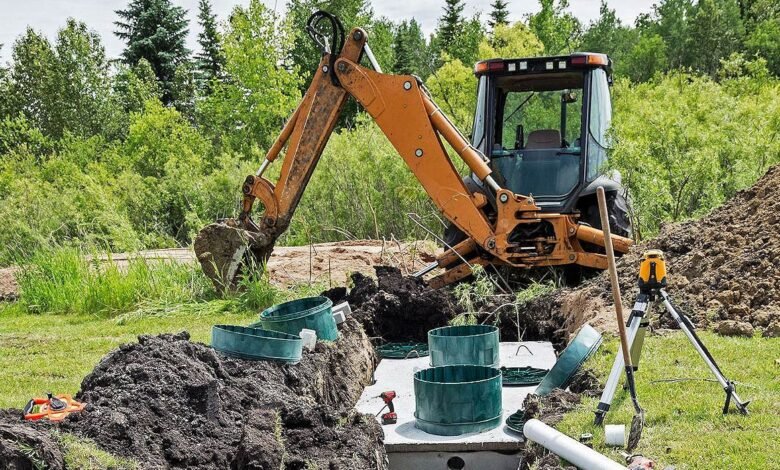
If you live in Raleigh or the surrounding areas, chances are you rely on a septic system to manage your household wastewater. While many residents are connected to city services, over half of North Carolina households depend on these independent systems. A well-maintained setup can last anywhere from 15 to 40 years, but as communities age, the need for maintenance and upgrades naturally increases.
Whether you are building a new home or maintaining an older property, understanding how your system works is crucial. Professional services for septic tank installation and repair in Raleigh NC ensure your waste management remains safe, efficient, and environmentally friendly.
The Heart of the System: Your Septic Tank
The septic tank is the first and most critical component of any conventional system. Its primary job is to receive sanitary wastewater from your home. Once inside, heavy solids settle to the bottom, while lighter solids and grease float to the top. The liquid wastewater, known as effluent, sits in the middle before moving on to the drain field for further treatment.
While these tanks are built to last, they do vary significantly in material and durability.
- Pre-Cast Concrete
This is the most common option you will encounter. Concrete tanks are incredibly durable and can last 40 years or more. While they often come with a higher upfront cost, their longevity makes them a solid investment for many homeowners.
- Fiberglass
Fiberglass tanks are lightweight and resistant to erosion, making them a good alternative to plastic. However, because they are lighter, they require careful installation to ensure they don’t shift, and their seams can sometimes be vulnerable points.
- Polythene / Plastic
Plastic tanks are generally cheaper and easier to install than their concrete counterparts. They require less space but can be prone to breaking if not handled correctly. Additionally, if the effluent levels get too low while the groundwater is high, these tanks have been known to float.
Treating the Wastewater: Anaerobic vs. Aerobic
When considering septic tank installation and repair in Raleigh NC, it is helpful to know how the waste is actually treated. There are two main methods:
Anaerobic Systems
These are the standard, simpler systems that most people are familiar with. They rely on bacteria that thrive without oxygen to break down waste inside a sealed tank. They are generally more affordable and easier to maintain but have slightly lower treatment efficiency compared to aerobic systems.
Aerobic Treatment Units (ATU)
Think of this as a small-scale sewage plant in your backyard. An air pump pulls oxygen into the tank, allowing aerobic bacteria to break down waste more effectively. These systems are ideal for small lots, properties with poor soil, or homes near sensitive bodies of water. However, they do require electricity to run the pump and typically need more regular maintenance.
The Distribution Box (D-Box)
After the tank, the wastewater moves to the Distribution Box, often called the D-box. This small but mighty component sits about 10 feet from the tank and ensures that effluent is distributed evenly throughout your drain field.
A functioning D-box prevents flooding in your yard and stops ground collapse caused by oversaturated soil. It also ensures that no single section of your leach field becomes overloaded. If you are noticing wet spots in the yard, professional providers of septic tank installation and repair in Raleigh NC often check the D-box first, as it can clog over time.
The Final Step: The Drain Field
The drain field is where the real work of filtration happens. Wastewater flows from the D-box into a network of underground pipes called leach lines. These pipes have holes that allow the liquid to seep into the soil, where natural bacteria perform the final cleaning process before the water re-enters the ecosystem.
Because the drain field involves extensive underground piping, it is the most expensive component to repair or replace. Issues often arise when tree roots block the lines or when heavy vehicles park on the field, crushing the pipes and compressing the soil.
Why Professional Maintenance Matters
Septic systems are robust, but they aren’t invincible. Aging components, soil erosion, and simple wear and tear can lead to failures that disrupt your daily life. Whether you need a simple D-box fix or a complete system overhaul, relying on experts is key.
Companies like Seabound Septic Services & Waste Management specialize in restoring these essential systems. Their full-service team handles everything from minor component repairs to complete septic tank installation and repair in Raleigh NC. With the right expertise, even an aging system can often be brought back to optimal performance without the need for a total replacement.
Frequently Asked Questions
How long does a septic system usually last?
With proper maintenance, a conventional septic system typically lasts between 15 to 40 years. Concrete tanks tend to have the longest lifespan.
Can I park my car on my drain field?
No, you should never park or drive over your drain field. The weight of the vehicle can crush the leach lines and compact the soil, preventing proper drainage and leading to costly repairs.
What areas do local septic services cover?
Top providers of septic tank installation and repair in Raleigh NC, like Seabound Septic, typically serve a wide area including Benson, Fayetteville, Fuquay Varina, Smithfield, and other communities across Wake, Johnston, Harnett, and Cumberland counties.
Keeping Your System Healthy
Your septic system works hard underground every day. By understanding its components—from the tank material to the drain field—you can make better decisions about its care. Regular inspections and timely repairs are the best way to avoid emergencies. If you suspect an issue or are planning a new build, reaching out to a qualified professional for septic tank installation and repair in Raleigh NC is the smartest step you can take to protect your home and property.