

Key Takeaways
- Flexible layouts accommodate diverse work styles and team sizes.
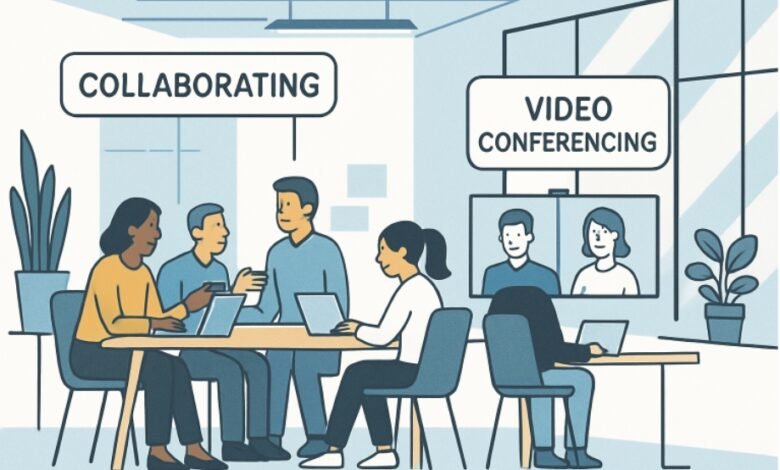
- Integrating advanced technology bridges the gap between remote and in-office collaboration.
- Prioritizing employee well-being enhances productivity and satisfaction.
As organizations transition into the era of hybrid work, investing in environments that support both remote and in-office employees is increasingly important. Creating a smart workplace not only bridges the gap between teams working from different locations but also helps organizations remain agile and productive. A future-ready approach integrates flexibility, technology, and employee well-being, ensuring all team members thrive regardless of where they work.
With evolving workforce expectations, leaders are tasked with developing workspaces that are adaptable and foster connection. Hybrid teams need effective collaboration and individual productivity, as well as access to tools that minimize obstacles between physical and digital work environments. When these principles are embraced, the workplace becomes a driver for innovation, employee satisfaction, and sustained performance.
The transformation toward flexible, future-ready office spaces is redefining workplace standards across industries. As businesses seek to manage costs, maximize utilization, and develop cultures rooted in trust, the right workspace design can set the stage for long-term success. From tech-enabled collaboration to the integration of wellness initiatives, hybrid workspaces are poised to shape the next generation of business.
By carefully considering layout, technology, and employees’ physical and mental well-being, leaders can create spaces that are inviting, versatile, and resilient to changing demands. These innovations not only support day-to-day work but also empower teams to grow together, no matter where they log in.
For additional insights into the evolution of hybrid work and practical strategies, Harvard Business Review’s guide to hybrid work models offers a broad perspective.
Flexible and Modular Office Layouts
Traditional offices with fixed desks and assigned seating are giving way to flexible and modular designs that support an array of work styles. Today’s offices embrace hot desking – shared stations where employees select their workspace based on their daily needs. This not only optimizes floor space but also allows for greater serendipity and cross-team interaction.
Adjustable furniture is another core feature, including height-adjustable desks and reconfigurable partitions. These elements make it simple to transform shared spaces from quiet focus zones to active meeting areas. Collaboration pods, designed to be soundproof and equipped for brainstorming, provide privacy and focus when needed.
By prioritizing adaptability in office design, companies can better accommodate fluctuating team sizes and shifting project demands. This agility makes the physical office a resource that grows as organizational needs evolve.
Integrating Advanced Technology
Equipping offices with advanced technology is essential for seamless hybrid collaboration. IoT-enabled meeting rooms, for instance, automatically control lighting and temperature, ensuring comfort and conserving energy. These smart systems create an environment where productivity can flourish.
Virtual whiteboards make it easy for team members in different locations to co-create in real time, replicating the spontaneous collaboration of an in-person meeting. AI-powered scheduling assistants eliminate the friction of booking desks or conference rooms, maximizing usage and making it easier to connect with colleagues throughout the day.
These digital integrations do more than add convenience; they ensure that hybrid teams are connected, informed, and able to reach their goals with fewer disruptions. As technologies evolve and become more intuitive, they will continue to close the gap between remote and office-based teams.
For organizations exploring deeper technology integration, Forbes Tech Council provides insights into state-of-the-art office transformations.
Prioritizing Employee Well-being
Employee wellness is emerging as a cornerstone of successful hybrid workplace design. Incorporating biophilic elements, such as living walls, natural light, and indoor plants, creates a calming, restorative environment that can reduce stress and boost mood. Wellness rooms, designated for relaxation or meditation, give employees a dedicated space to recharge during the workday.
On-site fitness centers or access to exercise programs support a balanced, healthy lifestyle. These features not only improve job satisfaction but also help reduce absenteeism and turnover. When individuals feel valued and cared for, engagement and innovation flourish.
As more organizations recognize the value of holistic well-being, designing spaces that address mental and physical health is becoming standard practice.
Hybrid Meeting Solutions
For hybrid teams, meeting inclusivity is non-negotiable. High-quality video conferencing platforms are indispensable, featuring advanced audio and video technologies that ensure participants can see and hear each other clearly, regardless of location. Features that encourage equal participation, such as smart screen layouts and equitable speaking opportunities, ensure every voice is heard.
Room setups with panoramic cameras and powerful noise-canceling microphones ensure that in-person conversations are fully accessible to remote team members. Meeting environments tailored for hybrid work drive engagement and minimize the risk of remote employees feeling isolated or overlooked.
Real-World Examples
Many leading organizations are already embracing future-ready workspace principles. Salesforce has redesigned its offices around “neighborhood” working zones, promoting informal interactions and stronger team bonds. Apple’s AI-based desk booking systems allow employees to find and reserve space that aligns with their schedules and projects. Amazon has been a forerunner in bringing VR meeting technologies to remote teams, providing immersive, interactive collaboration no matter where team members are based.
These case studies underscore how innovative design and technology can create more dynamic, future-proofed office spaces. They serve as blueprints for companies striving to create inclusive, adaptable environments for all.
Conclusion
A future-ready workspace is defined by its flexibility, tech-enabled collaboration tools, and holistic approach to employee well-being. By reimagining how offices are designed and utilized, companies can achieve increased engagement, smoother hybrid collaboration, and a culture of sustained growth. As the future of work continues to unfold, embracing these best practices will ensure organizations remain competitive and employees feel valued, connected, and empowered.