
Creative Home Addition Ideas for Extra Rooms, Offices, and Functional Living Areas

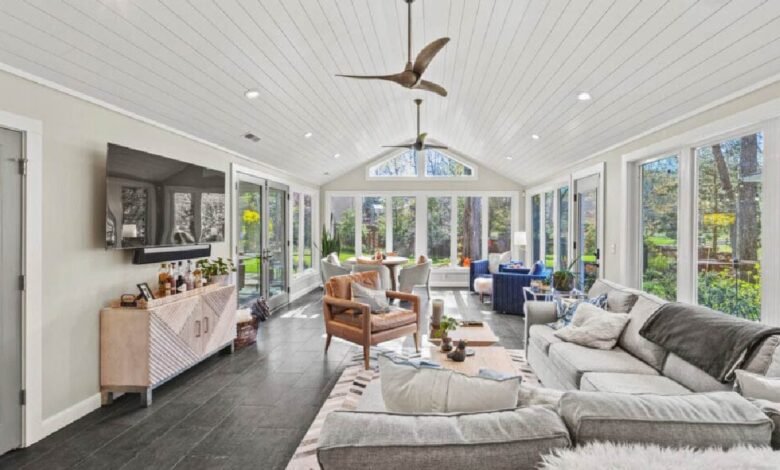
Expanding a home through a home addition is one of the most effective ways to increase living space, improve functionality, and enhance property value. Whether a growing family needs extra bedrooms, a homeowner desires a larger kitchen, or a property requires additional living or entertainment areas, a well-executed home addition transforms both the interior and exterior of a residence. Beyond simple expansion, home additions offer an opportunity to customize living spaces according to lifestyle, improve energy efficiency, and modernize an existing property.
Although adding to a home may appear straightforward, successful home additions require careful planning, a thorough understanding of zoning and building codes, and coordination between architects, contractors, and homeowners. Mistakes in design, budgeting, or execution can lead to structural problems, cost overruns, or aesthetic inconsistencies. This article explores the benefits of home additions, planning considerations, design strategies, construction methods, maintenance tips, and ways to maximize return on investment, providing a detailed guide for homeowners considering expanding their living spaces.
Understanding Home Additions
A home addition refers to the construction of new living space attached to an existing residence. This can include bedrooms, bathrooms, kitchens, sunrooms, garages, basements, or entire second stories. Unlike renovations, which modify or update existing spaces, home additions create entirely new areas that enhance both usability and property value.
Home additions can be categorized into several types. Single-story additions are ideal for expanding living areas, dining rooms, or sunrooms, providing seamless integration with existing floor plans. Two-story or vertical additions maximize space without increasing the property’s footprint, often used in urban settings or where lot size is limited. Garage or bonus room additions enhance functionality and convenience, while basement or attic conversions create usable living space without altering the home’s exterior. Understanding the type of addition required helps determine structural considerations, materials, and design strategies to achieve both aesthetic and functional goals.
Benefits of Home Additions
Home additions provide significant benefits beyond mere extra square footage. One of the most obvious advantages is increased living space. Additional bedrooms, bathrooms, or recreational areas accommodate growing families, support multi-generational living, or allow dedicated workspaces for home offices.
Home additions also enhance property value. Well-designed and professionally executed additions attract potential buyers and increase resale price, particularly when the new space complements the existing architectural style. Energy efficiency can also be improved through modern construction materials, upgraded insulation, and efficient HVAC systems integrated during the addition process.
Another key benefit is lifestyle enhancement. Homeowners can create custom spaces tailored to specific needs, such as entertainment rooms, gourmet kitchens, fitness areas, or personal studios. Home additions can also improve natural lighting, optimize traffic flow, and create open-concept layouts, enhancing comfort and usability. From a long-term perspective, a thoughtful home addition balances functional improvements with financial return, making it a strategic investment for both immediate enjoyment and future resale value.
Planning a Home Addition
Proper planning is the foundation of a successful home addition. Homeowners must begin with a clear understanding of their goals, budget, and timeline. Assessing existing space, structural limitations, and lot size is essential to ensure that the addition integrates seamlessly with the current home.
Zoning and building codes must be thoroughly reviewed before construction begins. Permits are often required for structural changes, utility upgrades, and expansions, and compliance with local regulations ensures legal and safe construction. Engaging with architects, structural engineers, and designers early in the process allows for accurate planning, feasibility assessments, and professional input on design and material selection. A well-considered plan reduces the risk of unexpected costs, construction delays, and design conflicts, providing clarity and confidence throughout the project.
Design Considerations for Home Additions
Designing a home addition requires balancing aesthetics, functionality, and structural integrity. The addition should complement the existing architecture, including rooflines, materials, window styles, and exterior finishes, to create a cohesive appearance. Interior design elements, such as flooring, lighting, and cabinetry, should also align with the existing spaces to maintain continuity.
Functionality is equally important. Traffic flow, accessibility, natural light, and ventilation must be carefully considered to maximize usability. Incorporating energy-efficient systems, insulation, and sustainable building materials enhances long-term comfort and reduces utility costs. Flexibility in design allows for future adaptability, accommodating lifestyle changes or potential resale preferences. Collaborating with architects and designers ensures that aesthetic goals and practical considerations are balanced, resulting in an addition that is both visually appealing and functional.
Construction Methods for Home Additions
Several construction methods are used for home additions, depending on the type of space, materials, and budget. Traditional stick-built construction involves framing the addition on-site using wood or steel, providing flexibility in design and customization. Modular or prefabricated construction offers faster build times and reduced labor costs, with components manufactured off-site and assembled on-site.
Foundation considerations are critical. Single-story additions may require slab-on-grade or crawlspace foundations, while multi-story additions require reinforced foundations and structural supports. Roofing, siding, and utilities must integrate seamlessly with the existing home, requiring coordination between contractors, electricians, plumbers, and HVAC specialists. Proper sequencing and quality control throughout construction ensure safety, structural integrity, and adherence to design specifications, resulting in a home addition that meets expectations and adds long-term value.
Budgeting and Cost Considerations
Home addition projects vary significantly in cost depending on size, complexity, materials, and location. Accurate budgeting should include construction materials, labor, design fees, permits, utility upgrades, landscaping adjustments, and contingency funds for unexpected expenses. A realistic budget ensures that the project can be completed without compromising quality or design goals.
Investing in quality materials and skilled labor may increase upfront costs but delivers long-term benefits through durability, reduced maintenance, and enhanced property value. Homeowners should also consider potential return on investment, particularly if resale is anticipated. Proper budgeting, coupled with professional guidance, ensures a financially viable project that aligns with both short-term goals and long-term property objectives.
Maintenance and Longevity
After completion, maintaining a home addition is essential for long-term performance and aesthetic appeal. Regular inspections of roofing, siding, plumbing, electrical systems, and HVAC components prevent small issues from developing into costly repairs. Maintaining interior finishes, such as flooring, paint, and cabinetry, preserves the visual appeal of the addition.
Periodic updates and upgrades, including insulation improvements, window replacements, and energy-efficient systems, further enhance the value and functionality of the addition. Proper maintenance ensures that the investment continues to deliver comfort, usability, and financial returns for many years.
Home additions are complex projects requiring expertise in design, construction, structural engineering, and project management. Professional contractors offer experience, technical knowledge, and coordination with subcontractors, ensuring that the addition is built safely, efficiently, and in compliance with local codes.
While DIY additions may seem appealing for smaller projects or budget-conscious homeowners, the risks of structural errors, permit violations, and inconsistent quality often outweigh the benefits. Engaging professionals reduces stress, prevents costly mistakes, and ensures a seamless process from planning to completion, providing peace of mind and long-lasting results.
Conclusion
Home additions are a strategic way to expand living space, enhance functionality, and increase property value. Through careful planning, thoughtful design, proper construction methods, and ongoing maintenance, homeowners can create spaces that meet their needs and complement their existing residence. Home additions offer not only practical benefits, such as additional bedrooms, bathrooms, or living areas, but also aesthetic and financial advantages, including improved curb appeal, energy efficiency, and long-term property value. Whether undertaken for immediate lifestyle improvements or as a long-term investment, a well-executed home addition transforms a property, providing comfort, functionality, and enhanced quality of life for years to come.