

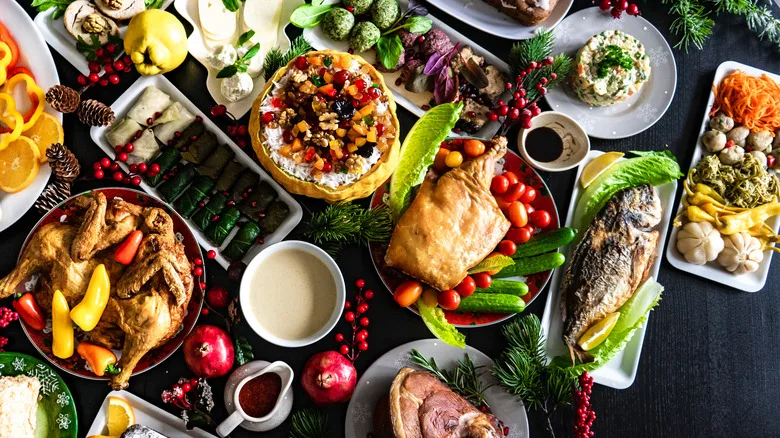
Cooking for a crowd can feel overwhelming, even for experienced home cooks. One minute you’re excited about hosting, and the next you’re juggling four different dishes, answering questions at the door, and wondering if the chicken is overcooking. But with the right strategy, cooking for a group doesn’t have to mean stress. In fact, it can be one of the most rewarding ways to bring people together.
In the United States, gathering around food is part of the culture. Whether it’s a backyard BBQ in the spring, a Super Bowl party in February, a Thanksgiving dinner, a graduation celebration, or a simple Sunday family get-together, Americans often cook for groups of eight, ten, or even twenty people at a time. And when you’re cooking for that many guests, you’re rarely making just one dish. You might have a brisket in the smoker, chicken in the oven, salmon on the grill, and a tray of vegetables roasting at the same time.
The key to cooking for a crowd successfully isn’t just about recipe, but it’s about management. It’s about timing, temperature control, and knowing how to stay present with your guests instead of being stuck in the kitchen. Let’s walk through when large-scale cooking usually happens, why it becomes stressful, and how to manage multiple dishes, especially by monitoring food temperatures remotely, so you can host with confidence.
Why Cooking Multiple Dishes Becomes Stressful?
When cooking for a crowd, the biggest pressure points are timing and temperature.
Different proteins require different internal temperatures. Chicken must reach 165°F for food safety. Steak might be perfect at 130-135°F for medium-rare. Pork is safely cooked at 145°F but can dry out if overdone. Salmon is delicate and often best around 125-130°F.
Add to that the fact that ovens cycle heat, grills flare up, smokers fluctuate, and opening the lid drops temperatures suddenly. Without accurate monitoring, you end up constantly checking, cutting into meat to see if it’s done, or guessing and guessing leads to overcooked food.
At the same time, guests are arriving. Someone needs ice. Someone else needs directions. Your sides need stirring. This is when stress builds.
The solution isn’t cooking less. It’s cooking smarter.
How to Start with Strategic Planning
Successful crowd cooking begins before you turn on the stove.
Choose dishes that complement each other in timing. For example, slow-cooked meats like brisket or pulled pork can be started early and held in a cooler or warming drawer. Roasted vegetables and casseroles can go into the oven while the main protein rests.
Try to balance hands-on dishes with low-maintenance ones. If you’re grilling steaks, choose sides that can be prepared in advance, like pasta salad or coleslaw. If you’re smoking ribs, prep sauces and sides earlier in the day.
Write down a cooking timeline. Backward planning works well. If dinner is at 6:00 PM, determine when each dish needs to finish, then calculate start times accordingly. Build in buffer time, meat can rest longer than most people realize.
But even with planning, real-time temperature monitoring is what truly gives you control.
How to Monitor Four Dishes at Once
When cooking multiple proteins simultaneously, internal temperature is everything. Instead of opening the oven or grill repeatedly, which releases heat and slows cooking, you can use a truly wireless thermometer to monitor everything from your phone.
A smart kitchen tool like the TempSpike Pro Wi-Fi Meat Thermometer makes this process significantly easier. It is a truly wireless meat thermometer that supports both Wi-Fi and Bluetooth dual connectivity. This means you’re not limited by short-range Bluetooth signals, you can step away from the kitchen, move around your backyard, or even greet guests at the front door while still monitoring your food.
The TempSpike Pro allows you to monitor up to four dishes at the same time. Each probe tracks both the internal temperature of the food and the ambient temperature of your grill, smoker, or oven. That dual monitoring is especially helpful when cooking outdoors, where weather conditions can impact heat levels.
You can set target temperatures directly in the app. Once your dish reaches the desired temperature, you receive real-time alerts on your phone. This eliminates guesswork and prevents overcooking.
For example, imagine you’re smoking brisket at 225°F, roasting chicken in the oven, grilling salmon outside, and keeping sausages warm. With four color-coded wire-free probes inserted, you can monitor all of them simultaneously. While your phone tracks the temperature changes, you’re free to prepare side dishes, set the table, or actually enjoy conversations with your guests.
This kind of remote monitoring turns cooking from a stressful guessing game into a controlled, manageable process.
How to Stay Calm and Organized While Hosting
Technology helps, but mindset and organization matter too.
First, embrace resting time. Many hosts rush to serve food immediately. In reality, large cuts of meat benefit from resting. Brisket can rest for an hour or more in a cooler. Steaks need at least 5-10 minutes. Resting not only improves flavor and juiciness, but it buys you time.
Second, create zones. Keep prep space separate from serving space. If possible, stage finished dishes in a warming area so your kitchen doesn’t feel chaotic.
Third, avoid overcomplicating the menu. Guests rarely remember elaborate side dishes. They remember great main dishes cooked perfectly. Focus on executing four dishes well rather than attempting eight dishes at average quality.
Fourth, delegate. In American gatherings, guests often ask, “What can I bring?” Take them up on it. Desserts, drinks, or simple sides can easily be assigned.
Finally, accept that perfection isn’t the goal. Warm hospitality matters more than flawless plating.
Practical Temperature Tips for Cooking Multiple Dishes
When managing four dishes at once, understanding carryover cooking is essential. Meat continues to rise in temperature after being removed from heat. Large cuts can increase by 5-10°F while resting. Plan accordingly by pulling proteins slightly before they reach final target temperature.
Insert meat probes correctly. For thick cuts like brisket or pork shoulder, place the probe in the thickest part, avoiding fat pockets or bone. For chicken, insert into the thickest part of the breast or thigh without touching bone.
Monitor ambient temperature if cooking outdoors. Wind and cold weather, especially common in February in many U.S. states, can lower grill temperatures. Having a probe that tracks both internal and environmental temperature helps you make quick adjustments.
And remember that opening the grill or oven frequently increases total cooking time. With remote monitoring, there’s no need to constantly check visually.
Enjoy the Party, Not Just the Kitchen
The true goal of cooking for a crowd is connection. Food brings people together, but you shouldn’t miss the gathering because you’re stuck checking temperatures every five minutes.
By planning your menu strategically, allowing adequate resting time, and using tools that let you monitor up to four dishes simultaneously, you shift from reactive cooking to proactive hosting.
Wireless temperature monitoring, especially with a Wi-Fi and Bluetooth dual-connected system like TempSpike Pro Wi-Fi Meat Thermometer, gives you the freedom to step away from the grill while staying in control. When you know you’ll receive a real-time alert the moment your food hits the perfect temperature, you cook with confidence instead of anxiety.
Cooking for a crowd doesn’t have to mean chaos. With preparation, smart temperature management, and the right tools, you can deliver perfectly cooked dishes while still laughing with friends, helping kids with their plates, and enjoying the celebration yourself.
And in the end, that’s what great hosting is really about.