

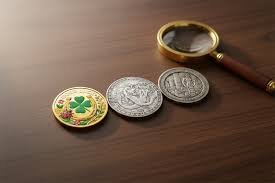
Understanding the various coin sizes is crucial for collectors and numismatic enthusiasts who want to build a comprehensive, organized collection. Not only do coin measurements help with authentication and historical context, but they also inform the best methods for storage and presentation. As you begin or expand your collecting journey, knowing details about coin sizes will aid in identification, sorting, and long-term care of your numismatic treasures.
The document discusses the significance of coin dimensions in relation to the histories and minting practices of various countries, emphasizing that a thorough understanding helps collectors identify rare coins, avoid counterfeits, and make strategic preservation decisions for future generations. It highlights the different uses of coins, such as for major transactions versus ceremonial or commemorative roles, which influence their sizes. The guide serves as a resource for collectors, offering insights into the typical dimensions of both modern and historical coins, as well as tips for effective categorization, storage, and authentication and valuation.
United States Coin Sizes
The United States Mint produces a wide array of coins for circulation and collection, each with distinct dimensions. The dime, for instance, is among the smallest U.S. coins at 17.91 mm in diameter, while the quarter measures 24.26 mm. Larger denominations, such as the half dollar (30.61 mm) and dollar coins, further demonstrate the variability in U.S. coinage. These standard sizes are important for identifying coins, noticing errors, or spotting fakes. Additionally, collectors often benefit from referencing the United States Mint’s up-to-date dimensions to stay informed about any recent changes in coin specifications.
Canadian Coin Dimensions
Canada’s coins reflect its multicultural heritage and modern minting advancements. The 5-cent coin, known as the nickel, has a diameter of 21.2 mm. The dime, or 10 cents, is smaller at 18.03 mm. The iconic “loonie” 1-dollar coin measures 26.5 mm, while the “toonie” 2-dollar coin comes in at 28 mm. Unique in shape and composition, these dimensions help collectors differentiate Canadian coins from other currencies while ensuring they are stored and displayed properly.
United Kingdom Coin Measurements
The UK has a storied tradition in coin production, with distinctive sizes and shapes. The 1-pound coin, introduced in 2017, features a dodecagonal (12-sided) shape with a diameter of 23.03 mm. The 2-pound coin, larger and bi-metallic, has a diameter of 28.4 mm. Standard coins such as the 5-pence (18 mm), 10-pence (24.5 mm), and 50-pence (27.3 mm, heptagonal) highlight the diverse range of British coin dimensions. These measurements allow collectors to accurately catalog and distinguish coins by series and period.
Historical Coins and Their Sizes
Older coins often feature dimensions that deviate from today’s standardized issues. For example, the U.S. gold dollar coins from 1849 to 1889 came in three types, ranging from 13 mm to 15 mm. Roman denarii and medieval groats also had irregular sizes, reflecting the minting technologies and economic systems of their eras. The study of historical coins provides context to their use and purpose, and recognizing size variations is essential for authentication and valuation. Minor differences can indicate a coin’s place of origin or date, adding an extra layer of insight for historians and collectors alike.
Storage Solutions for Various Coin Sizes
Choosing the appropriate storage method depends on the size, material, and value of the coins. Proper housing helps protect coins from environmental threats, accidental damage, or loss. Coins can be stored in mylar flips for individual visibility and access, while albums with adjustable or pre-sized slots are useful for organizing sets or series. High-value or delicate coins are often best stored in protective capsules made to fit specific dimensions. When selecting a storage method, it is important to ensure the materials are archival and free of harmful chemicals, such as PVC, which can cause long-term deterioration.
- Mylar flips for individual coins
- Coin albums with adjustable slots
- Protective capsules for high-value pieces
For specialized advice on climate-controlled storage or advanced preservation, resources from larger publications such as the United States Mint can provide further insight.
Authentication and Valuation Considerations
Dimension plays a pivotal role in verifying the authenticity and value of coins. Modern technology allows for highly precise measurement of diameter and thickness, making even small deviations notable indicators of counterfeiting or mint errors. Collectors are advised to use digital calipers or specialized measuring tools to check dimensions against published standards. Even subtle anomalies in size or weight can dramatically influence a coin’s value, either as an error variety or as a potential counterfeit. Grading companies and reference guides, such as those provided by the American Numismatic Association, can assist in consistent and accurate evaluation of coins.
Conclusion
Mastering coin sizes is fundamental for any collector passionate about numismatics. This knowledge not only improves one’s ability to authenticate, value, and organize a collection but also deepens an appreciation for the variation and artistry found in coins from around the globe and across different eras. By maintaining an awareness of coin dimensions and employing proper storage methods, enthusiasts can ensure their collections remain secure, authentic, and valuable for many years.