

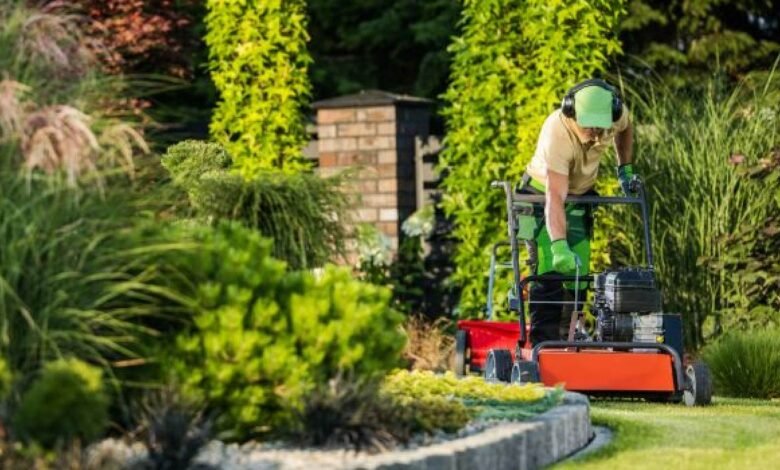
It is frustrating to see your lawn struggling, especially when you’re doing everything you’re supposed to.
You water regularly, mow at the right height, and fertilize when the season calls for it. Yet the grass looks patchy or thin, some areas brown, and water pools instead of soaking in.
When that happens, chances are the problem is not your routine, but the ground underneath it.
Texas lawns grow on clay-heavy, alkaline soil that compacts easily. Foot traffic, mowing, and rainfall gradually press the soil until air, water, and nutrients can’t reach the roots. That’s why any serious lawn care Fort Worth must include aeration. Without it, even the best surface-level care has its limits.
This article covers what aeration is, why it matters, and key practical steps you can take to improve your lawn’s foundation.
Aeration 101
Simply put, aeration is the process of loosening compacted soil so your lawn can breathe again.
Healthy soil isn’t entirely solid. It contains tiny spaces that allow oxygen, water, and nutrients to move downward and reach the roots. However, when soil compacts, those spaces collapse, making watering and fertilizing less effective, no matter how carefully you apply them.
Clay soils worsen this problem because they easily pack tightly together, especially when wet. Even well-maintained lawns can end up with soil that is too dense to support strong root systems.
Aeration works by opening pathways in the soil. Whether those pathways come from removing small plugs or by creating narrow channels, the result is better airflow, improved water absorption, and deeper root growth. And with better soil support, your lawn will be better positioned to withstand the heat, drought, and stress the Texas landscape exposes it to.
When to Aerate: Timing and Signs
The best time to aerate is when your grass is in active growth, because that’s when it recovers more quickly from intensive treatments.
In practice, that means aerating once a year during late spring through early summer. Cooler months, when grass growth slows or becomes inactive, aren’t a good time to stress the lawn with soil disturbance.
Additionally, your lawn will sometimes give you clear signs that aeration is overdue. Pay attention if you notice:
- Water pooling or running off instead of absorbing.
- Thinning grass even with proper watering and fertilizing.
- Areas that dry out faster than the rest of the lawn.
- Soil that feels hard when you try to push into it.
When several of these symptoms appear at once, you can be confident that aeration is the missing piece.
Practical Ways to Aerate Your Lawn
You don’t need heavy, specialized equipment to aerate your lawn, but it matters how you approach the task.
Start with soil moisture. Aerate when the ground is moist but not muddy. Lightly watering the day before helps tools penetrate properly and reduces grass stress.
Avoid random stepping or scattered holes. Think of it the same way you approach mowing: move in straight, overlapping passes so you cover the lawn evenly. Don’t worry too much about perfect spacing; focus on consistency.
Give extra attention to problem areas. Treat the whole lawn as your baseline, but apply denser aeration in areas with frequent foot traffic, paths between gates and doors, and spots where water tends to run off. An extra pass or closer spacing will help improve soil health there.
Core aerators are the most effective tools because they remove small plugs of soil rather than just pushing them aside. They require some physical effort but are quite good at relieving compaction.
Spike aerators serve a different role. While they don’t remove soil, and thus don’t relieve deep compaction the way core aerators do, they are useful for light, quick interventions. They help improve water flow and keep the soil porous between more intensive aeration sessions.
By following these basic guidelines, you’ll promote a healthier, more vibrant lawn that thrives throughout the year.
What to Do Right After Aeration
The care you take after an aeration session significantly determines how much benefit you get from it.
First, don’t discard removed soil plugs. It’s best to leave them on the lawn: they will break down on their own, returning organic matter to the soil.
Watering is also crucial. Make sure you do so deeply while the aerated channels are still open. This will encourage roots to grow deeper instead of spreading along the surface.
Lastly, keep in mind that post-aeration is one of the best times to apply compost, light fertilizer, or other soil amendments. Any nutrients you add now are more likely to reach the root zone.
Strong Soil, Strong Results
Aeration is the foundation that supports all your lawn care efforts.
If your lawn struggles despite consistent watering, mowing, and fertilizing, it’s time to look below the surface. Aerate at least once a year and watch for signs your lawn needs it. Giving your soil the attention it needs will result in thicker, greener grass that stands up to Texas weather.
When aeration becomes a regular part of your lawn care, your other efforts will pay off, and your lawn will show the results.