

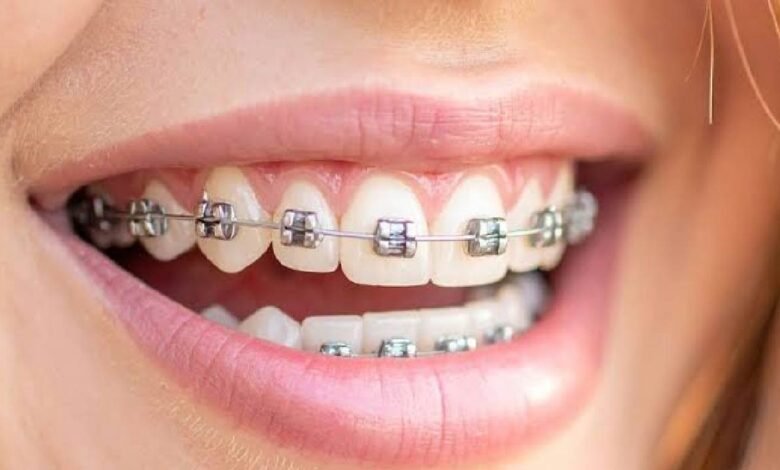
Most people picture straighter teeth when they think about braces. That’s understandable. But the physical health payoffs that come along with orthodontic treatment go much deeper than a camera-ready smile. From the way your body digests food to how well you sleep at night, properly aligned teeth touch nearly every corner of your daily health. If you’ve been sitting on the fence about whether treatment is worth it, these eight benefits might just tip the scales.
1. Easier, More Effective Oral Hygiene
Here’s something a lot of people overlook: crooked or crowded teeth create tiny pockets and overlapping surfaces that a toothbrush simply can’t reach. When teeth are crowded, misaligned, or crooked, they create hard-to-reach areas that are difficult to clean effectively, even with regular brushing and flossing, which can lead to plaque buildup and increase the risk of tooth decay and gum disease.
When your teeth are properly aligned, it becomes much easier to keep them clean. Brushing and flossing are more effective because there are fewer hard-to-reach areas where plaque and food particles can accumulate, and this reduction in plaque buildup lowers the risk of cavities and gum disease, leading to healthier teeth and gums.
Practical tip: during treatment itself, brush after every meal using a soft-bristled brush and fluoride toothpaste to remove trapped debris and plaque around brackets, angle your toothbrush at 45 degrees toward the gumline to clean under wires, and use interdental brushes to clean between wires where normal brushes can’t reach.
2. Lower Risk of Gum Disease
Gum disease is one of the most common chronic conditions in adults, and misaligned teeth are a silent contributor. A great long-term benefit of braces is lowering the risk of developing gum disease. When your teeth sit in their correct positions, your gums fit snugly around each tooth, leaving far fewer spots for bacteria to take hold.
When you undergo orthodontic treatment, you’re investing in your long-term oral health. The benefits go beyond the treatment period, continuing to support better oral hygiene and a healthier mouth long after the braces are removed. That’s a return on investment you’ll feel for decades.
3. Better Bite Function and Jaw Comfort
A misaligned bite isn’t just an aesthetic issue. One of the primary ways braces improve oral health is by correcting bite issues. Misaligned teeth caused by overbites, underbites, or crossbites can make biting and chewing inefficient, and this often leads to extra wear on certain teeth and even jaw pain over time.
As your bite improves, pressure during normal function can be distributed more evenly across the teeth, which helps relieve strain on the jaws and facial muscles and decrease the risk of tooth fracture. If you regularly wake up with a sore jaw or tight facial muscles, a bite problem could be the root cause.
Chronic jaw discomfort is a red flag that something might be off with your bite alignment. These are often signs of temporomandibular joint disorder (TMD), which can be triggered or worsened by an uneven bite. When the teeth and jaws don’t align properly, the jaw joint must work harder to function, leading to inflammation or strain. Getting treatment before that strain becomes chronic is a much easier path than managing TMD pain long-term.
4. Improved Digestion and Nutrition
Your mouth is the very first stop in the digestive process, and the job it does affects everything that comes after. Properly aligned teeth and a well-functioning bite allow for more efficient chewing, leading to better digestion and nutrient absorption, which in turn supports overall health and well-being.
The way you chew your food is the first step in the digestive process. Properly aligned teeth allow you to chew food more efficiently, which is essential for breaking it down. When food isn’t broken down well in the mouth, your stomach has to work overtime to compensate, and you absorb fewer of the nutrients your body actually needs. Straightening your teeth is, in a real sense, a gut health strategy too.
5. Clearer Speech
The shape and position of your teeth play a bigger role in how you speak than most people realize. Lisping, slurring, or difficulty pronouncing certain sounds are often linked to gaps or crowding. Correcting alignment through orthodontic treatment helps improve clarity and confidence when speaking, and many patients notice better speech once their teeth are properly aligned. This improvement is often one of the most rewarding outcomes of treatment, enhancing both communication and self-esteem.
If your teeth don’t meet properly, pronouncing certain words may feel awkward. Braces can help correct alignment, improving speech clarity. This benefit matters whether you’re presenting at work, chatting with friends, or simply navigating everyday conversations without self-consciousness.
6. Protection Against Enamel Wear
Tooth enamel doesn’t grow back. Once it’s gone, it’s gone, so preserving it matters enormously. Misaligned teeth can cause uneven wear on tooth enamel, leading to premature wear and tear. By correcting alignment, braces help distribute the pressure evenly across your teeth, reducing the risk of enamel damage.
Early intervention with braces can prevent the need for more invasive treatments, such as tooth extraction or complex orthodontic procedures, later in life. Think of it this way: a relatively short period of orthodontic treatment can spare you from crowns, veneers, or more extensive restorative work years down the road. That’s a trade worth making.
For a closer look at the specific types of appliances that protect your teeth while straightening them, braces in kelowna covers the full range of options, from traditional metal brackets to clear and combination approaches, so you can understand what fits your bite and lifestyle best.
7. Boosted Confidence and Mental Well-Being
Physical health and mental health are tightly connected, and your smile sits at the center of that relationship. When your teeth are properly aligned, you’re more likely to feel confident about your appearance, which can improve your mental well-being. Increased self-confidence has a positive impact on all aspects of life, including relationships and overall health.
A straighter smile does more than just improve appearance; it boosts self-confidence. Many people feel more comfortable and happy with their smiles after orthodontic treatment, leading to a positive impact on self-image. This increased confidence often motivates individuals to take better care of their teeth. With a new smile, people frequently commit to improved brushing, flossing, and regular dental check-ups to maintain their oral health.
The connection runs both ways: better oral hygiene feeds into better self-image, and better self-image fuels the motivation to keep up with hygiene habits. It’s a positive feedback loop you can start with one orthodontic consultation.
8. Long-Lasting Dental Stability
Orthodontic treatment isn’t a short-term fix that fades once the braces come off. When it’s done right and followed up with proper retention, the results hold for life. The results achieved with braces can last a lifetime with proper care and maintenance. A well-aligned bite and straight teeth contribute to dental stability, reducing the likelihood of future dental problems.
Teeth can move over time without proper retainer use , which is why your orthodontist’s post-treatment instructions aren’t optional. Wearing your retainer as directed locks in all the alignment gains you worked toward during treatment.
Orthodontic treatment is also more accessible across age groups than many people assume. Braces aren’t just for kids. Many adults choose braces to improve teeth alignment or address bite problems that may have developed or worsened over time. Today’s options, like clear braces and aligners, make orthodontic treatment more comfortable and less noticeable, making it accessible for adults of any age. Braces offer a solution for anyone seeking improved alignment and oral health, regardless of age.
For more on how alignment and dental stability intersect with your broader health, the American Dental Association’s overview of malocclusion is a solid starting point. The American Association of Orthodontists patient resource center also offers guidance on what to expect at every stage of treatment.
Quick Reference: What Each Benefit Addresses
| Benefit | Problem It Solves | Who It Helps Most
|
| Easier oral hygiene | Plaque buildup in hard-to-reach spots | Everyone with crowding or overlap |
| Lower gum disease risk | Bacteria pockets around misaligned teeth | Adults with long-term misalignment |
| Better bite and jaw comfort | Overbite, underbite, crossbite, TMD pain | People with chronic jaw soreness |
| Improved digestion | Inefficient chewing, poor nutrient absorption | Anyone with bite dysfunction |
| Clearer speech | Lisping or slurring caused by gaps or crowding | Children and adults with speech concerns |
| Enamel protection | Uneven pressure causing premature wear | People with crooked or overlapping teeth |
| Confidence and mental well-being | Self-consciousness about smile appearance | Teens and adults in social or professional settings |
| Long-term dental stability | Teeth shifting after growth or aging | Post-treatment patients maintaining results |
The Bottom Line
Orthodontic treatment delivers real, measurable health outcomes that reach far beyond how your smile looks in a photo. Your bite, your digestion, your jaw joints, your gum health, your sleep, and your confidence all respond to the work braces do. The earlier you address alignment issues, the easier and less costly the treatment tends to be, but there’s no age cutoff for seeing meaningful results.
If any of the signs or benefits in this list resonated with you, your next step is simple: book a consultation with a qualified orthodontist. A professional evaluation is the only way to know exactly what your bite needs and which treatment path fits your life. Your oral health is worth that conversation.
For further reading on how oral health connects to your whole-body wellness, visit the National Institute of Dental and Craniofacial Research, a peer-reviewed resource maintained by the National Institutes of Health.